
The rare and beautiful wonder of emerald
The Rare and Beautiful Wonder of Emerald
For longer than people have believed in God, they have loved this special gemstone: emerald is always a good choice. It radiates power in every piece of Jewellery. From the Queen of Egypt to that stylish neighbor; always and everywhere, emerald gemstones make us happy.
The Beryl Family
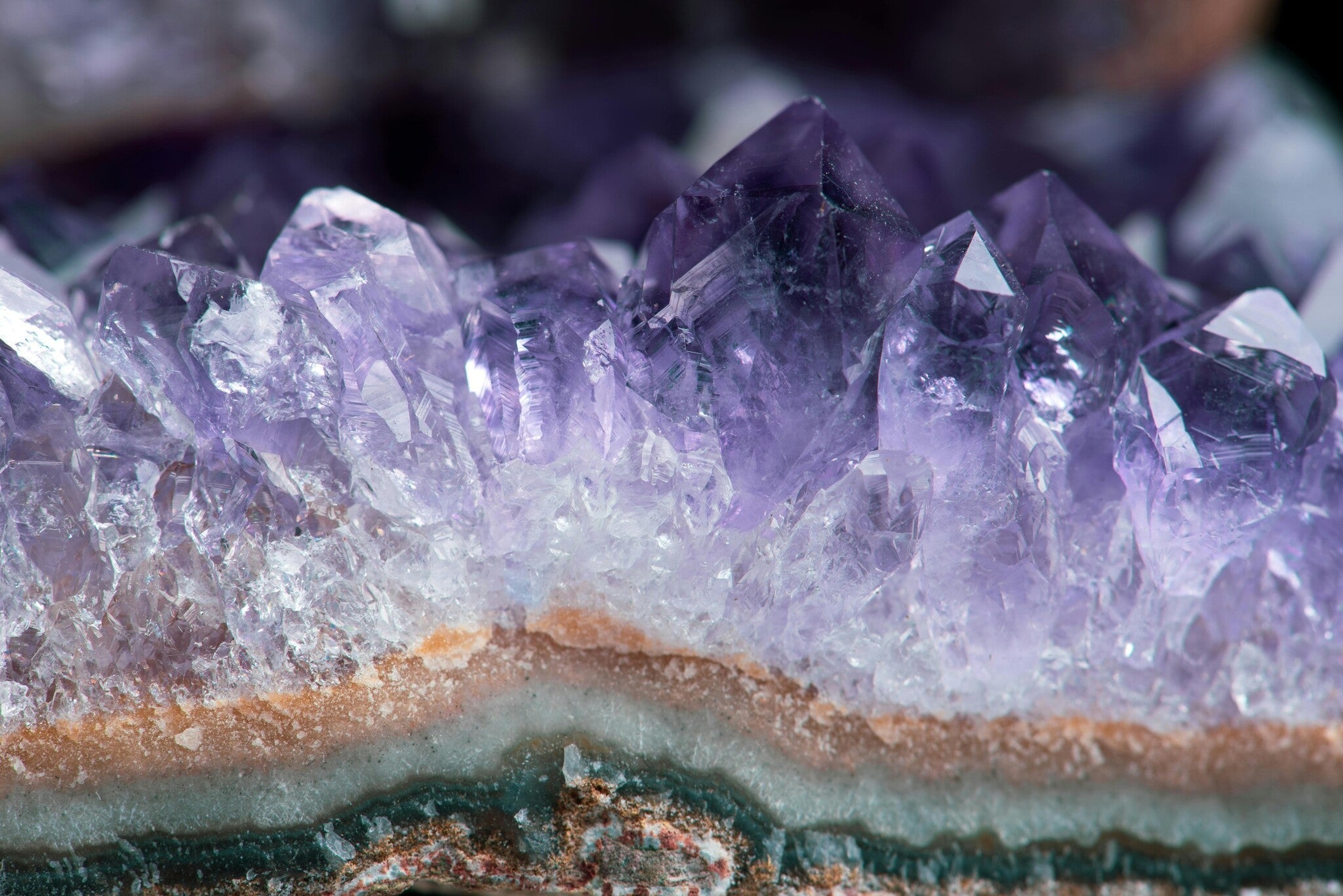
Emerald is a form of beryl mineral. The chemical composition is officially called aluminum-beryllium-silicate. You might also know aquamarine (blue in color). This too is a form of beryl mineral. Bixbite (red in color), heliodor (yellow in color), and morganite (pink in color) are slightly less known minerals from the same family. The Beryl family is also known as the mother of gemstones, because a wide variety of stones belong to this group. Most shades of green beryl are called emerald.
Natural emeralds have inclusions/imperfections in the form of small cracks. In many other gemstones, this would be seen as an imperfection, but with emerald, it's quite the opposite. Inclusions make the stones unique and distinctive, much like birthmarks make us unique.
Of course, there is a limit to the number of inclusions; the stone must be visibly smooth and clear to meet the requirements of high-quality gemstones. The most important factors for determining the value of emerald are therefore: purity of color, transparency, clarity, and brilliance (or brightness). Synthetically formed emeralds often lack inclusions. Such emeralds are actually too perfect and are therefore relatively less valued. The inclusions of emerald are also called jardin (translated from French: garden), because the inclusions are reminiscent of branches or plants in a garden.
Where Does the Name Emerald Come From?
The name emerald comes from the Latin word smaragdus. In Greek, smaragdos means green gemstone. Smaragein translated from Greek means to thunder or storm. The inclusions indicate lightning; so emerald is a real firecracker! In Arabic, achmardi means greenish and in Hebrew, bârekét means shining stone. These translations could also be the origins of the beautiful, green gemstone.
Emerald Locality
Colombia is the main locality. Emeralds have been mined here for centuries in the world-famous Muzo mine, just north of Colombia's capital Bogotá. Most emeralds from this mine are "Muzo green". This color is characteristic of the mine, hence the name. Other important localities are in Egypt and Russia, although most sources there have now been exhausted. Furthermore, emerald is mined in Australia, Brazil, Canada, India, Madagascar, Tanzania, Zambia, and Zimbabwe.
Trapiche Emerald: A Rare Phenomenon
TRAPICHE EMERALD: A RARE PHENOMENON
A very rare type of emerald is the trapiche emerald. And no, this is not a typo ;). Just Google it! The beryl mineral from which this special stone crystallizes in a hexagonal shape (six corners). When these corners are visible in the stone, we speak of the extremely rare sector zoning. This is almost never found in stones and certainly not in set Jewellery, but if it does occur, it is highly likely that these stones come from Colombia or Brazil. The inclusions that indicate these sectors can be black or white and create a very special gemstone. In addition, there is the specific emerald cut. This is a special way of cutting that brings out the best in the emerald. The emerald cut is recognizable by its smooth rectangular cut, with cut-off corners. The shape symbolizes an open heart. The emerald cut is often seen in crown jewels.
Famous Emerald Enthusiasts
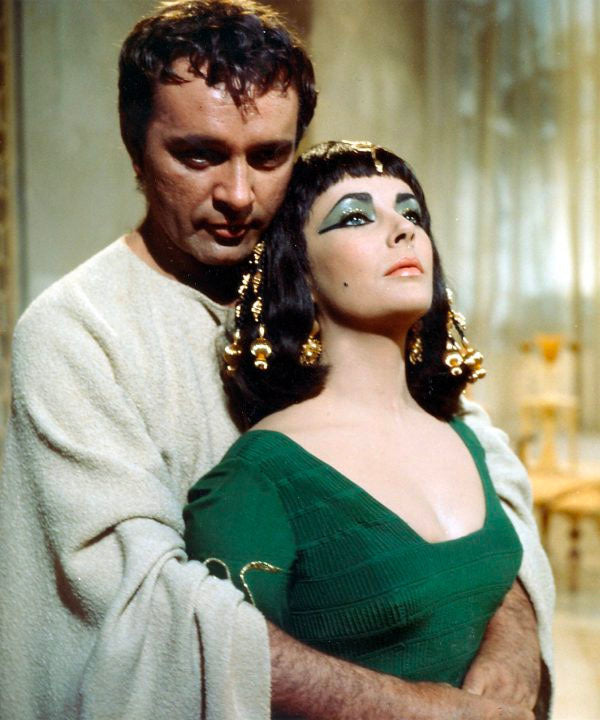
Cleopatra, in her time (she was born in 69 BC), was already completely captivated by the magical green gemstone. Cleopatra loved the beauty of emerald so much that she claimed all the emerald mines in Egypt. This way, she didn't have to share the winnings with anyone.
A few centuries later, the ancient Romans declared emerald the birthstone of their goddess Venus: the goddess of love and beauty. Influential women of our time also appreciate emerald. Queen Elizabeth, Princess Diana, and our own Queen Máxima have (or have had) small collections of Jewellery incorporating the green gemstone. In 1845, Queen Victoria received an emerald tiara from her husband Prince Albert. The tiara also included earrings, a brooch, and a bracelet. Victoria had herself immortalized several times in paintings while wearing these jewels. Later, her granddaughter Victoria also wore the jewels, and today the set can be admired in an exhibition at Kensington Palace.
Lady Di made a fashion statement with her emerald necklace. The piece of Jewellery, which originally belonged to Queen Mary, Diana wore not as a necklace, but as a diadem. The necklace had belonged to Queen Elizabeth II in between. She gave the piece to Diana as a wedding gift, after which no one ever wore it again.
Queen Máxima currently owns an emerald parure, consisting of a tiara, a necklace, earrings, and a brooch. The emeralds once belonged to Wilhelmina of Prussia. Queen Emma then gave the set as a gift to her daughter Wilhelmina. Today, our queen proudly wears the set!
Spiritual Emerald
For over four thousand years, emerald has been revered for its beauty and its associated healing powers. The gemstone symbolizes power and immortality. Rejuvenation and eternal youth are also symbolized. Because of this symbolism, emerald is not only used in Jewellery. In the past, emeralds also served as home accessories, to exude status. The birthstone of May has a special connection with the zodiac signs: Taurus, Cancer, Aquarius, Sagittarius, and Scorpio. Emerald also has a healing effect. For example, the stone reduces eye ailments, probably because emerald is linked to clairvoyance. Furthermore, emerald helps with epileptic seizures and insomnia.
Emerald gemstones owe these special powers to their unique green color. With rubies, for example, the color is indicated by comparing it to an animal or an object (pigeon's blood red). The color of emerald is so unique that this shade of green can be referred to as "emerald green".