
Victorian: Social Change and Artistic Flourishing
To truly appreciate the world of Victorian Jewellery, it's important to understand the rich history behind this magnificent era. This period was known for its unprecedented social, political, and industrial changes. These changes profoundly impacted the Jewellery and fashion industries of the time.
A time of contrasts
The Victorian Era lasted from 1837 to 1901. During this period, Queen Victoria ruled the United Kingdom. It was a time of extreme contrasts, with the Industrial Revolution leading to enormous economic growth and technological advancement. However, this era was also known for severe social inequality and poverty, making it a difficult time for everyone. Art and culture flourished during this period in response to the changing society. Romanticism, morality, and patriotism were central to Victorian society. This was reflected in all aspects of daily life, including fashion and Jewellery.
Influence on Jewellery production
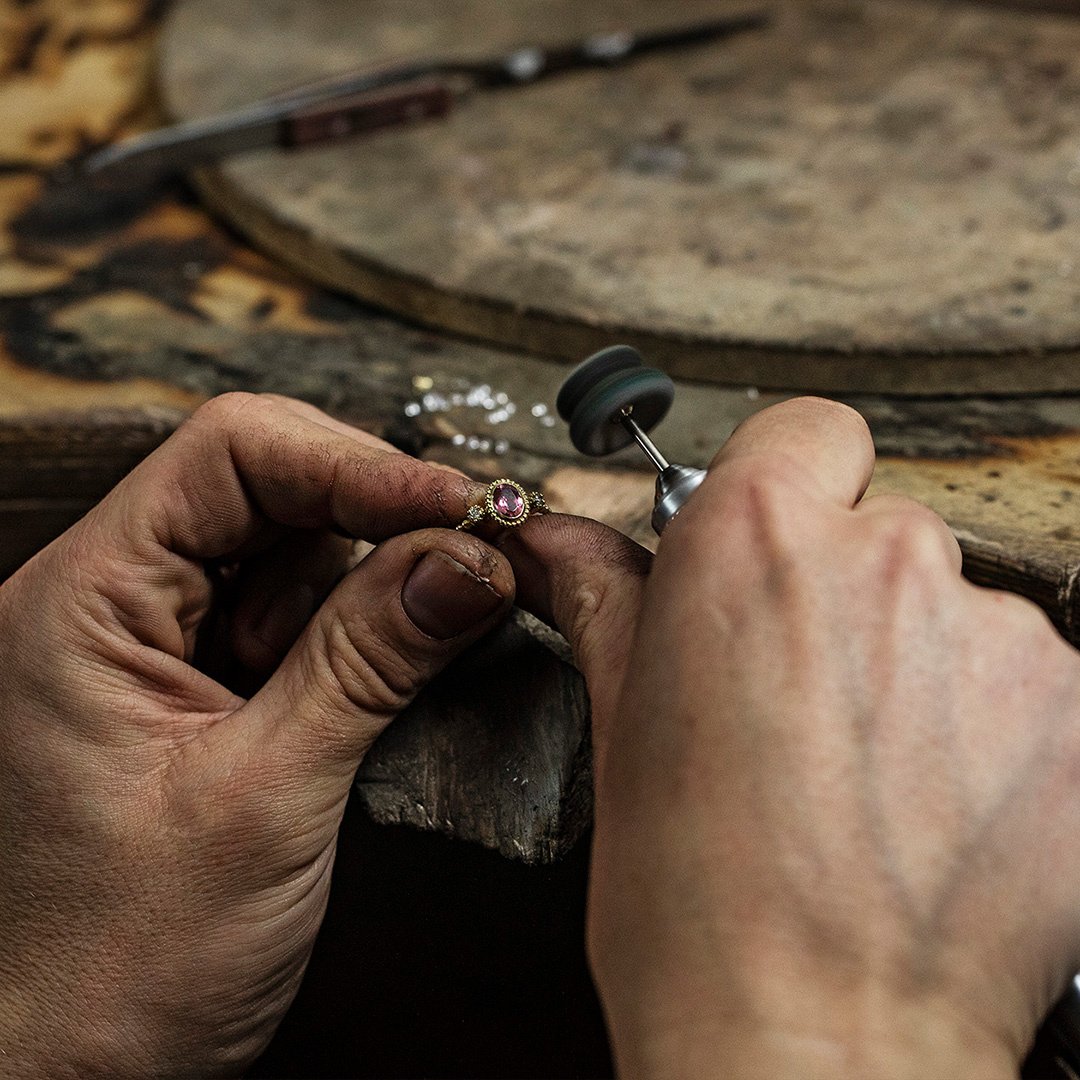
The Victorian era saw a great deal of creativity and innovation in Jewellery production and design. This was due in part to the emergence of new technologies and production methods, such as the introduction of electricity and mechanization. These techniques enabled the creation of complex and detailed designs with unprecedented precision and craftsmanship. Moreover, jewelers of this era were strongly influenced by various social and cultural developments of their time. Motifs often had romantic and sentimental themes. For example, Jewellery depicting symbols of love, friendship, and mourning was very popular.
Techniques and materials
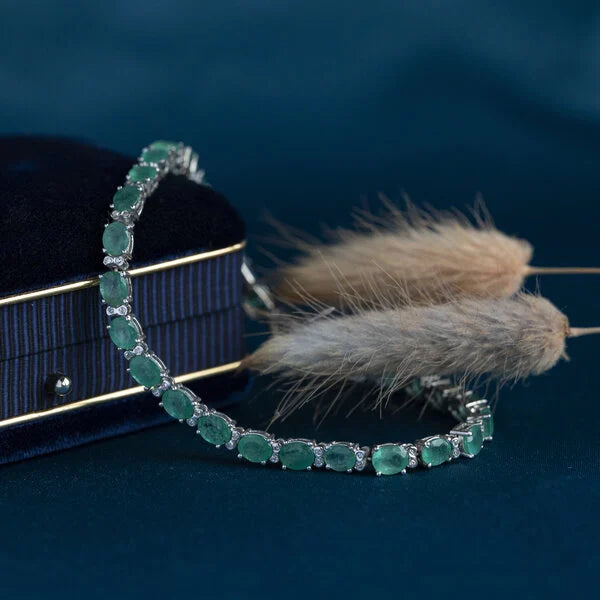
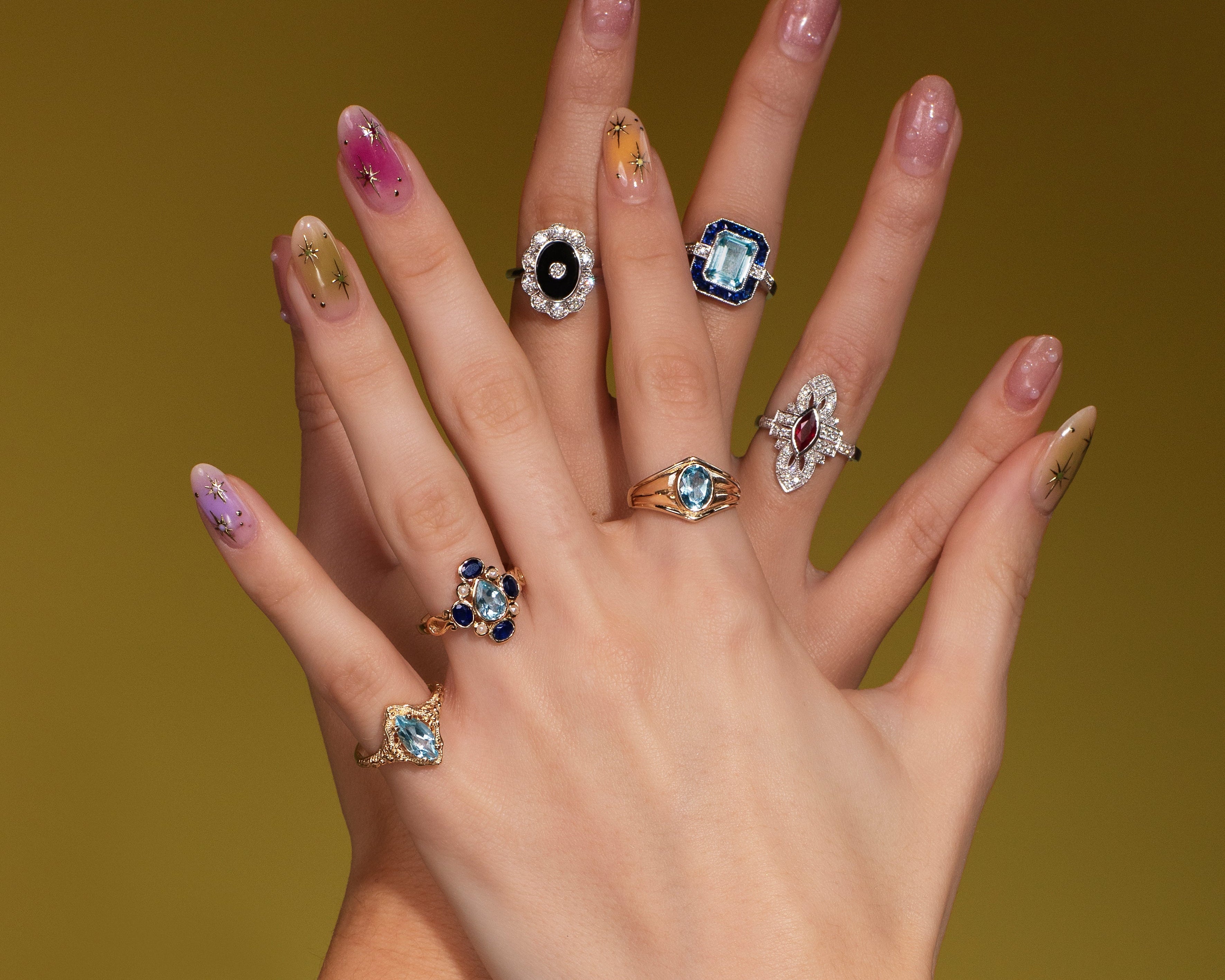
These Victorian Jewellery pieces were crafted using a wide variety of techniques and materials, giving each piece its own unique characteristics and exquisite beauty. Traditional precious metals like gold, platinum, and silver were used, and these were highly sought after for their durability and aesthetic appeal. A wide variety of gemstones were also used in these pieces, with diamonds, emeralds, sapphires, opals, and pearls being particularly popular. These gemstones could truly give Jewellery an extra romantic touch.
Style evolution through the Victorian period
During this period, Jewellery underwent several evolutions in style and design, and these changes were closely linked to the social and cultural trends of the time. For example, the Victorian period was initially characterized by delicate and refined designs, often adorned with floral motifs, pearls, and filigree. But as the period progressed, new styles and trends emerged in Jewellery, including the influence of the Gothic Revival movement and the rise of sentimental and symbolic Jewellery. Gothic motifs such as crosses, chains, and ornaments with Gothic arches and spires became increasingly popular. And sentimental Jewellery, such as love knots and mourning Jewellery, acquired increasingly profound emotional meaning.
The Heritage of Victorian Jewellery
To this day, Victorian Jewellery is considered a treasured heirloom. It captures the beauty, elegance, and opulence of this era. These beautiful works of art are tangible reminders of an era of romance, refinement, and social change. Wearing Victorian Jewellery can help you accentuate your personal style while also connecting with the past and the rich history of Jewellery making. Whether it's an elegant pendant worn for special occasions or an antique brooch cherished as a precious heirloom, Victorian Jewellery remains a timeless reminder of a bygone era of beauty and romance.
Queen Elizabeth ||
Queen Elizabeth II was known for her impressive Jewellery collection. Besides possessing a wealth of Jewellery, she also adored Victorian pieces. As one of the world's most iconic and longest-reigning monarchs, she regularly wore Victorian Jewellery for important occasions during her long reign, including state banquets, official receptions, and royal ceremonies.
Her collection includes several tiaras, necklaces , brooches, and earrings dating back to the Victorian era. These pieces are priceless not only for their historical significance and craftsmanship, but also for the symbolism and prestige they represent as part of the royal heirlooms. Her elegant and timeless style, combined with the splendor of Victorian Jewellery, contributes to her status as one of the world's most admired and respected leaders.
Let's summarize all the characteristics of Victorian Jewellery
- Exquisite craftsmanship: Victorian Jewellery is characterized by its exquisite craftsmanship, with delicate details and carefully executed designs.
- Use of precious metals: Gold, silver and platinum were widely used in Victorian Jewellery making because of their durability.
- Gemstones and pearls: Victorian Jewellery often featured a variety of gemstones and pearls. Various gemstones were used, such as diamonds , sapphires , rubies , emeralds , and opals . These were primarily chosen for their beauty and symbolic meaning.
- Symbolic motifs: Jewellery from this era is often adorned with symbolic motifs such as flowers, hearts, crosses, snakes, and chains. These motifs had deep emotional meaning and often conveyed a message.
- Cameos and Intaglios: These techniques were very popular at the time for engraving portraits into rings or pendants.
- Sentimental value: Victorian Jewellery was often cherished as emotional keepsakes and heirlooms, passed down through generations because of its sentimental value.
Summary
Victorian Jewellery, characteristic of the Victorian era (1837-1901), embraces refined craftsmanship, precious metals and gemstones, symbolic motifs, romanticism, and Gothic influences. With their delicate details and emotional significance, they are cherished heirlooms. These jewels bear the hallmarks of a time of contrasts, cultural flourishes, and deeply rooted values, remaining a timeless reminder of a bygone era of elegance and romance.