
Ruby: the stone of passion, love and vitality
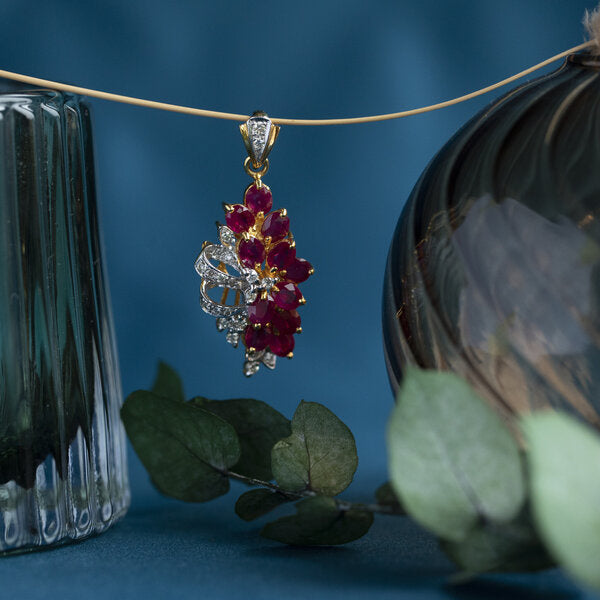
Ruby has a bright red color, and for centuries, it has been prized as a gemstone worldwide. In ancient times, the ruby was considered the king of gemstones and a symbol of power and fortune. The name "ruby" comes from the Latin, "ruber" meaning red. Its bright red color is the reason the ruby gets its name. For many years, the gemstone has been highly prized by wealthy individuals, including kings and noblemen.
In the Middle Ages, people believed rubies had protective powers. They were believed to protect people from disease, bad luck, and even poison. Furthermore, rubies were often associated with love and passion, making them a popular choice for engagement and wedding rings.
Properties of ruby
Rubies belong to the corundum family, the same family as sapphires. Chromium is present, which gives them their characteristic red color. The ruby's hardness is 9 on the Mohs scale, making it one of the hardest gemstones after diamonds. This makes rubies particularly suitable for everyday use in Jewellery.
Rubies can come in various shades of red, ranging from pink to deep red. The most prized color is so-called "devil's blood red," an intense, bright red with a hint of blue. This ruby is primarily found in Myanmar, formerly Burma.
Besides color and hardness, a ruby's value is also determined by its clarity and the presence of inclusions. While inclusions are often considered imperfections, they can also contribute to a stone's unique charm and even reveal its provenance.
Rubies in vintage Jewellery
Vintage Jewellery set with rubies is often a powerful work of art, steeped in history and craftsmanship. The designs can vary widely, from subtle elegance to striking and bold. Here are some popular styles featuring rubies:
- Art Deco Jewellery: This period spanned from approximately 1920 to 1930 and is known for its geometric patterns and contrasting colors. Art Deco Jewellery often used rubies combined with diamonds and onyx to create striking designs. Think of beautiful bracelets , earrings , and rings that embody the glamorous and daring aesthetic of the roaring twenties.
- Victorian Jewellery: This period lasted from approximately 1837 to 1901 and is known for its romantic and symbolic designs. Hearts, snakes, and flowers were popular motifs, often inlaid with rubies to symbolize passion and love. These pieces have a delicate, refined look that is still highly sought after by collectors.
- Edwardian Jewellery: This period spanned from approximately 1901 to 1910 and is known for its ornate and detailed designs. Rubies were combined with diamonds and pearls, giving the Jewellery a regal and elegant appearance. This period saw extensive filigree work and intricately carved motifs.
- Retro Jewellery: This period spanned from approximately 1940 to 1950 and is known for the revival of colorful and bold designs. Rubies were often combined with gold in large, striking pieces, such as cocktail rings and statement earrings. These pieces exude a sense of glamour and confidence.
How do you care for ruby Jewellery?
To ensure your ruby Jewellery retains its color and shine, it's important to take good care of it. Here are some tips:
- Cleaning: Clean your ruby Jewellery regularly with a soft brush, warm water, and mild soap. Avoid harsh chemicals and ultrasonic cleaners, as these can damage the stone.
- Storage: Store ruby Jewellery separately from other Jewellery to prevent scratches. It's best to store it in a soft cloth bag or a lined Jewellery box.
- Maintenance: Have your ruby checked regularly by a professional jeweler to ensure the stones are securely set in their setting and to repair any wear to the setting.
Investing in vintage ruby Jewellery
Rubies are prized not only for their beauty but also for their value. Vintage rubies are also an excellent investment, as the value of this gemstone has often increased over the years. When investing in ruby Jewellery, it's important to consider the following:
- Origin: Rubies from certain regions, such as Myanmar, often have a higher value due to their superior color and quality.
- Certification: Make sure your ruby is certified by a reputable gemological laboratory. This guarantees the authenticity and quality of the stone.
- Condition: The condition of the Jewellery is crucial. Choose pieces that have been well-preserved and minimally restored to maintain their historical value.
Conclusion
Rubies in vintage Jewellery offer a beautiful combination of history, craftsmanship, and timeless beauty. Whether you're a collector, a lover of antique Jewellery, or looking for a unique and meaningful gift, a ruby piece will hold a special place. The rich red color and the ruby's symbolism make it a perfect choice for those who want to express passion, love, and elegance.
We hope our story about rubies has inspired you and ignited your love for ruby Jewellery. If you have any questions, please don't hesitate to contact us. We're ready to help you find the perfect piece that will capture your heart.