
Carnelian
Carnelian: A fiery gemstone
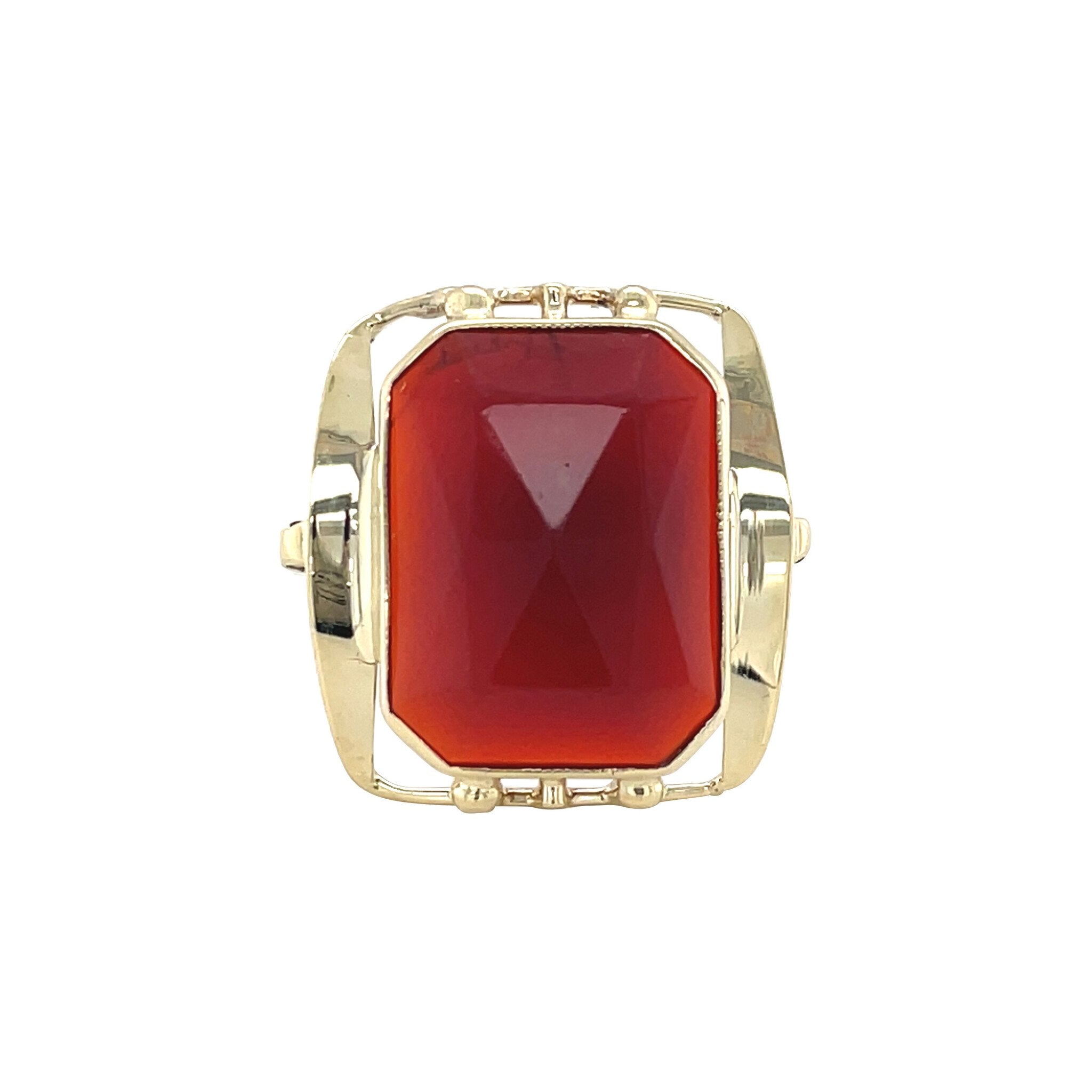
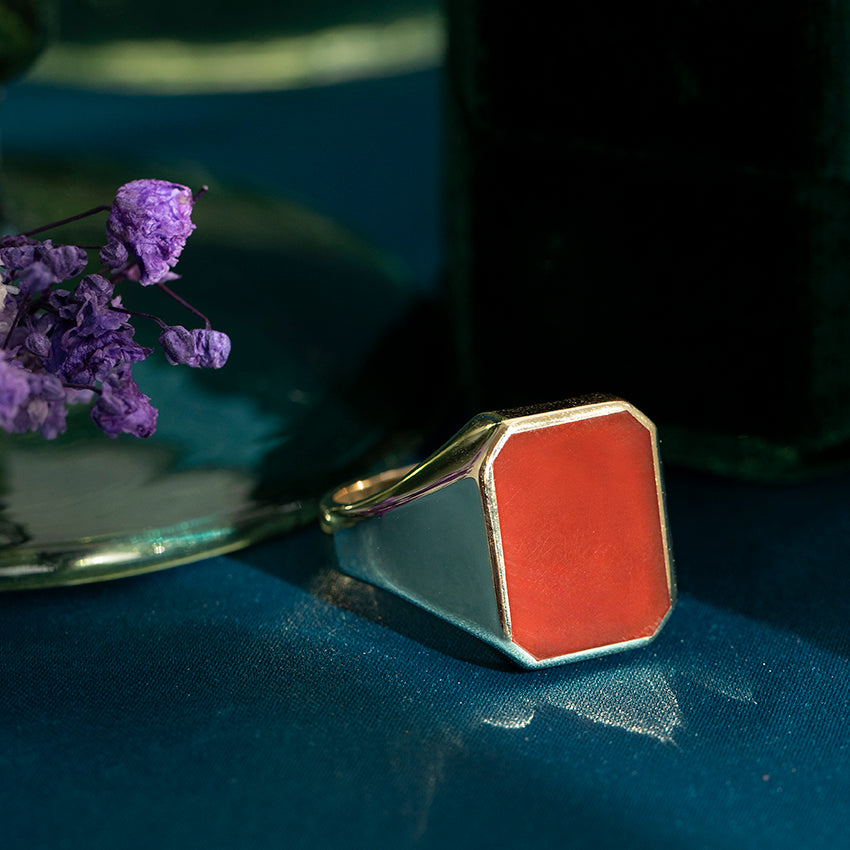
Carnelian is a variety of the mineral chalcedony, which occurs in many color variations, with carnelian ranging from light yellow to deep orange. Like onyx, the mineral also occurs in colored bands. Carnelian was one of the first gemstones worn by humans because it is relatively soft and therefore easy to work. Because the stone comes in so many different colors, it is a highly sought-after jewellery material.

Tutankhamun loved carnelian
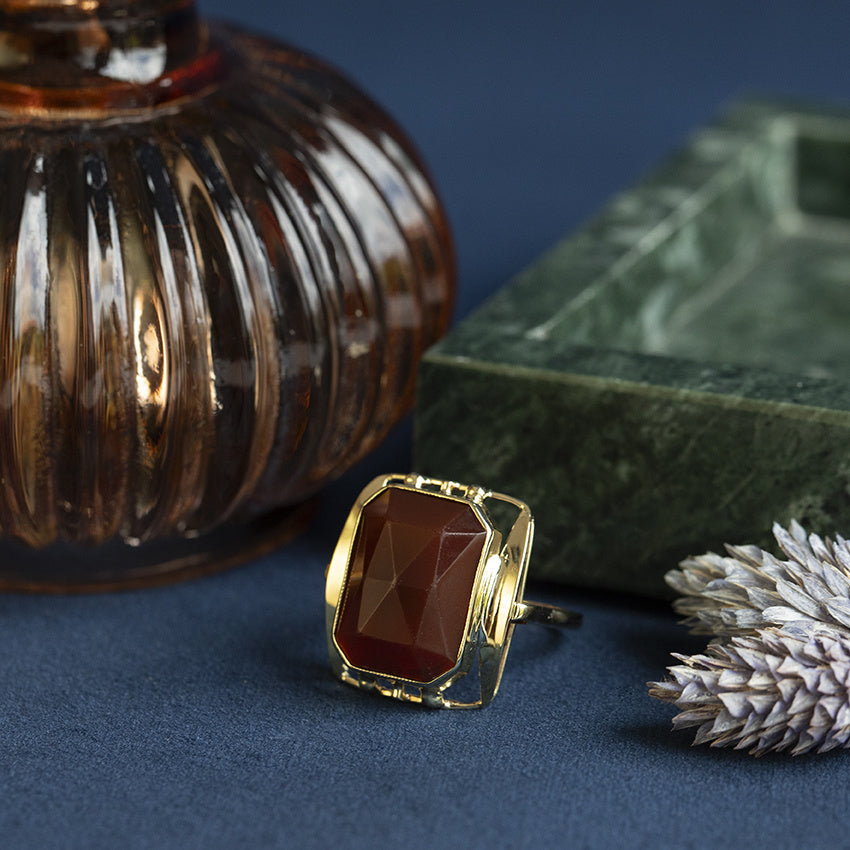
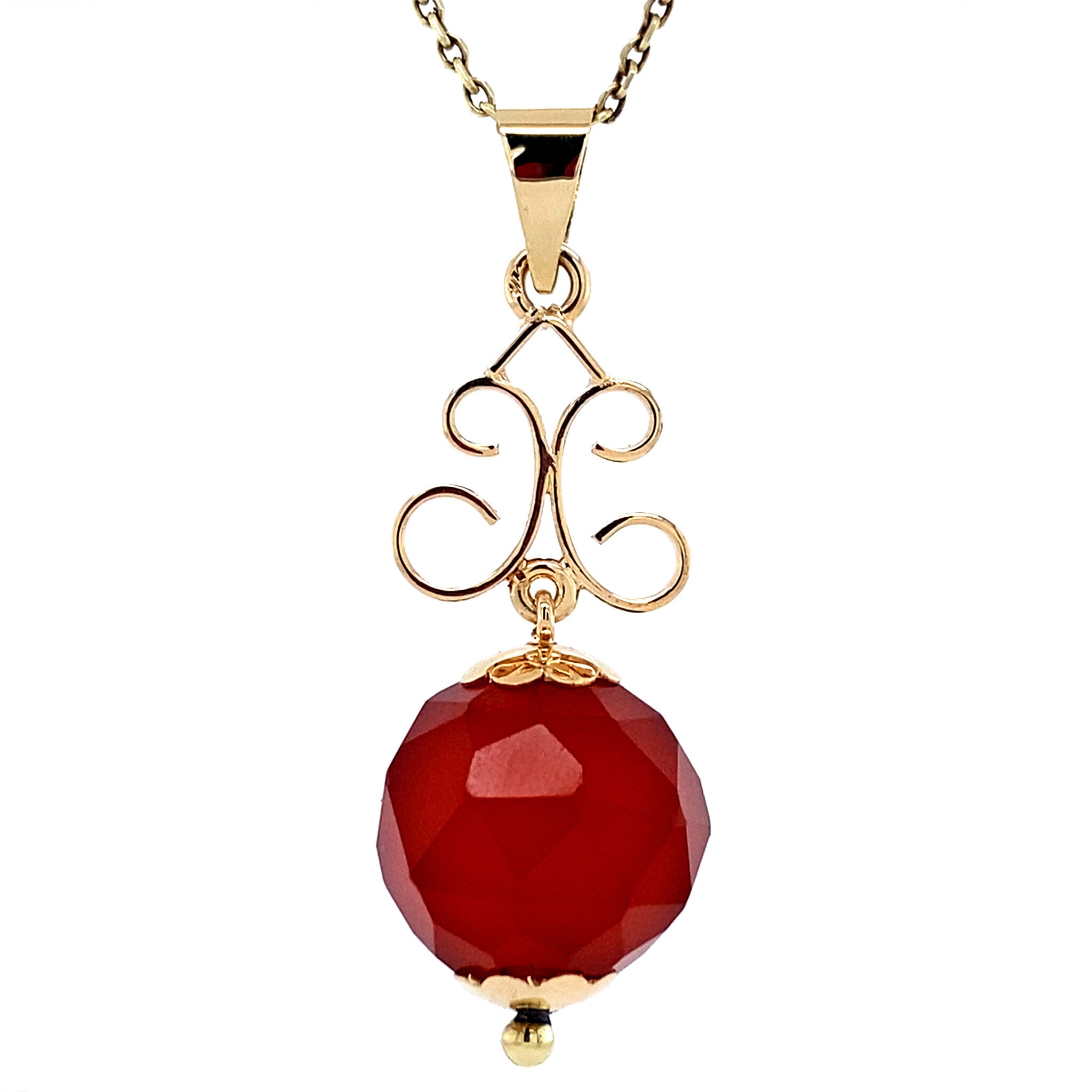
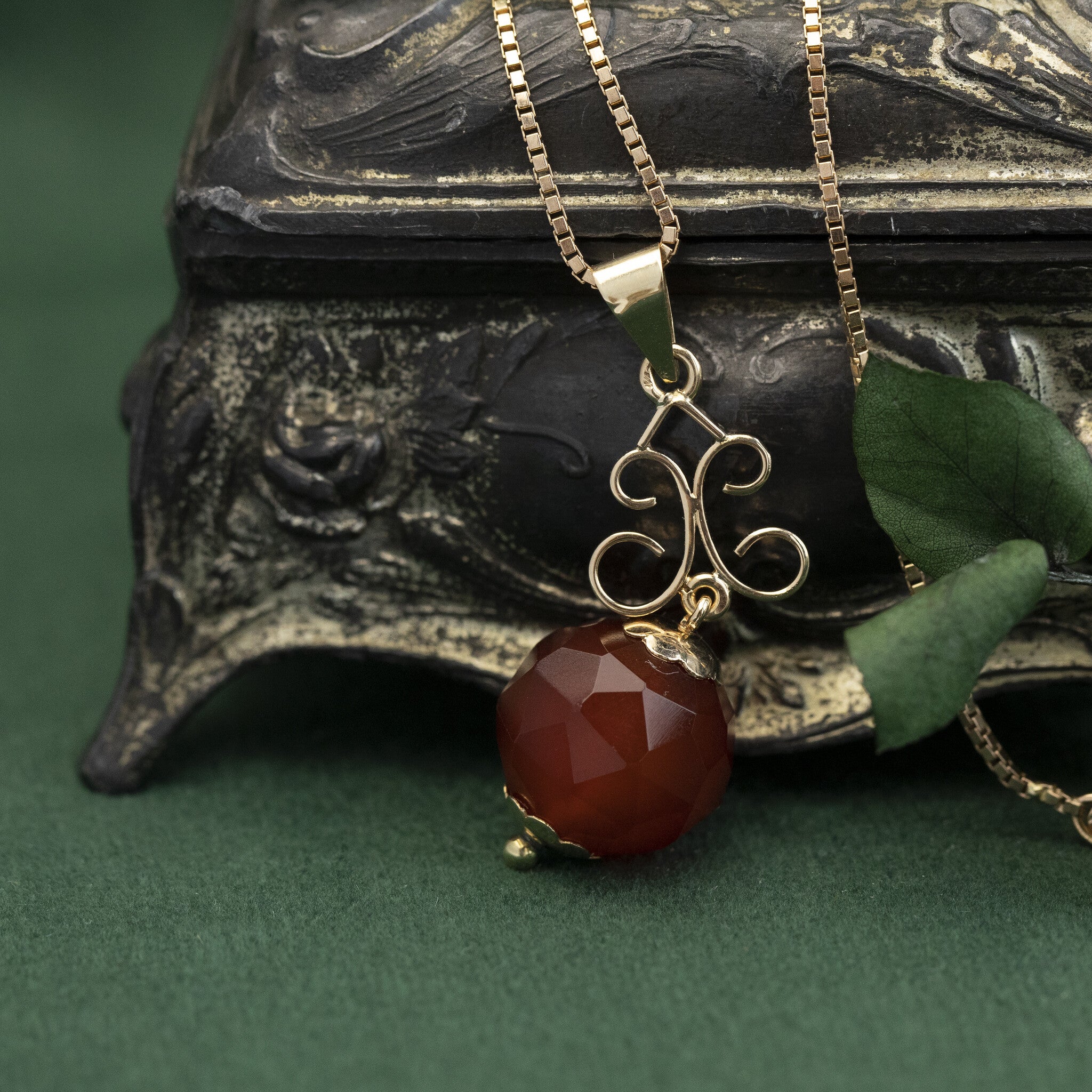
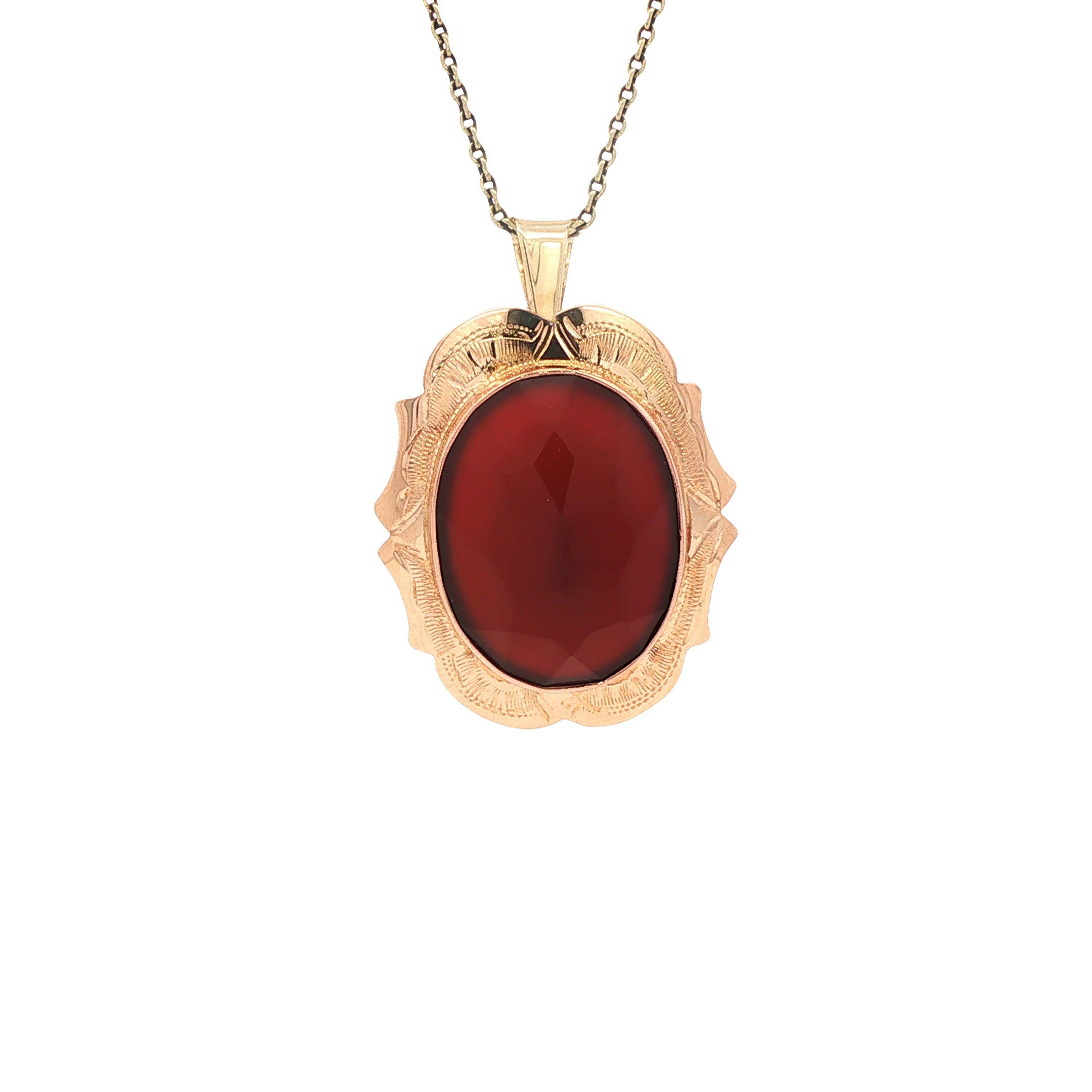
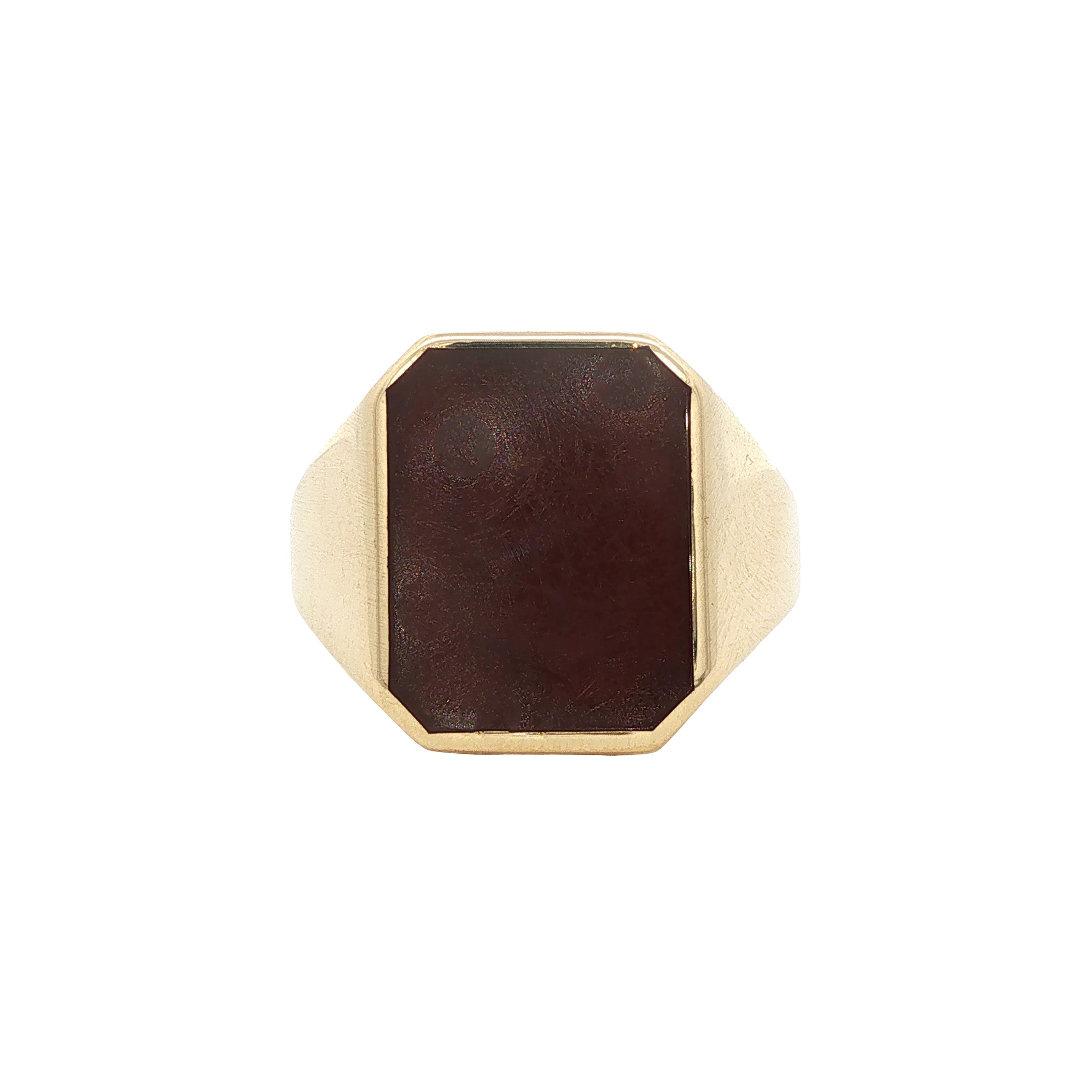
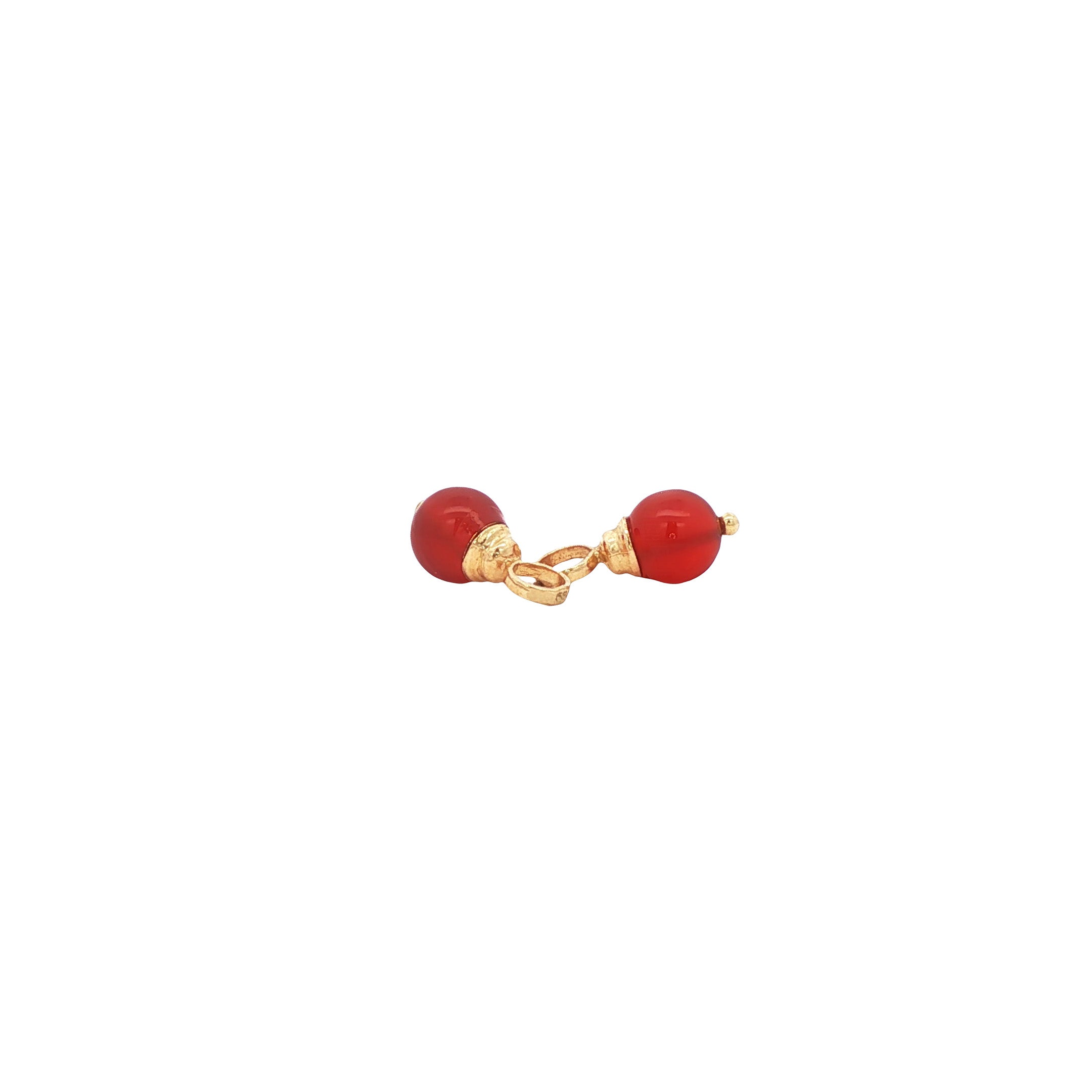
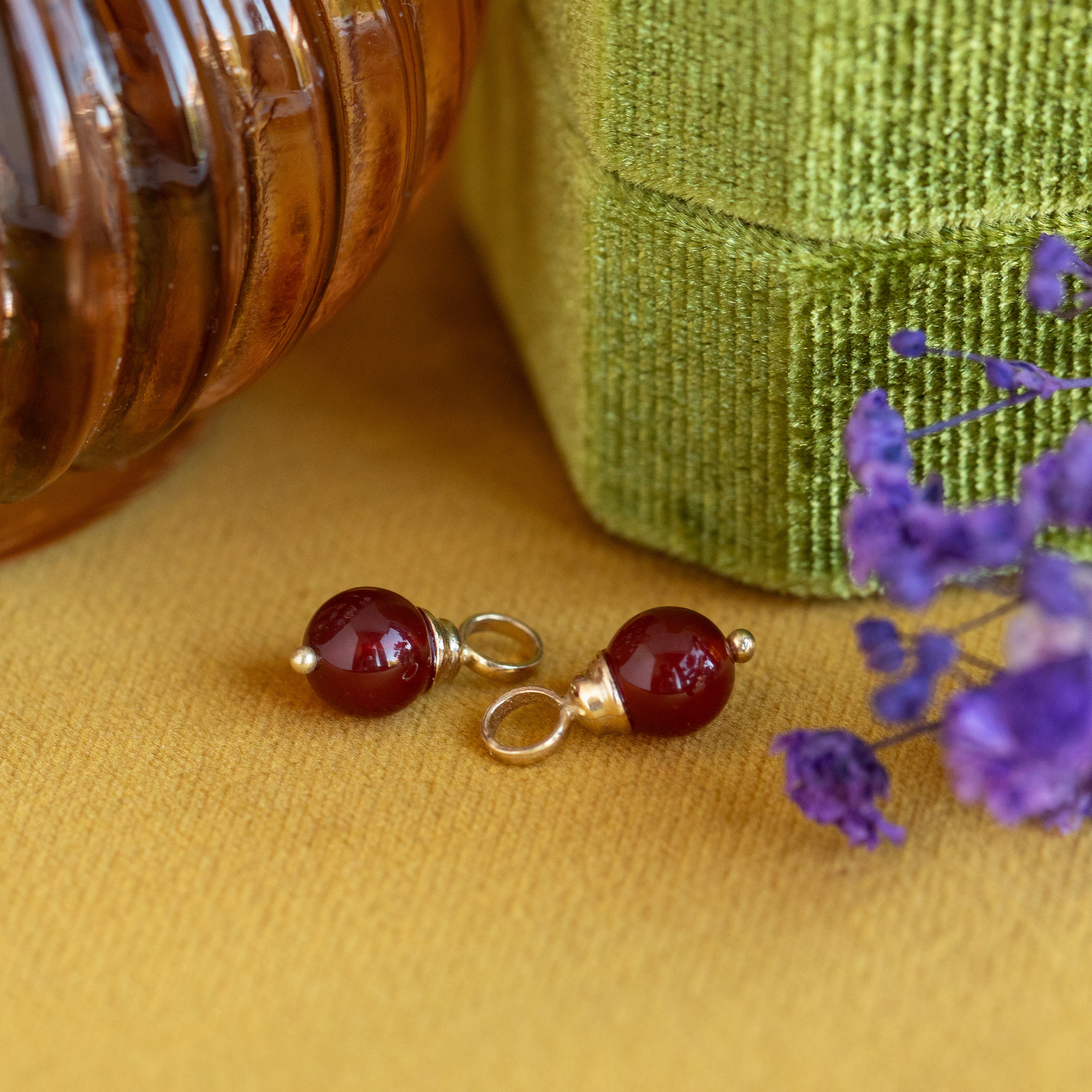
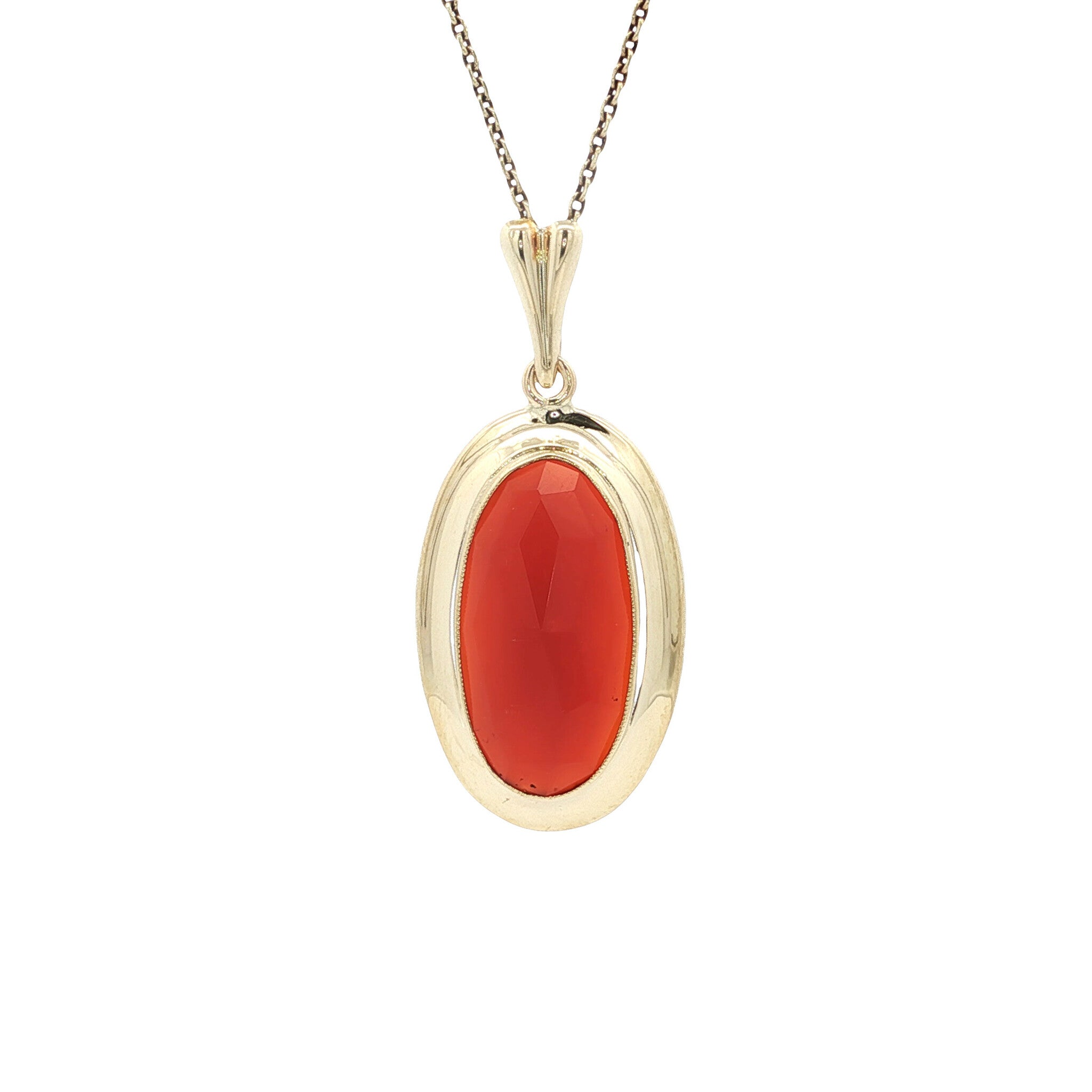
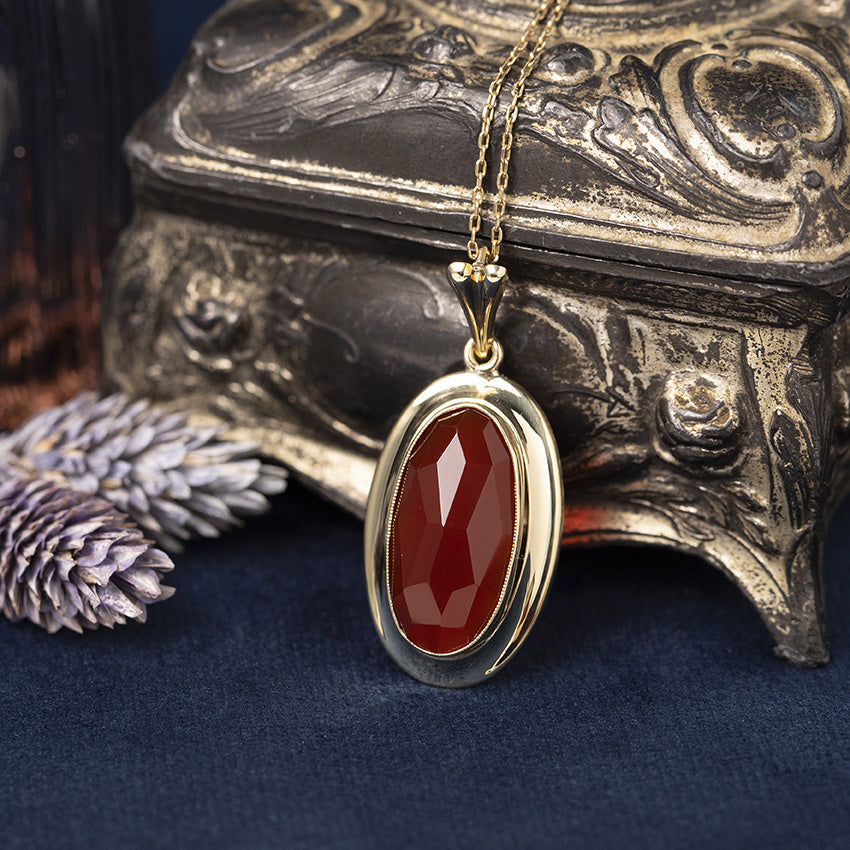
The use of carnelian in jewellery has a long history. More than 4,500 years ago, Egyptian artisans were already making jewellery set with this gemstone. The Egyptians believed the stone would protect souls in the afterlife: Pharaoh Tutankhamun, therefore, had several pieces of carnelian jewellery in his tomb. The ancient Romans and Greeks also valued the stone, using it for signet rings set with intaglio. An intaglio is an engraving technique in which a design is cut into a mineral, making it visible in the stone's lower layers. Carnelian's opaque color and relative softness make it very suitable for engraving. The word "carnelian" comes from the Latin word "carneus," meaning fleshy, a reference to the stone's color. In the Netherlands, carnelian was also very popular in regional jewellery in the 19th and early 20th centuries. Carnelian could be cut into relatively large, faceted beads, which were then worn with gold clasps. Carnelian was also often rose-cut—faceted on the top and flat on the bottom—and worn in rings, earrings, and brooches.
Soft and warm
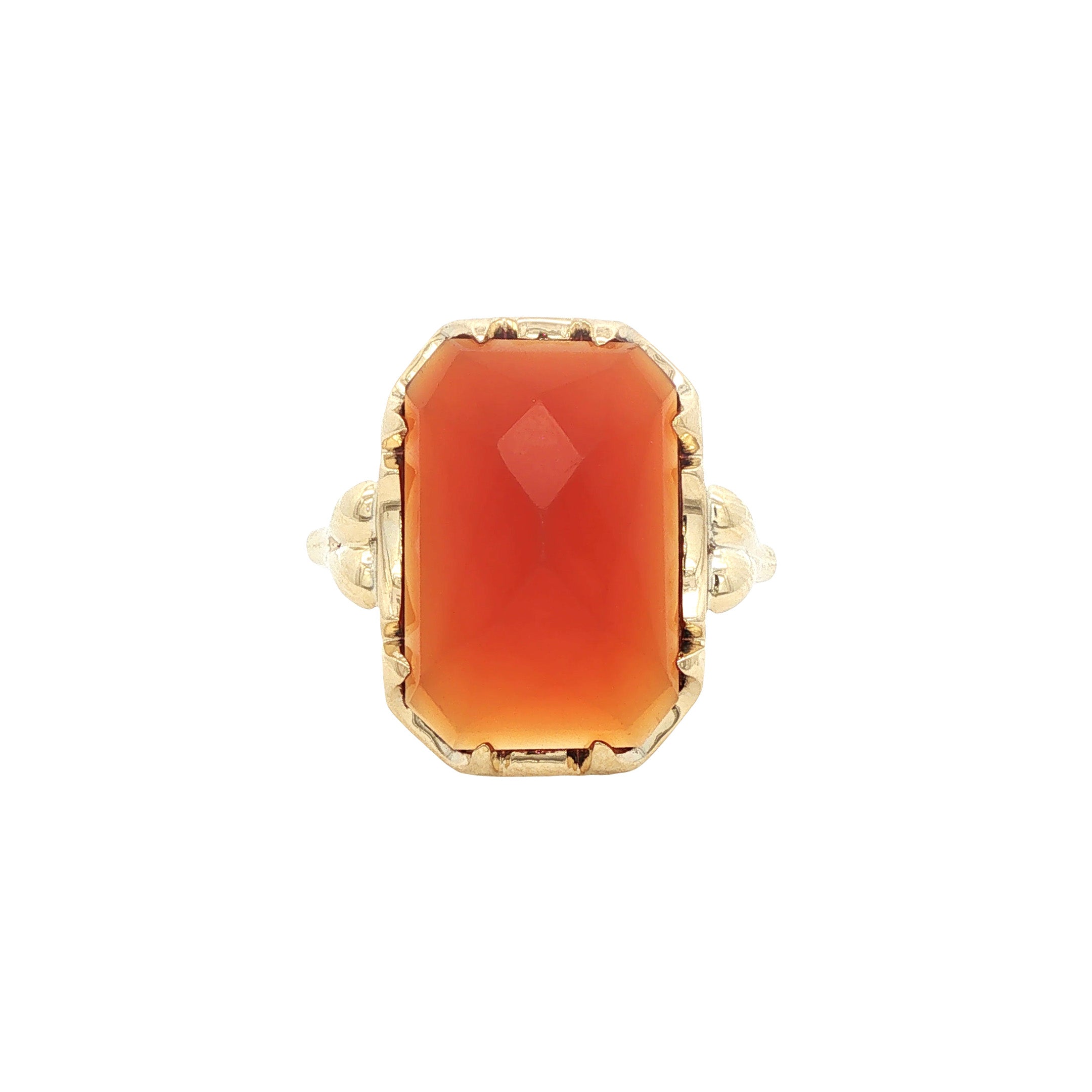
Carnelian can range in color from reddish orange to brownish yellow, orange, and even brown. The different shades of orange/red depend on the amount of iron oxide present in each stone. Carnelian can be uniform in color, but also occurs with banded layers: these stones are often used for carving cameos. Carnelian is a relatively soft stone, making it easy to cut into various shapes, and is transparent to slightly translucent.

Roots in Brazil and Uruguay
Because chalcedony is found worldwide, carnelian is a relatively inexpensive gemstone. Unlike many gemstones, carnelian is almost always opaque, and therefore the color primarily influences its quality. Because it is opaque, it is usually cut as a cabochon or rose cut, or used for beading and intaglio. The gemstone comes in various shades of yellow and orange, with deep orange being the most popular. Most carnelian found on the market today is treated chalcedony from Brazil or Uruguay, which has been heated to achieve the most popular color, an intense orange.
Maintenance
Carnelian is quite durable, but clean it carefully. Use lukewarm water and a soft cloth or brush. Avoid harsh cleaning agents and prolonged exposure to the sun.
Discover the most beautiful collection of vintage carnelian jewellery here .
Carnelian collection