

Chrysolite
Chrysolite: Stone of Light, Balance and Protection
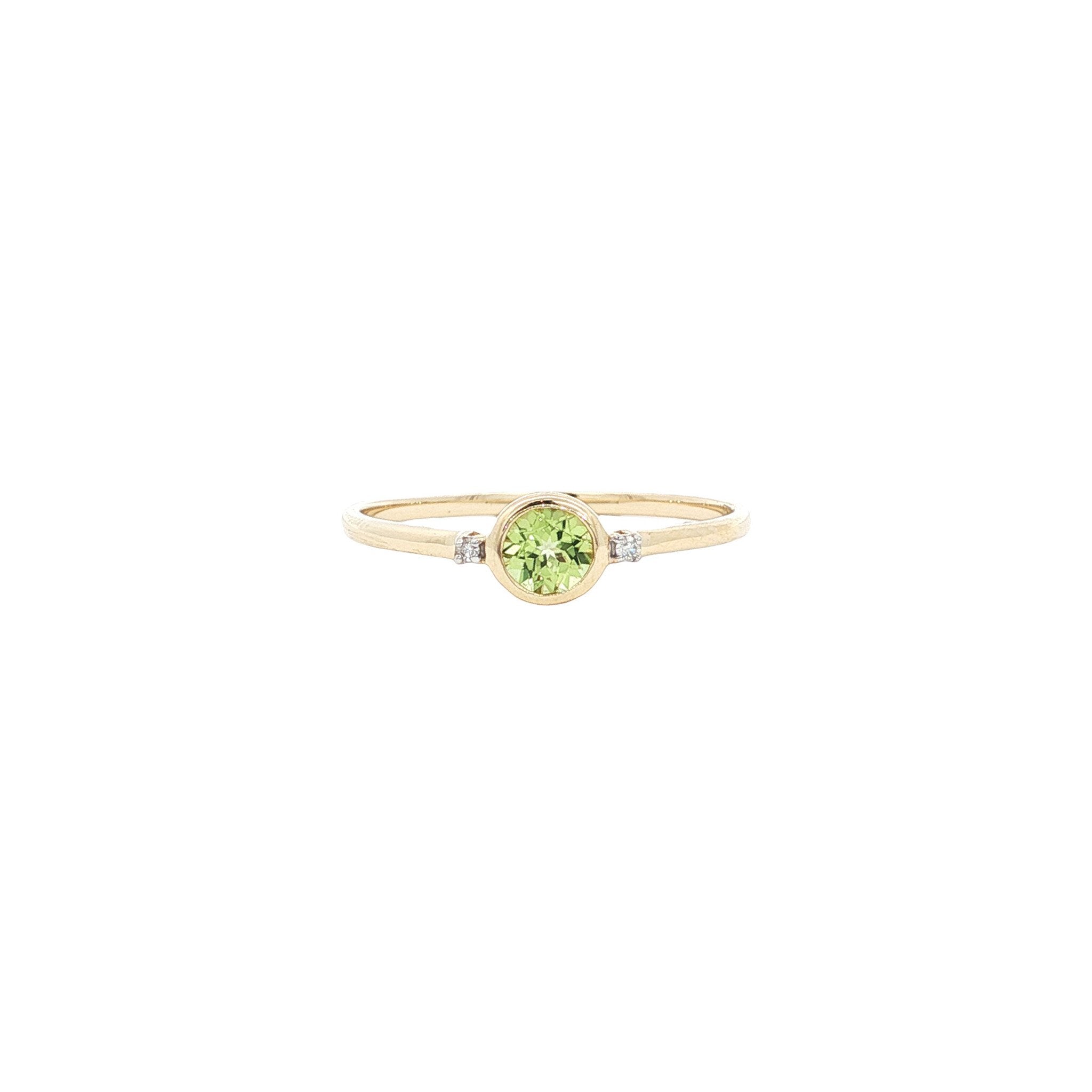
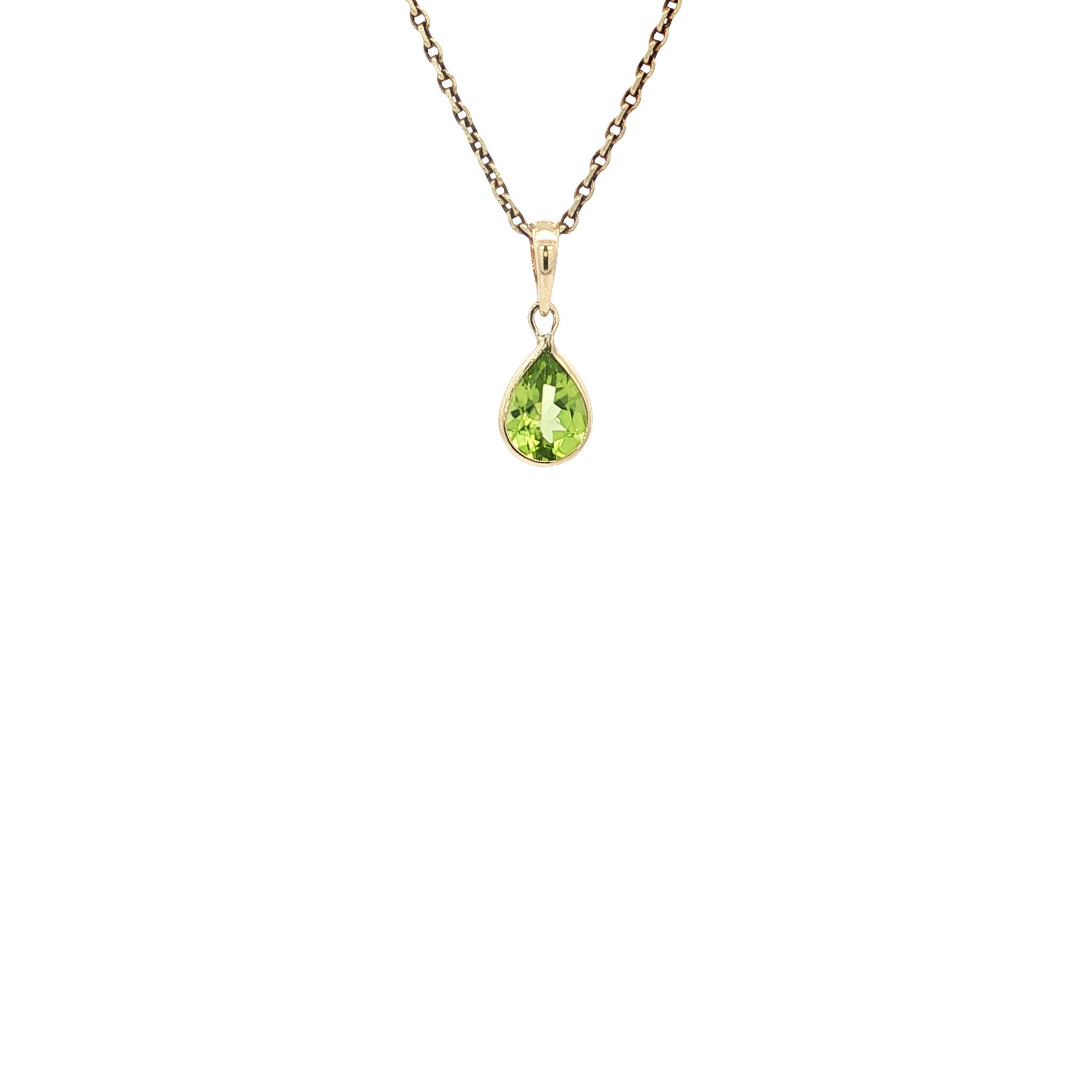
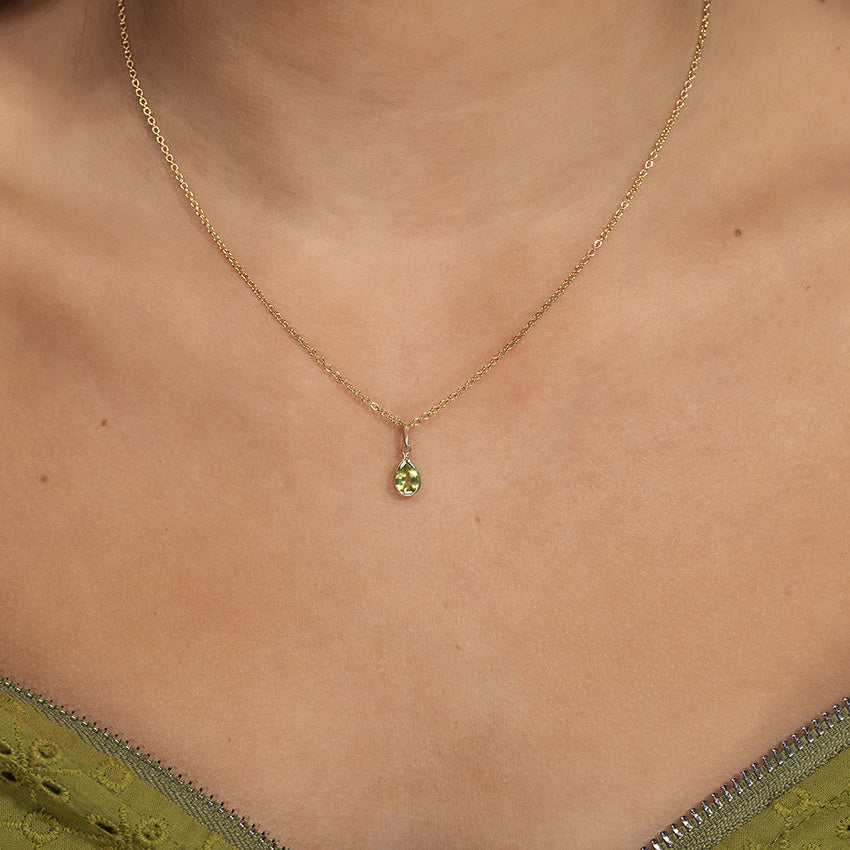
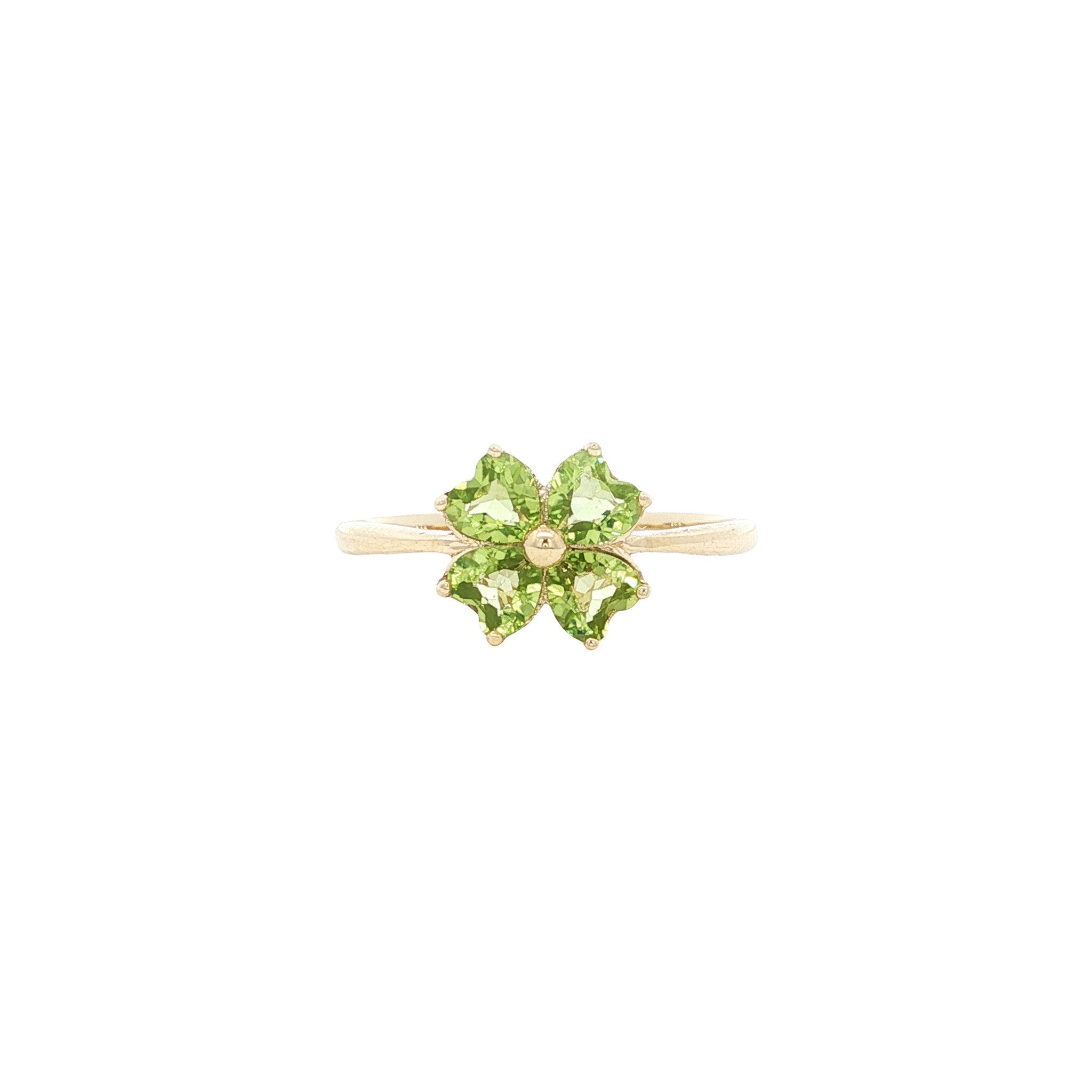
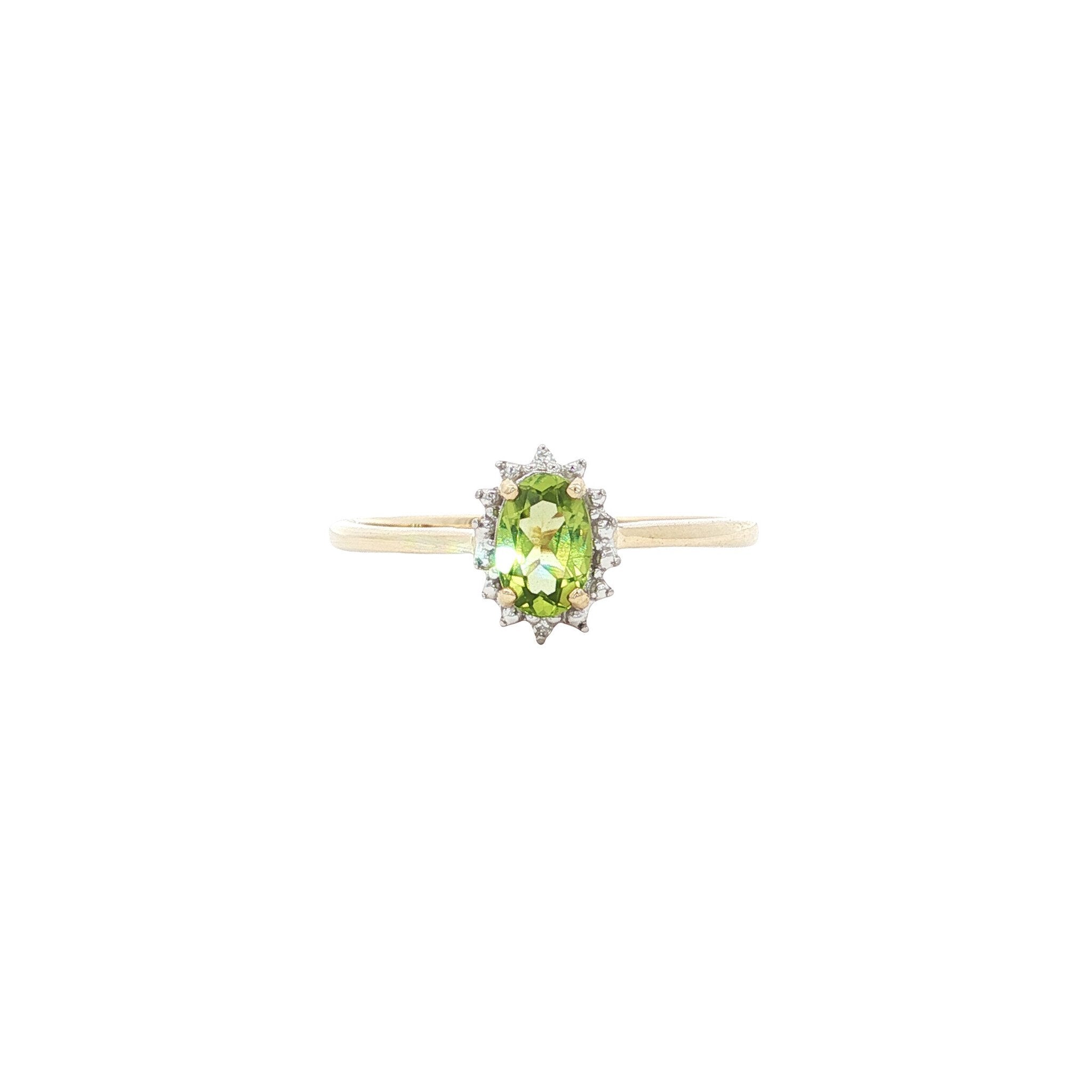
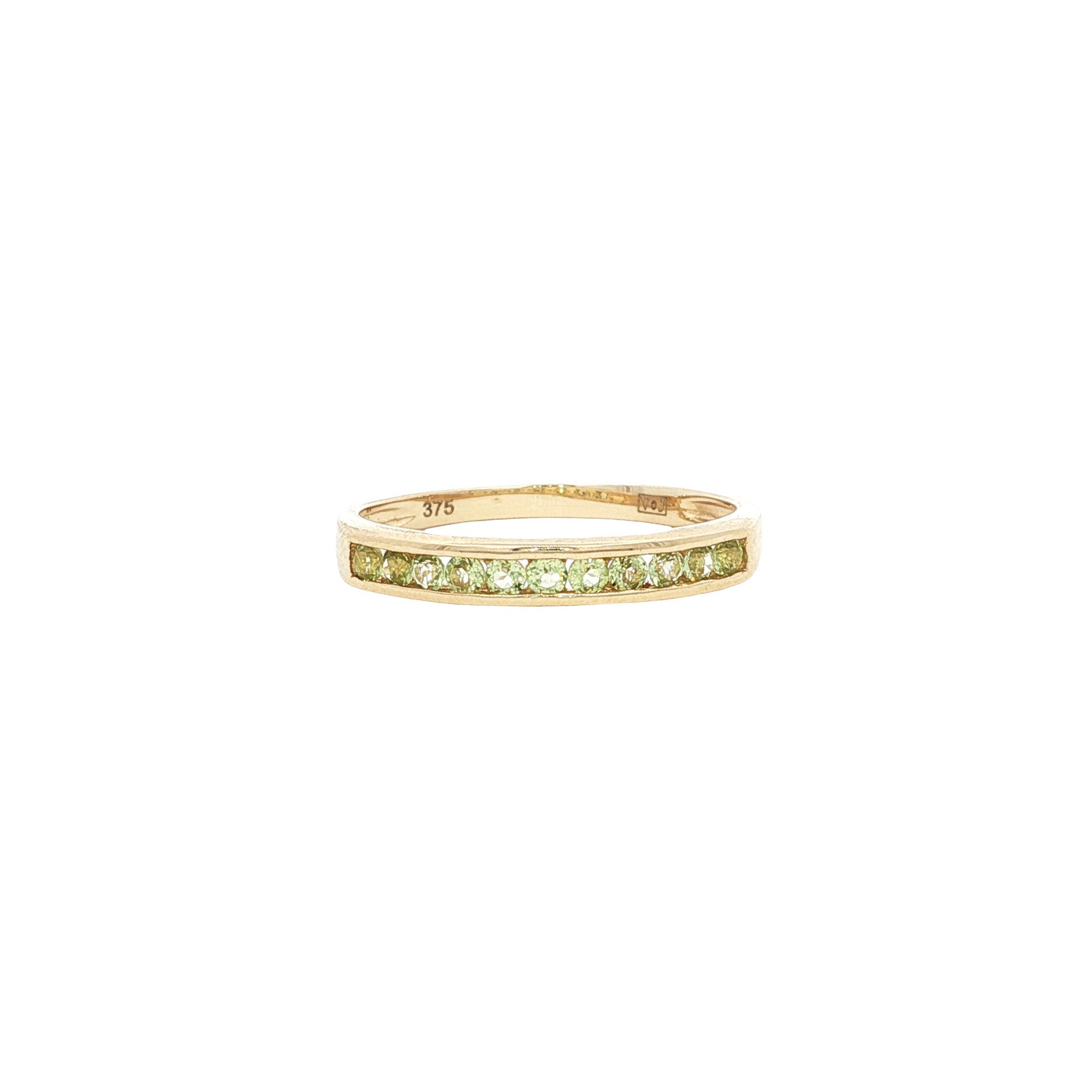
Chrysolite, also called Olivine or (green) Peridot, is a bright green gemstone that contributes to an optimistic outlook. It is also said to offer friendship and wisdom, and to encourage an independent, balanced attitude.

The power and its effect
How does chrysolite express this power and its effects? This radiant green gemstone is known to dispel negative influences and emotions. In doing so, it creates space for positive influences and a clear mind. An attitude free from judgment and annoyance, and with a strong sense of welcome.
The elimination of negativity can even have a physical effect on the wearer. Chrysolite can improve metabolism, detoxify the body, and may have a positive effect on the heart, kidneys, liver, and eyes. It can generally promote good coordination between the organs and help remove existing toxins and waste. So, a double detox, and ready for good things!
Shakespeare
In Shakespeare's work there is a reference to the green gemstone.
Had she been true,
If heaven would make me such another world of one entire and perfect Chrysolite.
I'd not have sold her for it. '
Othello 5,2,143
After murdering Desdemona, Othello makes a striking comparison between her supposed lost purity and the gemstone chrysolite.
What does it mean?
Opinions on this quote are divided. It seems as if Shakespeare was unaware of the value and power of chrysolite, perhaps because he never saw it. Others argue that he confused chrysolite with crystal, and actually meant crystal.
The strongest argument, however, is that chrysolite's powers are remarkably applicable to Desdemona and Othello. Shakespeare, and generally in his time, associated the stone with chastity. Furthermore, the green gemstone is described as exotic, with the ability to be welcomed by strangers, which would also apply to Othello. Finally, because of its bright, golden radiance, chrysolite symbolizes wisdom, charity, and dignity—characteristics that would apply to Desdemona.
So much for a bit of poetry and literature, for which Chrysolite apparently lends itself extremely well.

Back to basics
The meaning of the name chrysolite comes from the Greek word chrysolithus, which loosely translates to "golden stone." The gemstone was first used around 1500 BC. Ancient Egyptians mined chrysolite for decades on an island in the middle of the Red Sea. This uninhabited island, called Zabargad, still produces very high-quality chrysolite gemstones today. The difference from the past is that the stone is now also mined during the day, instead of only at night. The ancient Egyptians called chrysolite "stone of the sun." They believed that chrysolites "absorbed" sunlight during the day and released it again at night. Therefore, they mined chrysolites exclusively at night. And they were not alone in this belief. The Romans also believed that chrysolites radiated light and power at night and called them "evening emeralds."
Around the Middle Ages, chrysolite was shipped to Europe, where it was welcomed with open arms. The clear, luminous stone was seen as a beacon of light in the dark Middle Ages. People wore it as an amulet against evil and dark magic. It became a highly prized gemstone.
Gemstone quality olivine
Chrysolite forms in the Earth's mantle. This makes it the only other gemstone, next to diamond. All other gemstones are formed in the Earth's crust. Chrysolites, like diamonds, are formed under extremely high pressure and temperature. That's why it's also called Olivine of very high gemstone quality.
No one knows exactly how old chrysolite is. What we do know is that a meteorite studded with chrysolites was discovered in Siberia in 1749. The age of this "fallen star" was estimated at a whopping 14 million years old. These green gemstones have also been found on Mars and the moon.
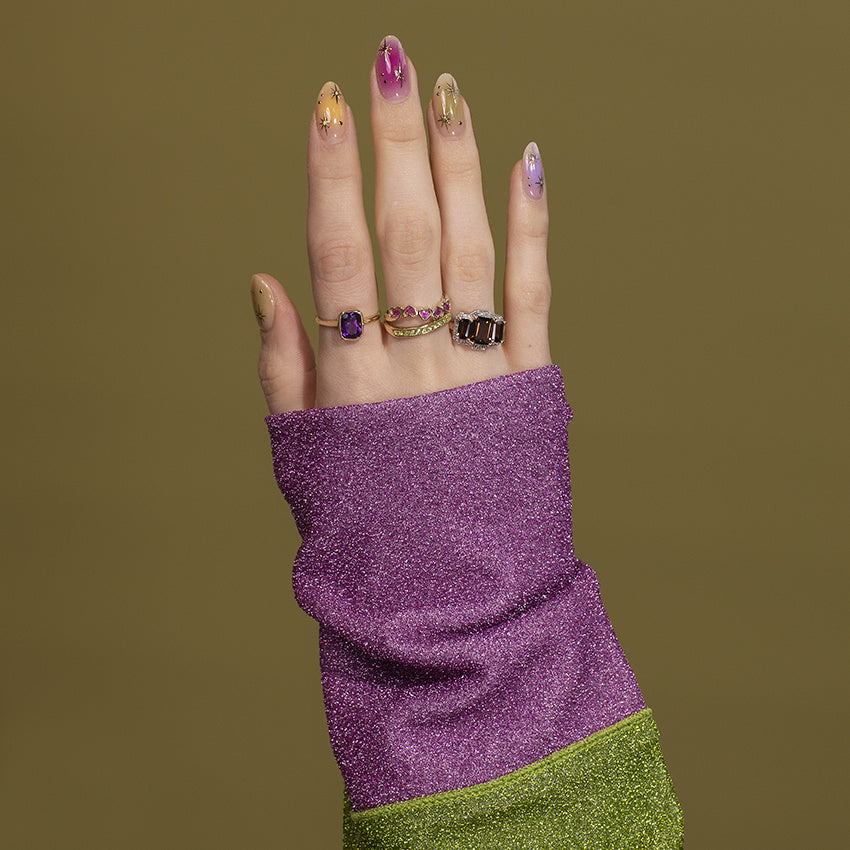
An otherworldly beautiful stone that still holds a huge fascination for people today. Our vintage jewellery collection also includes beautiful pieces set with chrysolite.
Maintenance
Chrysolite (also called peridot) is sensitive to scratches and heat. Clean with lukewarm water, mild soap, and a soft brush. Avoid ultrasonic cleaning or chemical agents.
Also discover the Vintage Jewellery Atelier collection, from which we create the Queen's ring with a bright green, synthetic chrysolite.
Chrysolite Collection