
Citrine
Citrine: Sunbeam of Joy and Energy
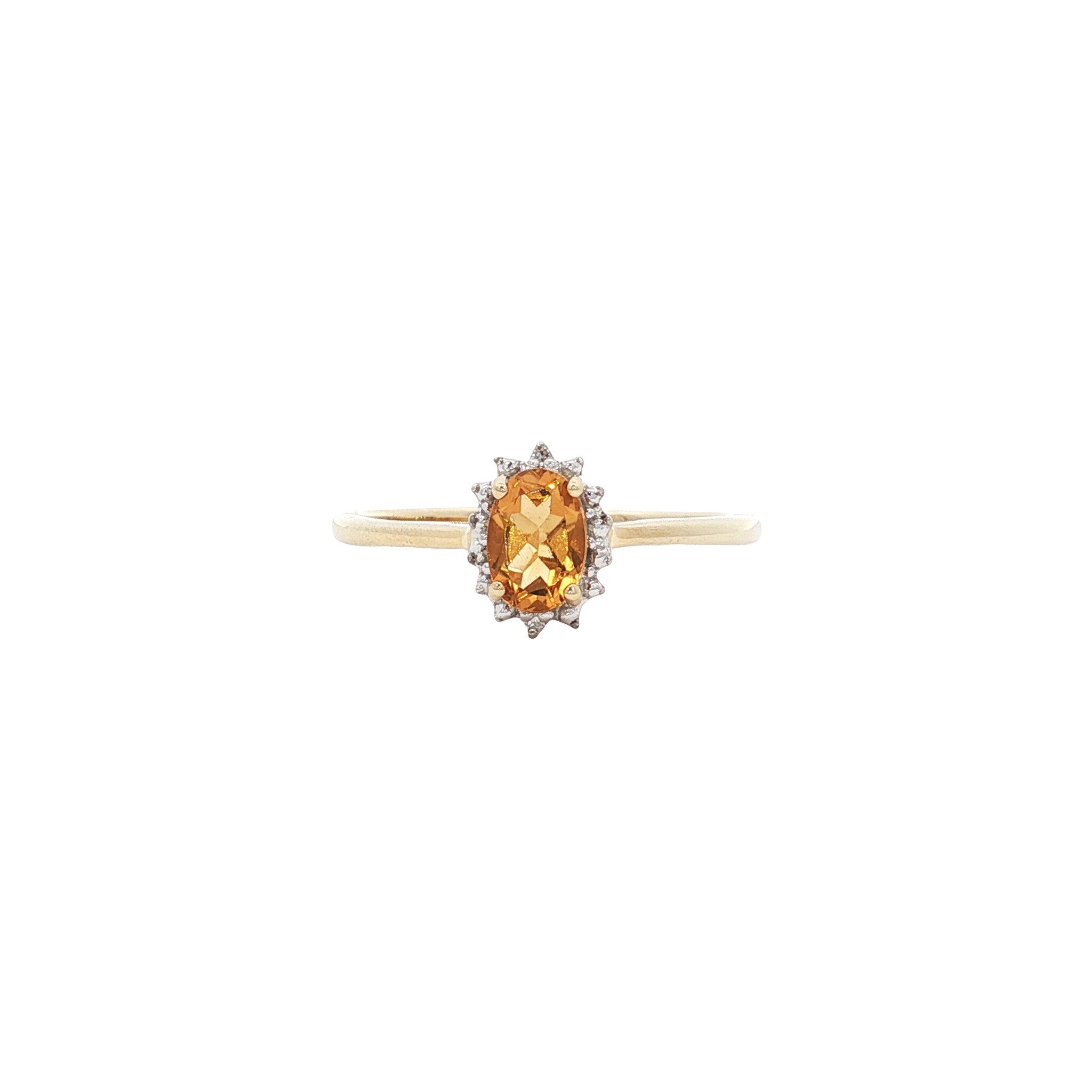
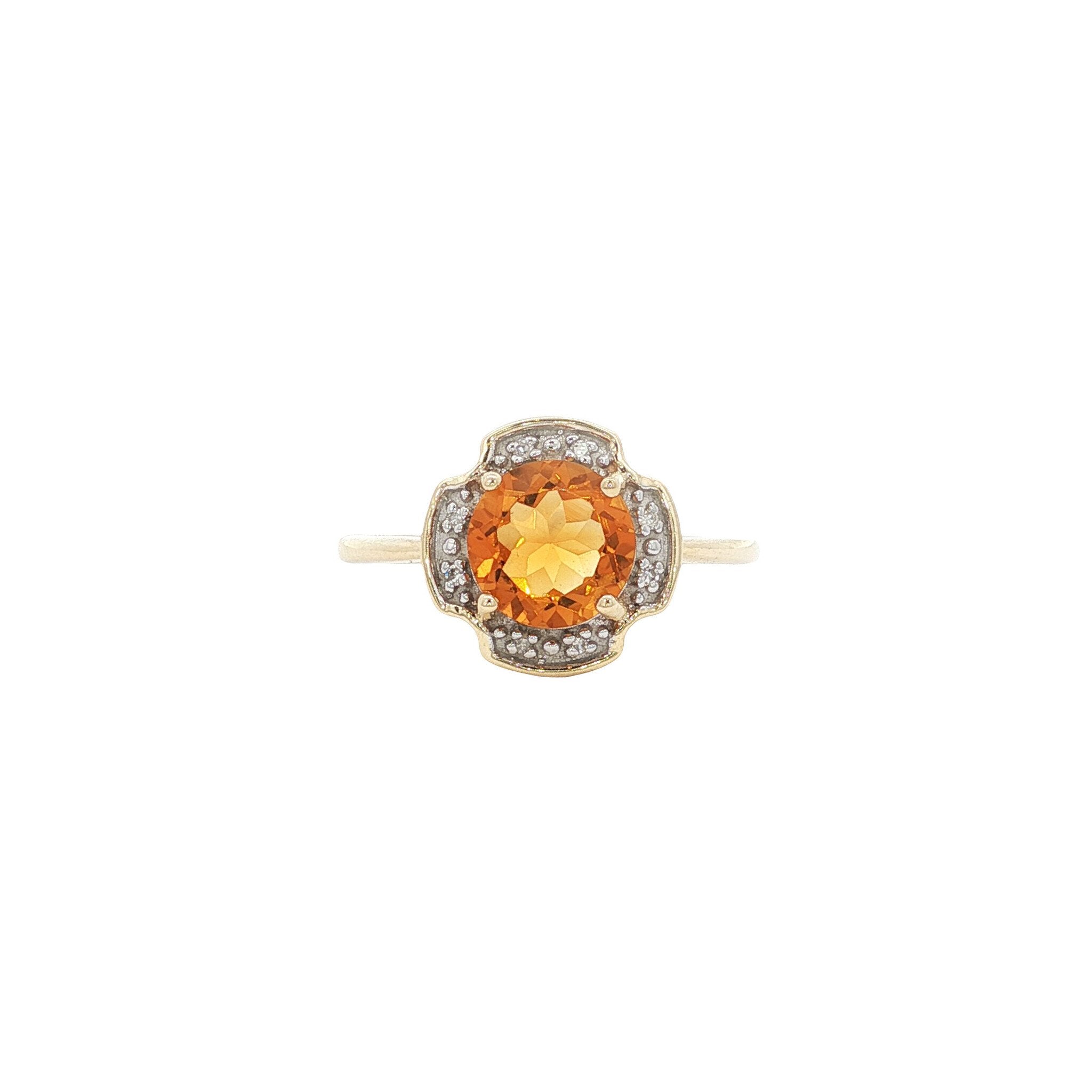
Citrine is a beautifully transparent gemstone with a deep, golden-yellow glow. A color that warms and cheers you up! It's no wonder then that citrine is associated with positive energy and the stimulation of creativity. Furthermore, the color yellow can have a positive effect on your immune system. Perhaps that's why we love citrine jewellery so much.

Yellow as a lemon?
Citrine's hue lies in the yellow spectrum. Most citrines found have a light yellow color, as yellow as a lemon. But the most valuable citrines are darker, orange-gold in color. Although the name indeed derives from the yellow lemon (Latin: citrus), citrine can vary in color from light yellow to brownish orange.
Citrine is primarily found in Brazil, Sri Lanka, Russia, and Madagascar. Citrine's yellow color also develops after heating amethyst and smoky quartz. When these stones exceed a temperature of 200 degrees Celsius, the hue changes from purple and brown, respectively, to a bright yellow. Because citrine is a very rare stone, the heated form is often used in jewellery. You often see these gemstones given derivative names such as "Madeira Citrine" or "Bahua Citrine." Citrine and amethyst can also occur together in a single stone. This combination is called ametrine . The combination of citrine and smoky quartz is then called smoky citrine (or "smoky citrine").
After 1930
Other names for citrine include Topaz Quartz and Pseudotopaz. All these different names originate from the period before 1930. Jewelers then rechristened yellow gemstones en masse as "topaz." Only after 1930 was more serious research into gemstones conducted. It was around this time that a distinction began to be made between yellow topaz and yellow quartz—or citrine. Pure topaz, on the other hand, is often called precious topaz.
Happy gemstone
In the Middle Ages, citrine was sometimes prescribed as an antidepressant. Its bright yellow color brought positivity during the dark winter months. It was also believed to ensure a long and happy marriage. Reason enough, then, to incorporate citrine extensively into the most beautiful pendants, necklaces, and earrings. We also see rings with citrine every now and then, and the warm yellow hue certainly doesn't put us down!
In the 19th century, citrine was discovered in Scotland. Queen Victoria discovered the gemstone "gold" and immediately fell in love. She commissioned several pieces of Jewellery featuring citrine as a radiant centerpiece. Her husband, Albert, was also very enthusiastic about the radiant gemstone, resulting in citrine being incorporated into Scottish national costume. To this day, citrine is still worn in traditional Scottish clothing.

Hollywood chic
The biggest Hollywood stars of the 1930s were die-hard citrine fans. Think of influential women like Greta Garbo (a major jewellery wearer, she even started her own jewellery line!) and Joan Crawford. Both wore many rings, earrings, and brooches set with citrine.
And of course, we all know Kate Middleton, known for her refined taste and charisma. Kate is also a big fan of citrine and wears both rings and earrings with the yellow stone. Incidentally, citrine's positive and creative stimulation is said to be most evident in earrings.
Maintenance
Citrine is relatively easy to care for. Clean with lukewarm water and a little mild soap. A soft brush will help remove dirt. Rinse well and dry with a soft cloth. Avoid exposure to intense heat or direct sunlight.
Discover our citrine Jewellery here .
Citrine collection