
Pomegranate
Garnet: A versatile gemstone
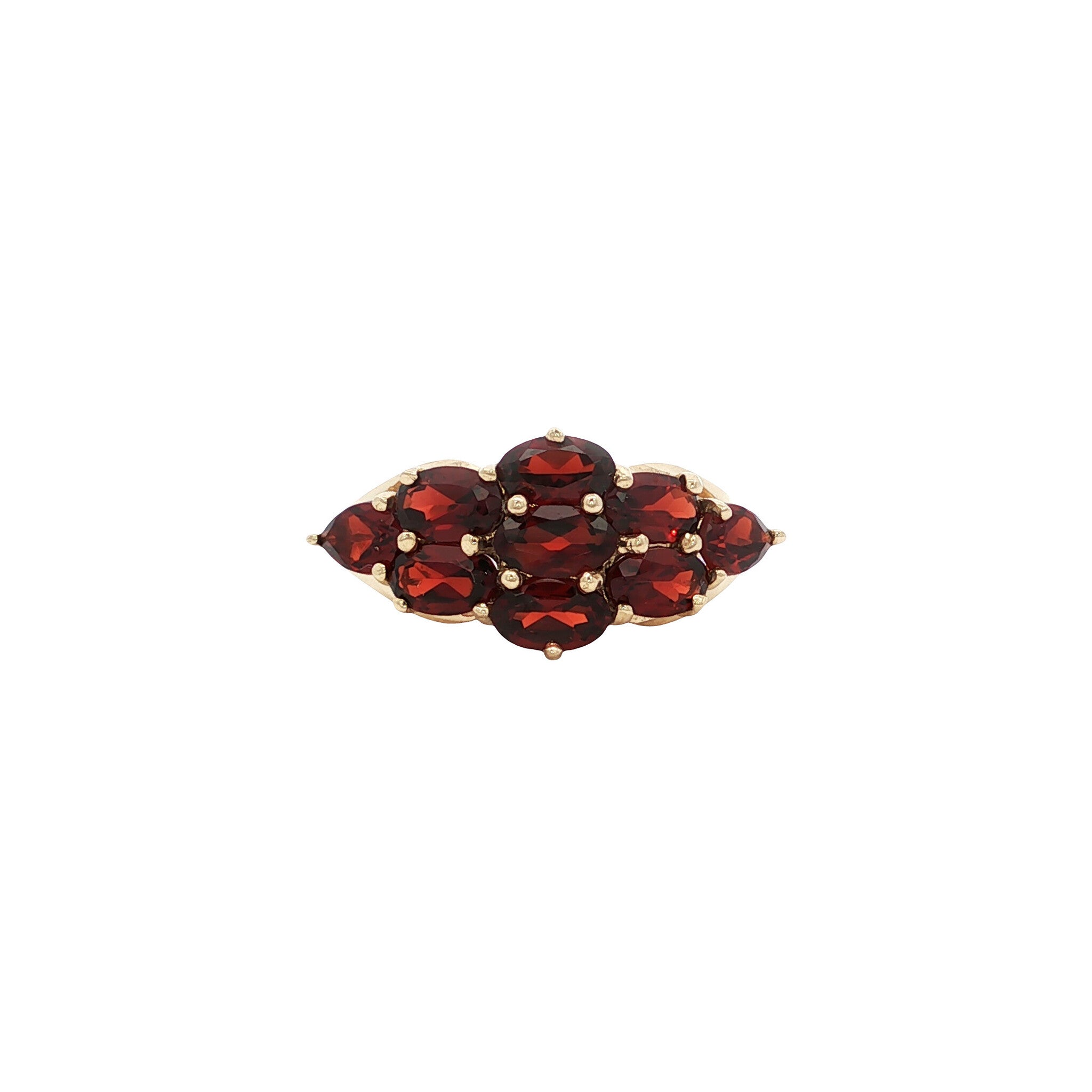
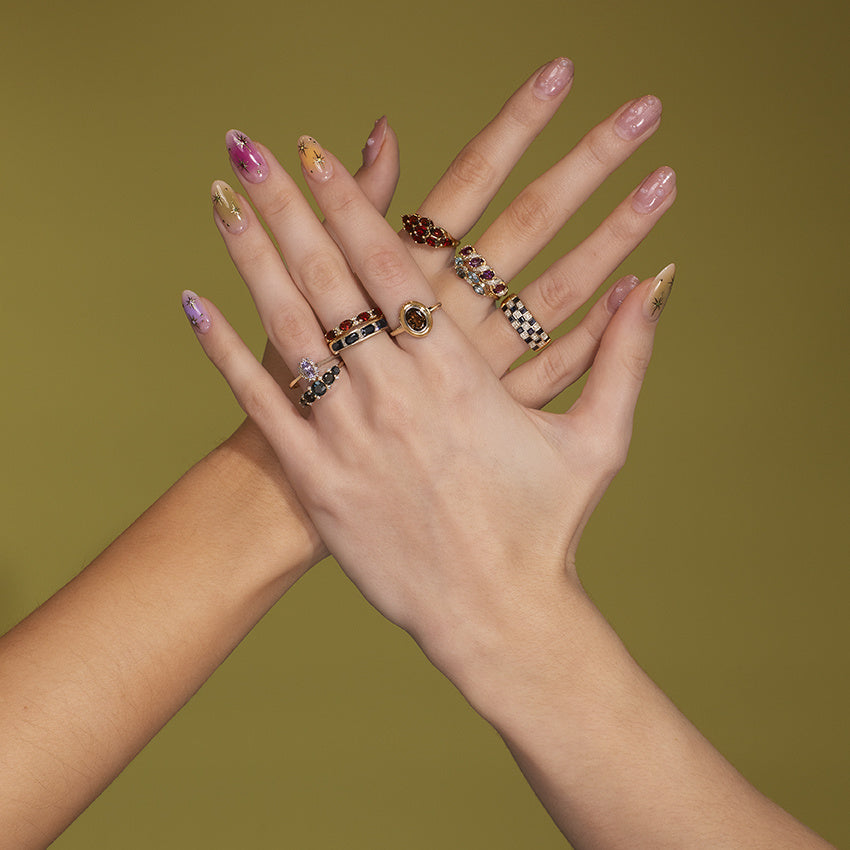
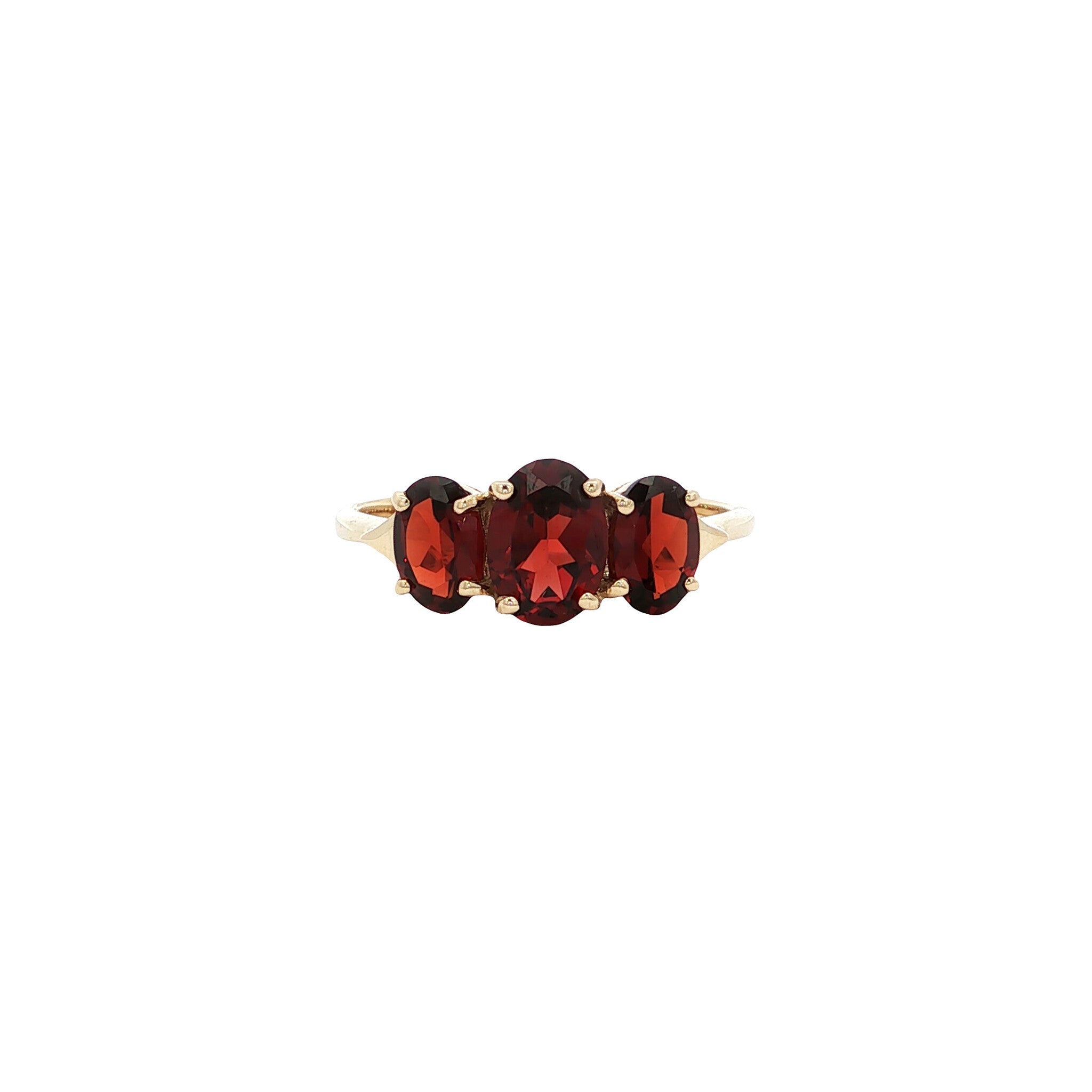
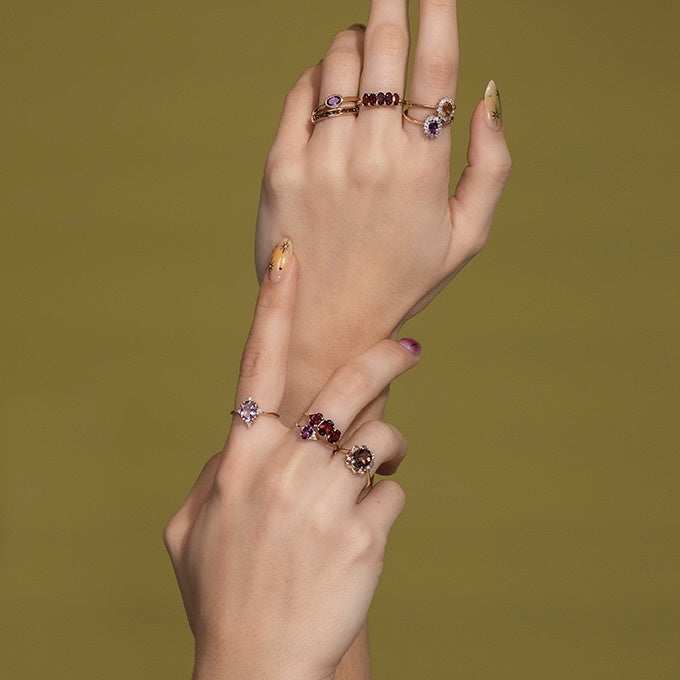
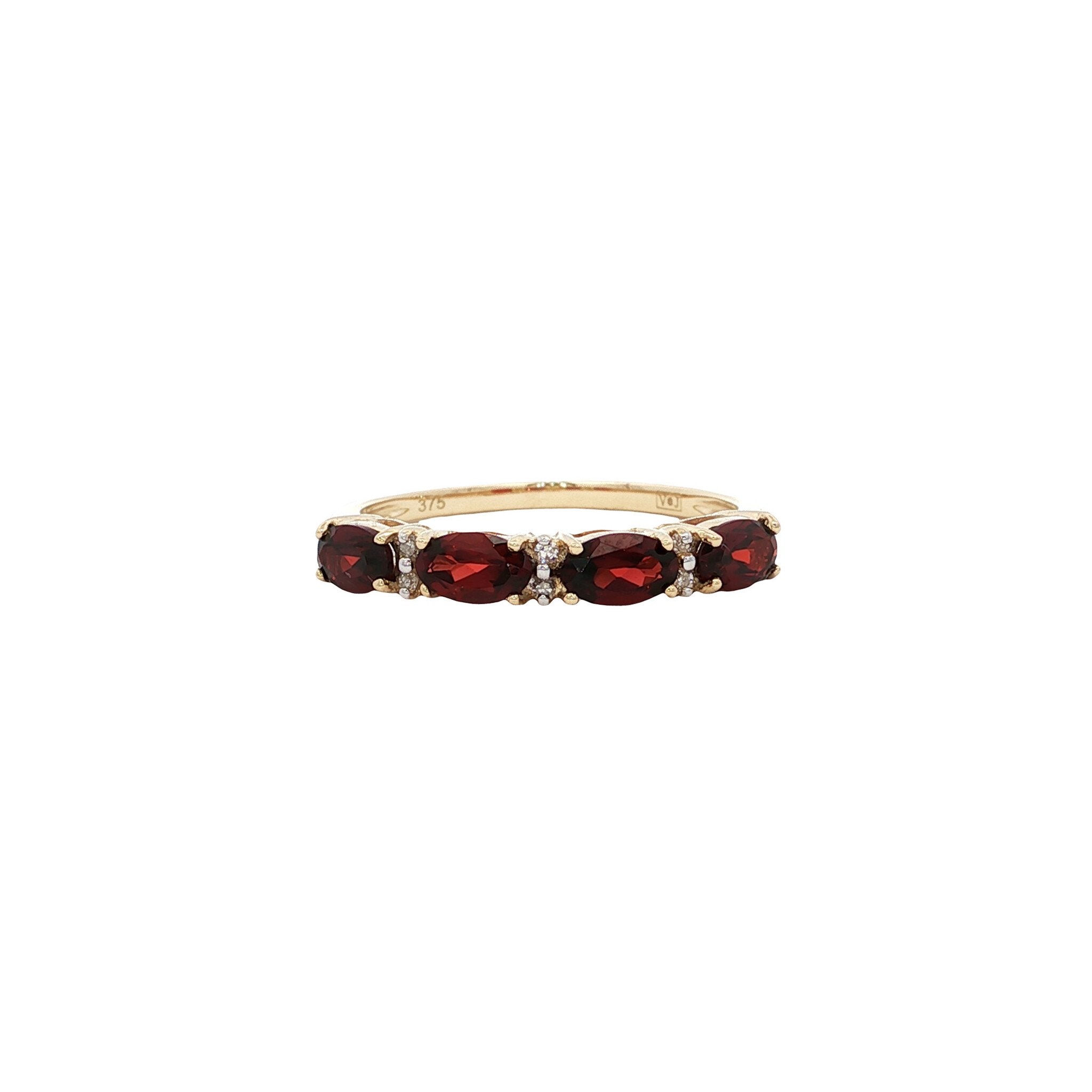
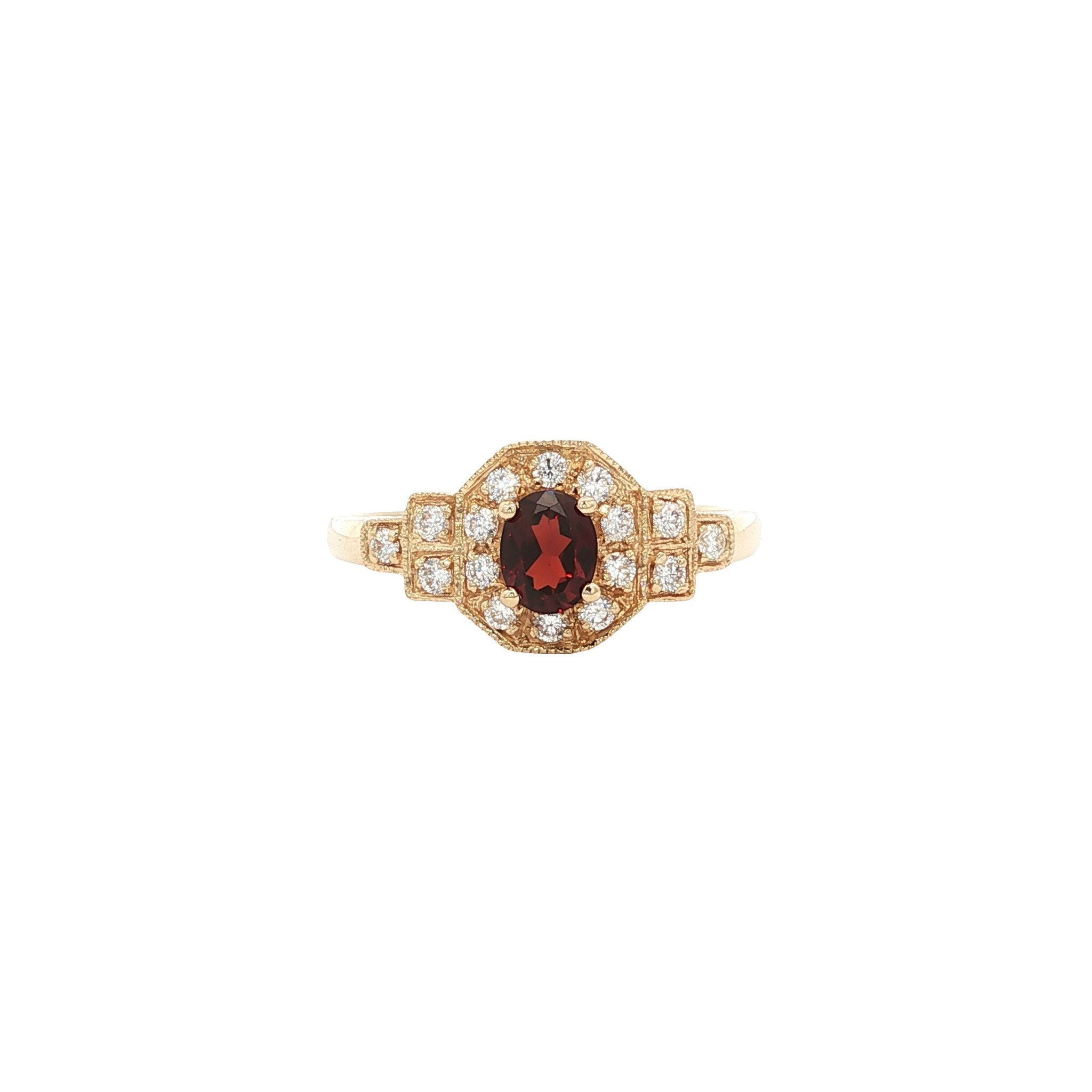
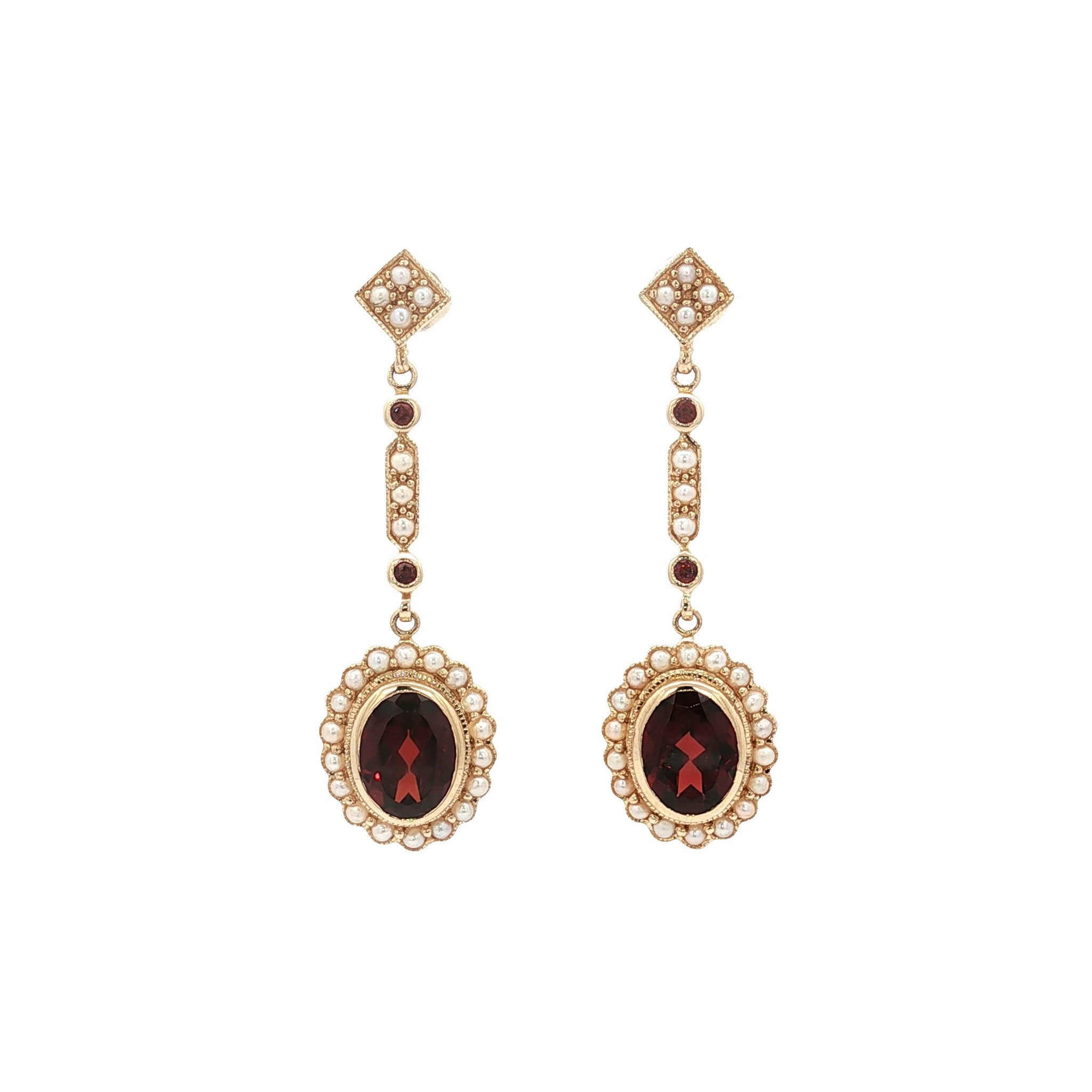
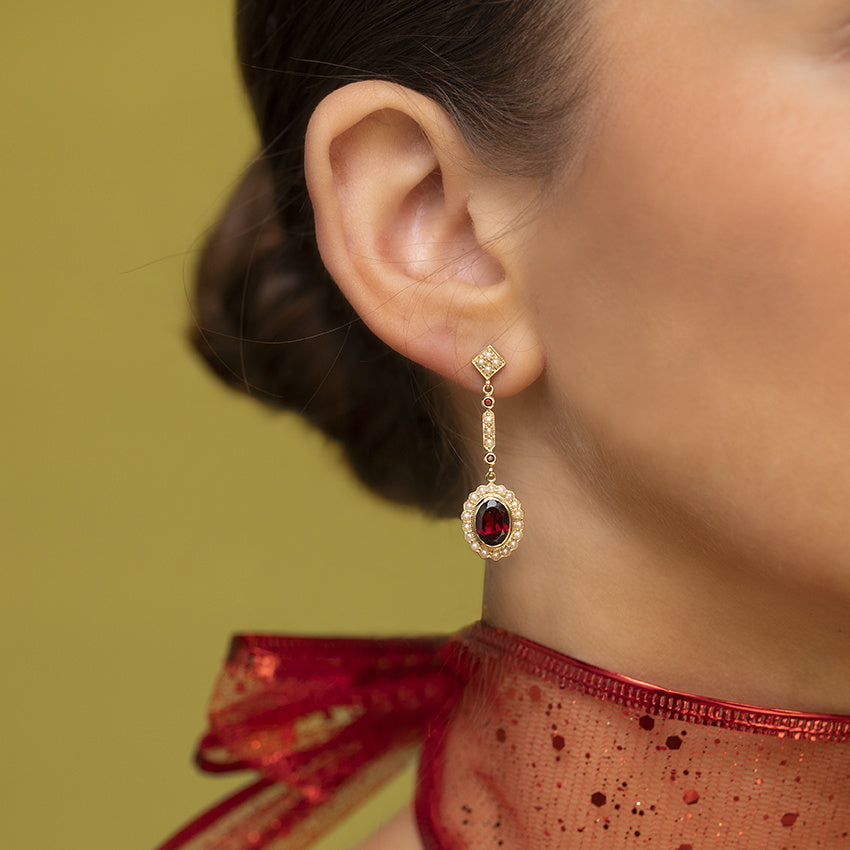
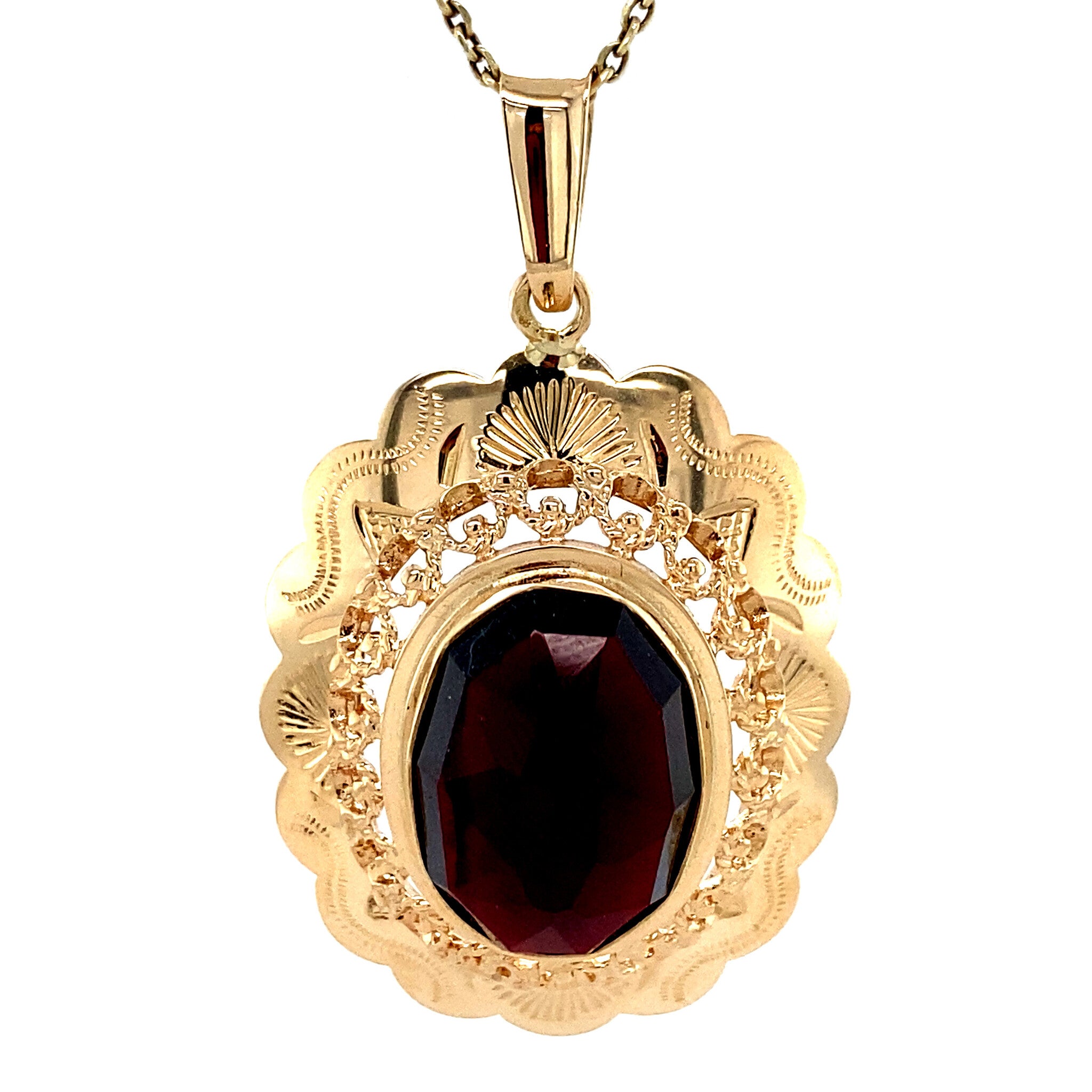
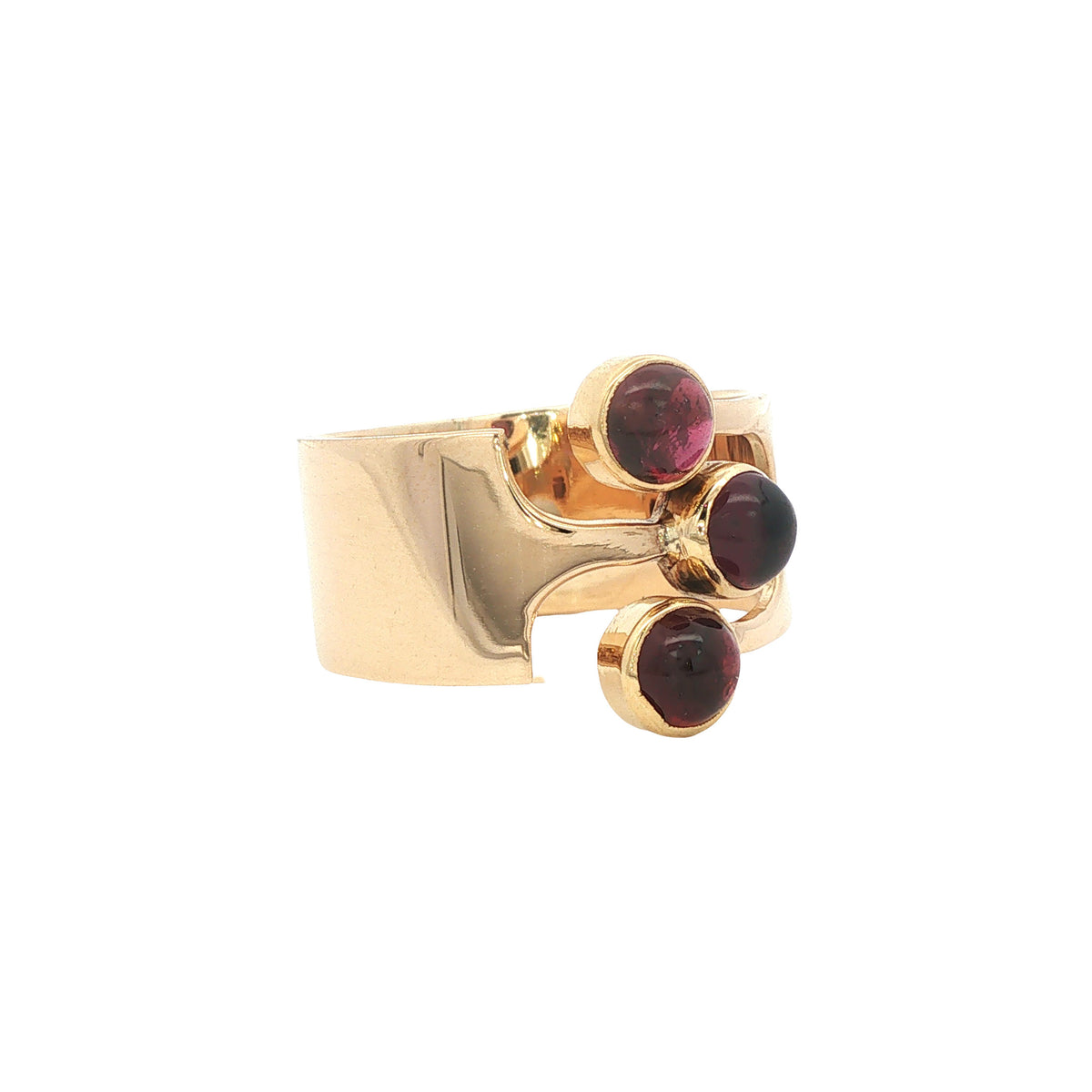
The term garnet is a collective name for a group of minerals that share a similar crystalline structure but differ in chemical composition. Because of this difference in composition, the garnet family consists of gemstones that vary greatly in color and properties. What all garnets have in common is their use in Jewellery for centuries. If you've ever seen garnet Jewellery, you'll understand why: the classic combination is beautiful and timeless.

Nature "sharpened"
The first garnet Jewellery is at least 5,000 years old: Garnet bead necklaces have been found in Egyptian tombs dating back to 3,000 BC. The earliest garnets were rarely, if ever, polished by human hands because this technique was not yet available. Therefore, the first garnet Jewellery often consisted of beads that were naturally "polished"; riverbeds had softened the stone's shape over centuries. Garnets, simply polished into shape, have also been found in Celtic tombs.
Against nightmares and fears
In the Middle Ages, garnets were worn not only for their beauty but also believed to help with nightmares and depression. Garnet was an important stone for early Christians because it appears several times in the Bible. The Old Testament, for example, describes God giving King Solomon four gemstones as a gift, including garnet. Noah also recounts using a garnet to light his ark. Finally, garnet's deep red color evoked the Passion of Christ. Therefore, many Christians wore garnets in rings or as pendants to demonstrate their faith.
Although garnet has been worn in Jewellery for centuries, it has never held the same status as, for example, sapphires, rubies, or emeralds. This is mainly because garnet is found worldwide and therefore less rare. In Roman times, garnets were already the most traded gemstone in Europe, according to the Roman author Pliny the Elder.
Bohemian garnets
However, new discoveries of garnet mines revived interest. In the 19th century, a large new deposit of deep-red garnets, now known as Bohemian garnets, was found in the Czech Republic. This discovery sparked a new industry in the region, which produced Jewellery on a large scale using this type of garnet, which was often found in small crystals but had a very intense color.
Something similar happened in southern France at the end of the 18th century when garnets with a bright pink color were discovered, which became known as Perpignan garnets. Both European varieties were very popular in the 19th century, but in the 20th century, the mines were depleted, and interest in these garnet varieties gradually waned.

From pink to deep red and purple
Because the garnet mineral group consists of various gemstones, garnets come in a variety of colors; the most common are almandine and pyrope garnet, which range in color from pink to red and purple. These varieties are found worldwide. Grossular garnet also exists, which is yellow, orange, or brown. Two green varieties, demantoite and tsavorite, originate in a different layer of the Earth's crust and are therefore rarer.
Besides different colors, garnet can also possess several other interesting properties. For example, there are color-changing garnets, which appear a different color in daylight than in artificial light. Some garnets have a chatoyance effect, which means a stripe or star shape appears when viewed from different angles in bright sunlight. This effect is caused by tiny linear inclusions in the material.
Garnets come in various colors and compositions, but most varieties are not very rare and therefore not very valuable. Pyrope and almandine garnets are the most common and range in color from red to purple. The orange and green varieties are formed by a different, rarer chemical combination of elements in the Earth's crust. The most valuable garnet is uvavorite, a very rare, bright green garnet variety found in the Urals. Curious about this classic beauty?
Maintenance
Garnet can be sensitive to impact. Clean with lukewarm water and mild soap. Use a soft brush and dry gently. Avoid sudden temperature changes.
Discover our collection of vintage garnet Jewellery here.
Garnet collection