
Emerald
Emerald: rare and beautiful
Emeralds are extremely rare. For longer than people have believed in God, people have loved this special gemstone. Emeralds are always a good choice. They radiate power in any piece of Jewellery. From the Queen of Egypt to your neighbor, everyone, always, and everywhere, people are delighted by emeralds.

The Beryl family
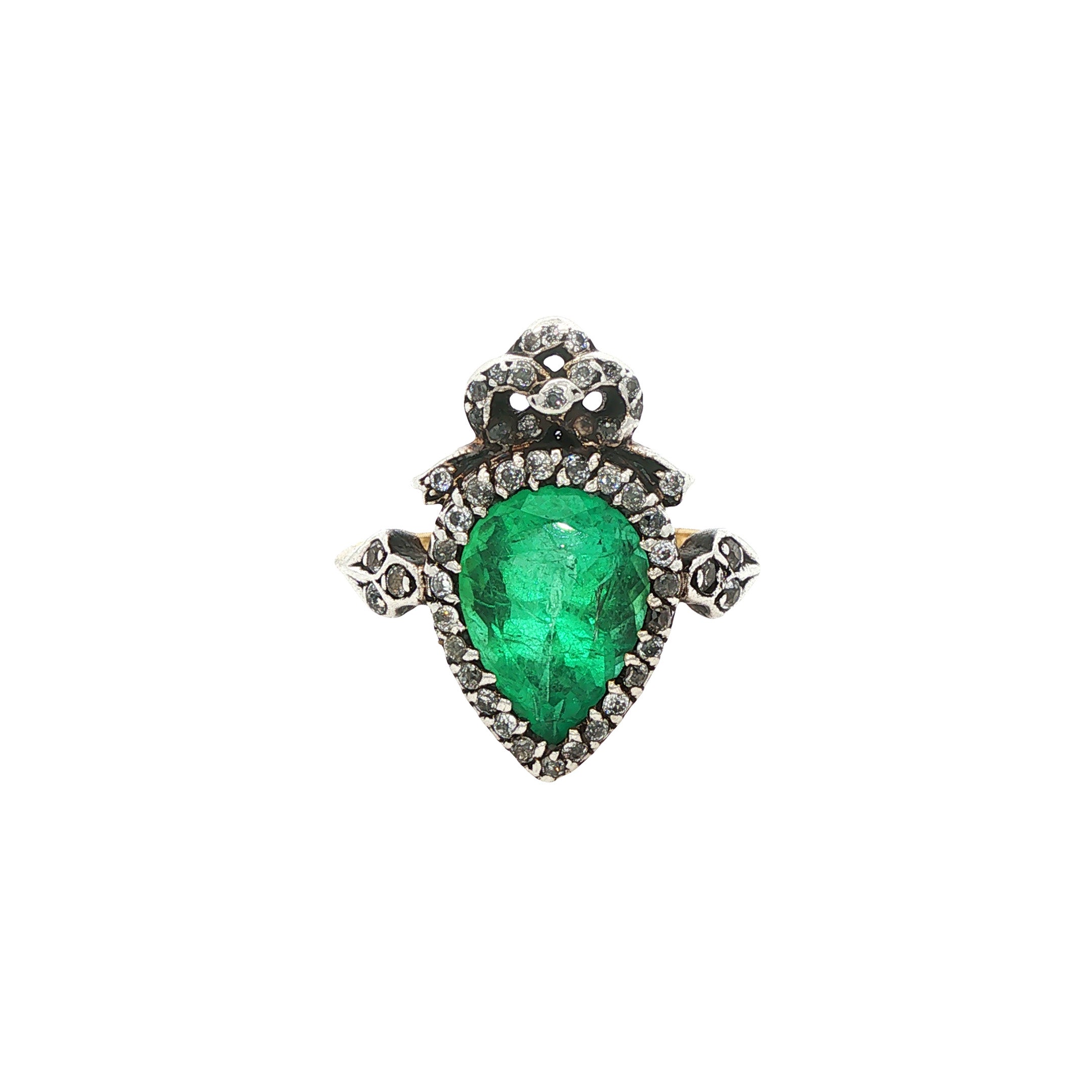
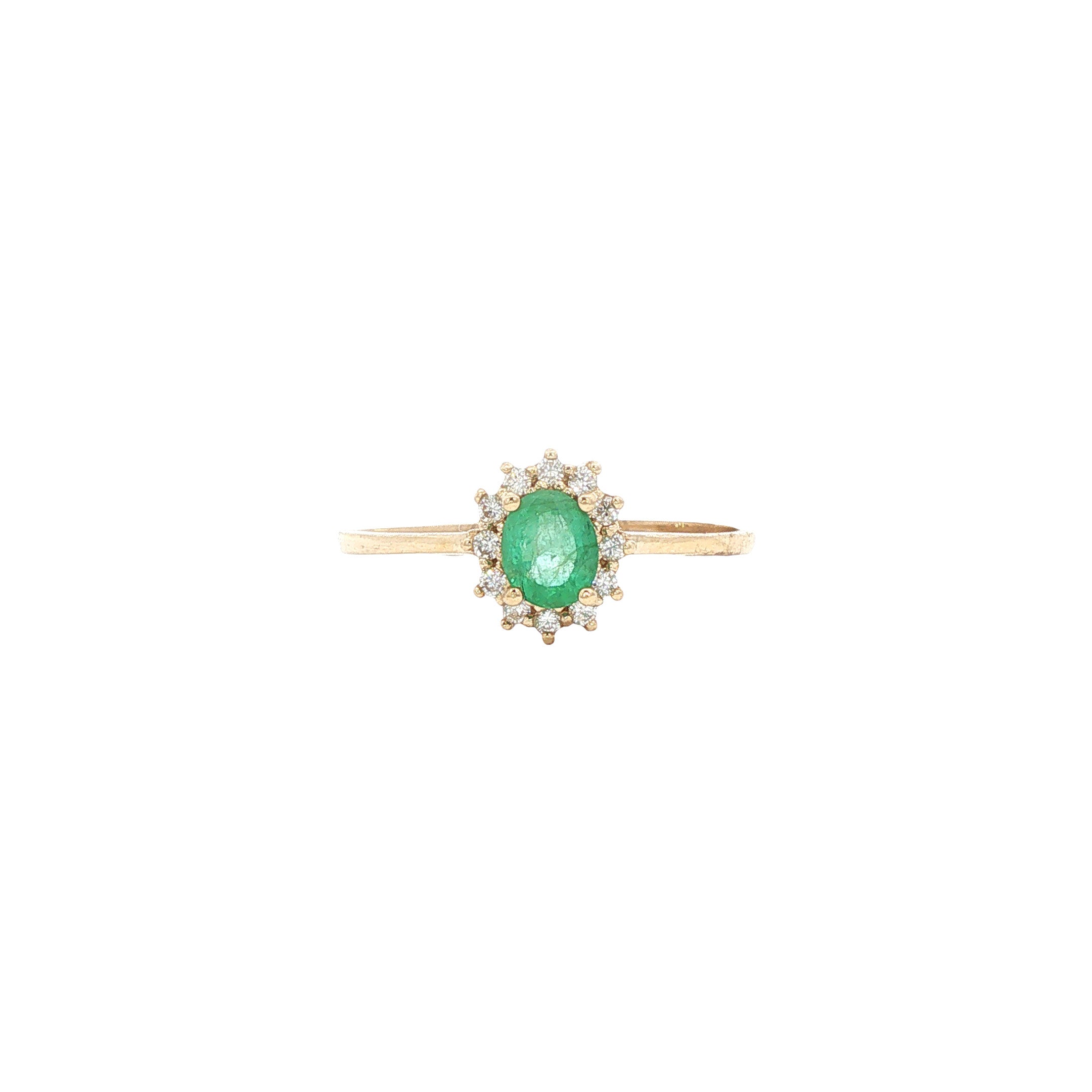
Emerald is a form of beryl. Its chemical composition is officially called aluminum-beryllium-silicate . You may also be familiar with aquamarine (blue). This is also a form of beryl. Bixbite (red), heliodor (yellow), and morganite (pink) are lesser-known minerals from the same family. The beryl family is also called the mother of gemstones, because a wide variety of stones belong to this group. Most shades of green beryl are called emeralds. Emeralds are known for having inclusions/imperfections. This means the stone has small cracks. With many other gemstones, this would be considered an imperfection; with emeralds, it's quite the opposite. Inclusions make the stones unique and distinctive, just as birthmarks, for example, make us unique. There is, of course, a limit to the number of inclusions; the stone must be visibly smooth and clear to meet the standards of high-quality gemstones. The most important factors for determining the value of an emerald are therefore: purity of color, transparency, clarity, and brilliance (or brilliance). Synthetically formed emeralds often lack inclusions; these are actually too perfect and are therefore relatively less valued. Inclusions in emeralds are also called jardin (French: garden) because they resemble branches or plants in a garden.
Where does the name come from?
The name emerald comes from the Latin word smaragdus . In Greek, smaragdos means green gemstone. Smaragein, translated from Greek, means thunder or storm. This would imply that the stone is lightning-like, or a thunderstone. In Arabic, achmardi means greenish, and in Hebrew, bârekét means brilliant stone. These translations could also be sources for this beautiful green gemstone.
Emerald deposits
Colombia is the primary source of emeralds. Emeralds have been mined here for centuries at the world-famous Muzo mine, just north of Colombia's capital, Bogotá. Most emeralds from this mine have a distinctive green color called muzo green . This color is characteristic of the mine, hence the name. Other important deposits are in Egypt and Russia, although most of the resources there are now depleted. Emeralds are also mined in Australia, Brazil, Canada, India, Madagascar, Tanzania, Zambia, and Zimbabwe.

Trapiche emerald
A very rare type of emerald is the trapiche emerald. The beryl mineral that makes up this stone crystallizes in a hexagonal shape (six corners). If these corners are visible in the stone, we call it the extremely rare sector zoning. This is almost never found in stones, and certainly not in set Jewellery, but if it does occur, it's highly likely that these stones originate from Colombia or Brazil. The inclusions that mark these sectors can be black or white and create a very special gemstone. Then there's the specific emerald cut .
This is a special cutting method that shows off the emerald to its best advantage. The emerald cut is recognizable by its smooth, straight cut with beveled corners. This cut symbolizes an open heart. The emerald cut is often used for gemstones in crown jewels.
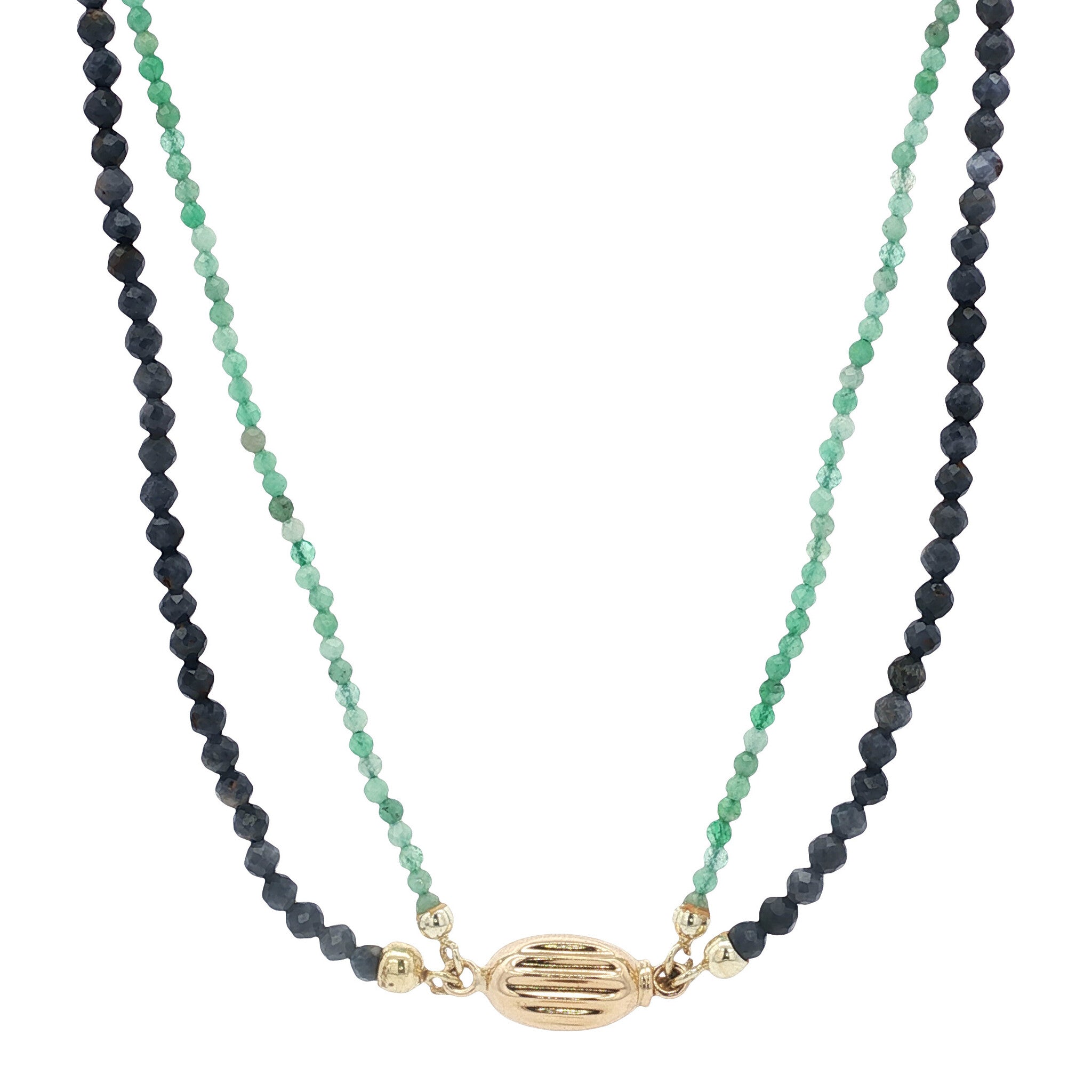
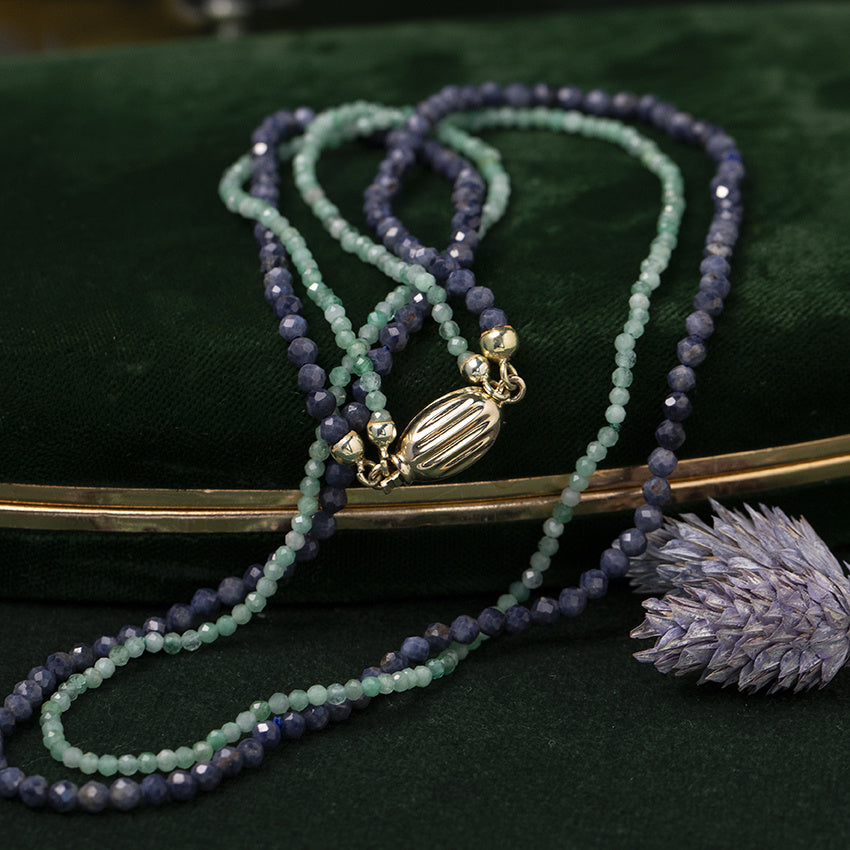
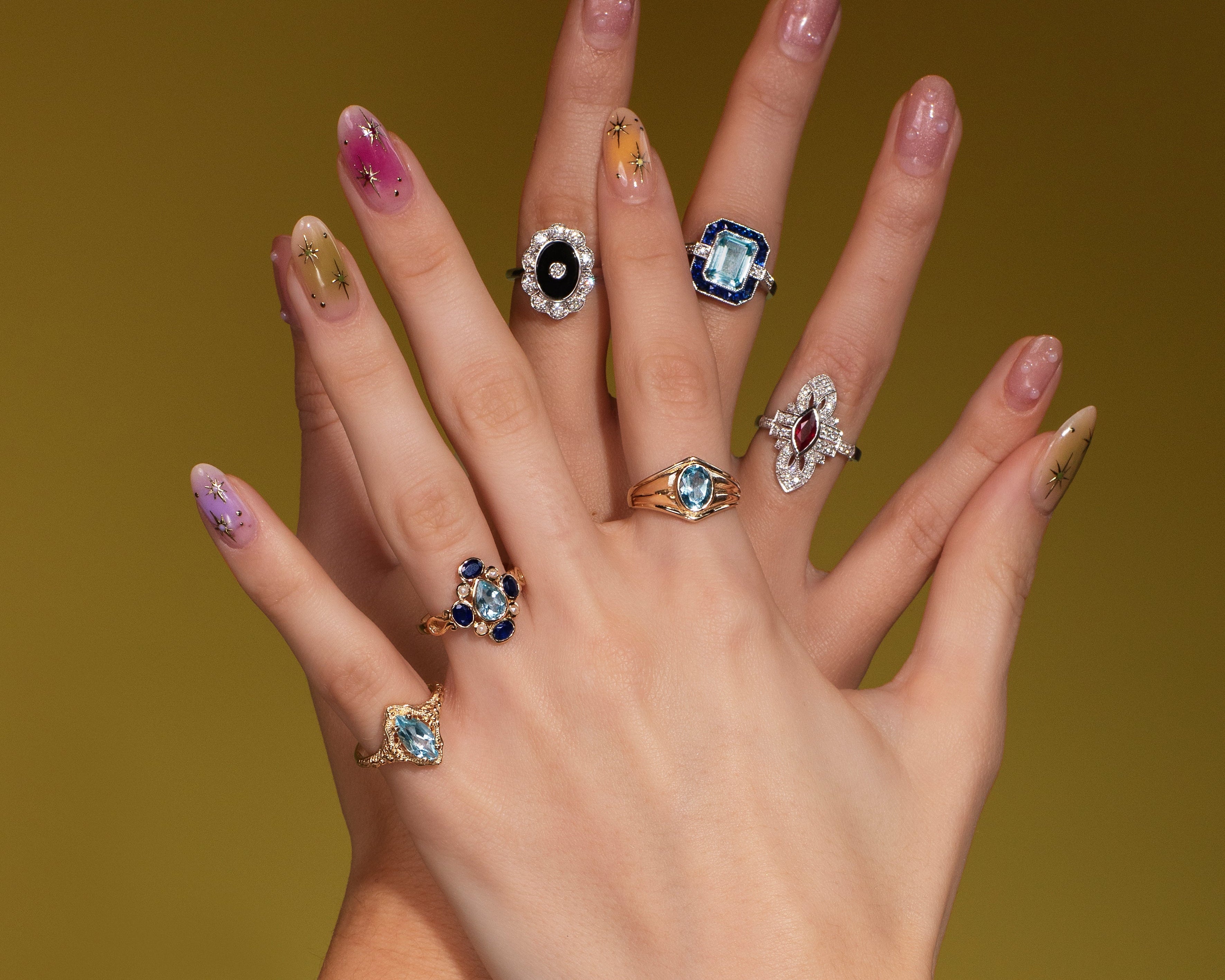
Emerald Jewellery
Cleopatra was already completely captivated by the magical green gemstone in her time (she was born in 69 BC). Cleopatra so loved the beauty of emeralds that she claimed emerald mines in Egypt so she wouldn't have to share their extractions with anyone.
A few centuries later, the ancient Romans designated emerald as the birthstone of their goddess Venus: the goddess of love and beauty. Influential women of our time also appreciate emeralds. Queen Elizabeth, Princess Diana, and our own Queen Máxima have owned (or have owned) small collections of Jewellery set with the green gemstone. In 1845, Queen Victoria received an emerald tiara from her husband, Prince Albert. The tiara also included earrings, a brooch, and a bracelet. Victoria had herself immortalized several times in paintings wearing these jewels. Later, her granddaughter Victoria wore the jewels, and today the set can be admired in an exhibition at Kensington Palace. Lady Di used an emerald necklace to make a fashion statement. She did this by wearing the piece, originally Queen Mary's, not as a necklace, but as a diadem. The necklace also belonged to Queen Elizabeth II in the intervening years, but she never wore it. She gave the piece of Jewellery to Diana as a wedding gift and after Diana no one ever wore it again.
Queen Máxima currently owns an emerald set, consisting of a tiara, a necklace, earrings, and a brooch. The emeralds once belonged to Wilhelmina of Prussia. Queen Emma subsequently gave the set to her daughter Wilhelmina. Today, the set, often combined with other emerald Jewellery, is proudly worn by our queen.
Spiritual emerald
For over four thousand years, emeralds have been revered for their beauty and associated healing powers. The gemstone symbolizes power and immortality. It also symbolizes rejuvenation and eternal youth. Because of this symbolism, emeralds are not only used in Jewellery. In the past, people placed emeralds in their homes for decoration and to project status. May's birthstone has a special connection to the zodiac signs: Taurus, Cancer, Aquarius, Sagittarius, and Scorpio. Emeralds also have healing properties. For example, they help alleviate eye ailments, likely because the green stone is associated with clairvoyance. Furthermore, emeralds help with epileptic seizures and insomnia.
Emeralds owe these special powers to their unusual green color. For example, with rubies, the color is often described by comparing them to an animal or a thing (pigeon blood red). The color of emeralds is so unique that this shade of green can be described as "emerald green."
Maintenance
Emeralds are more delicate than many other gemstones. Do not use steam or ultrasonic cleaning. Instead, clean with lukewarm water, a drop of mild soap, and a soft cloth or brush. Do not soak. Rinse gently and pat dry with a soft cloth. Be extra careful with impacts or temperature fluctuations.
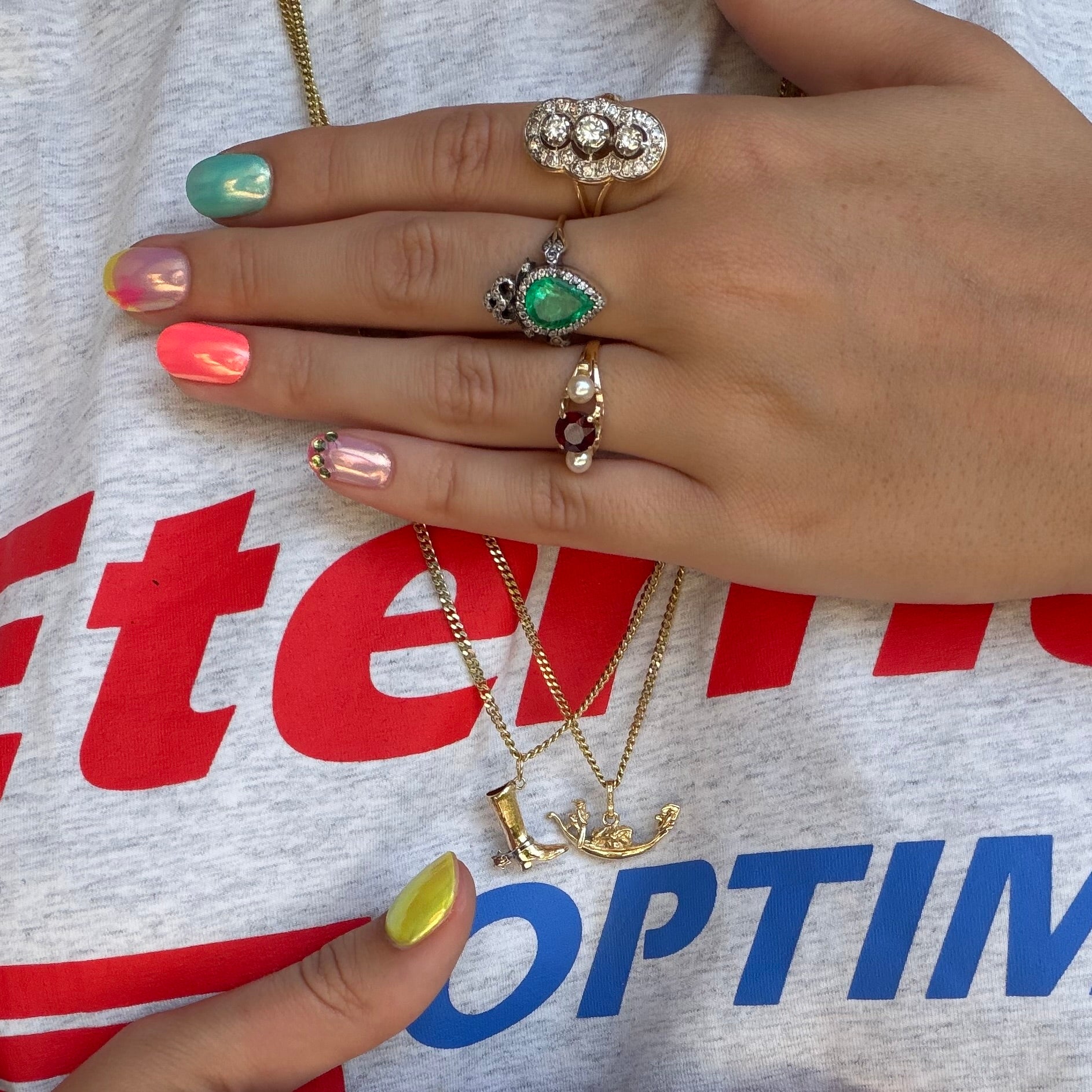
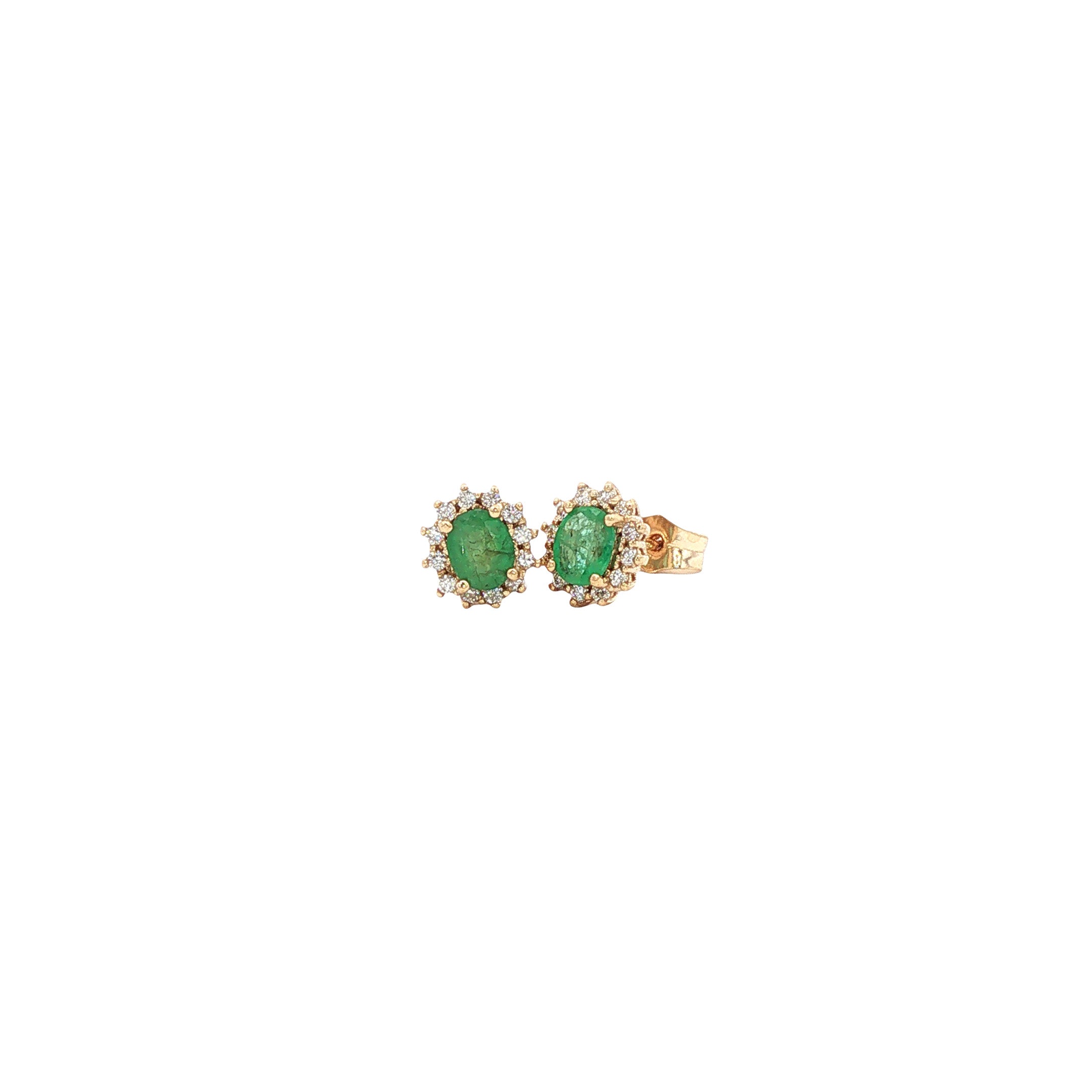
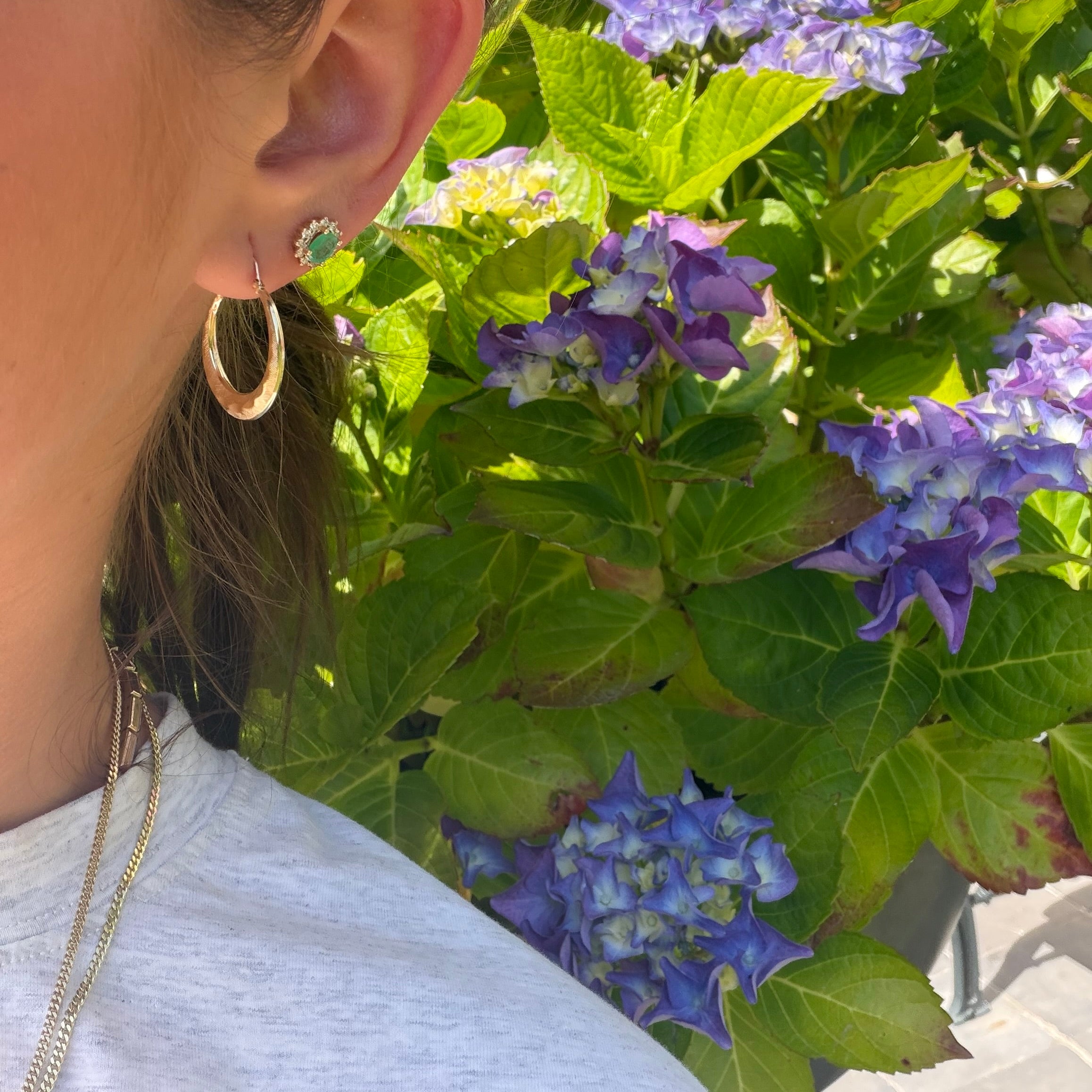
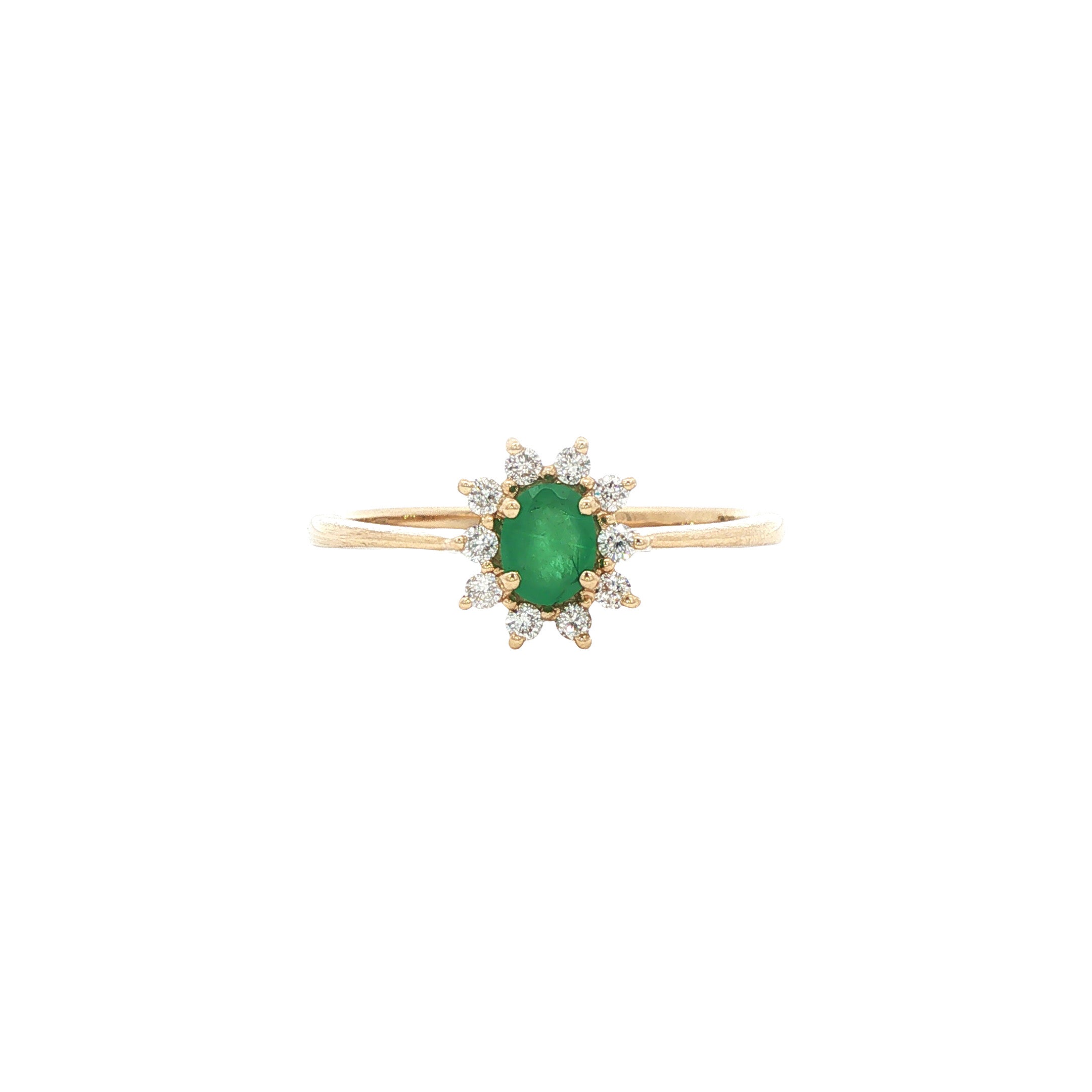
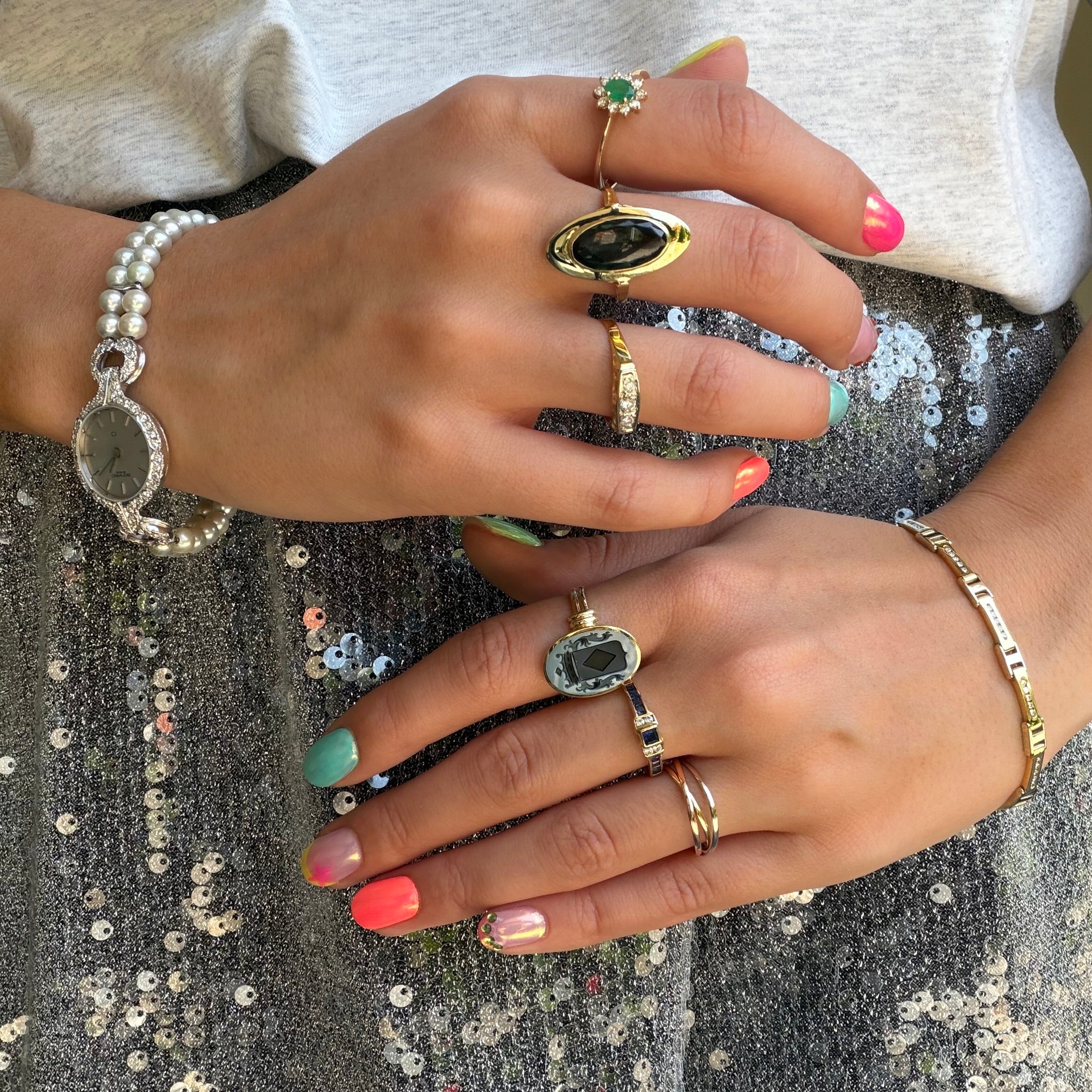
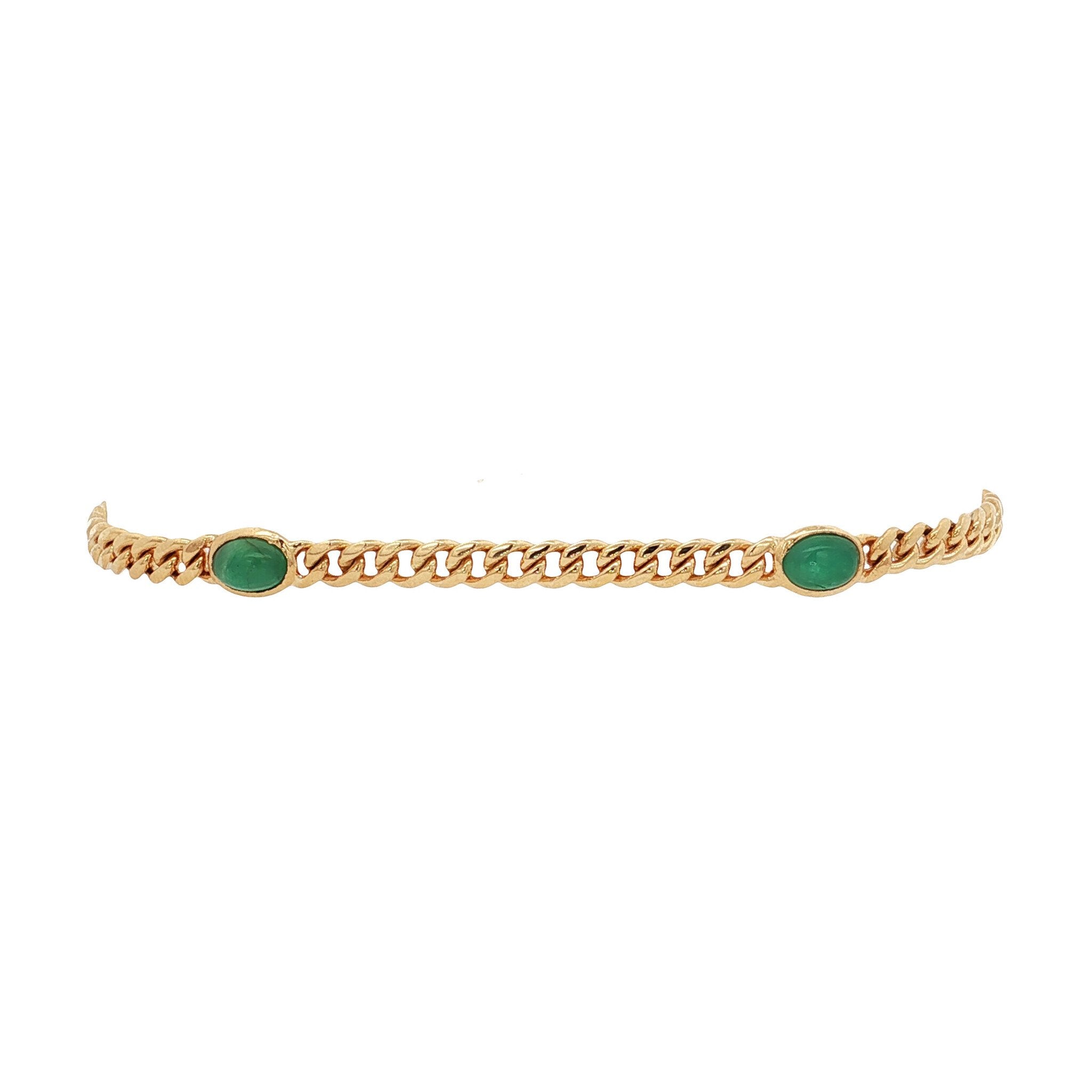
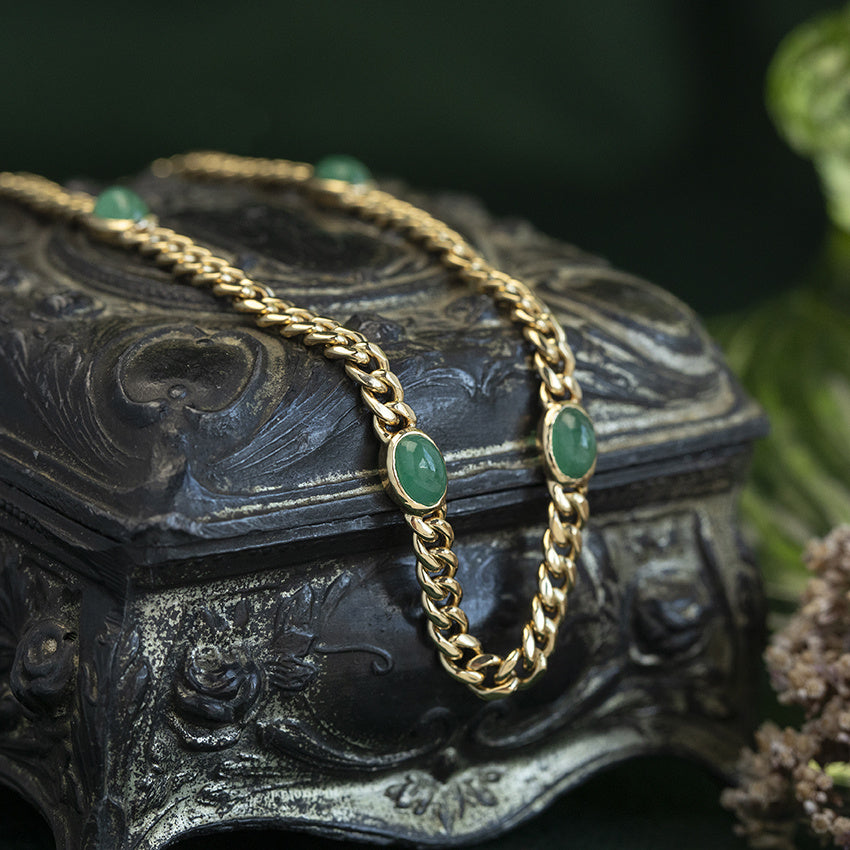
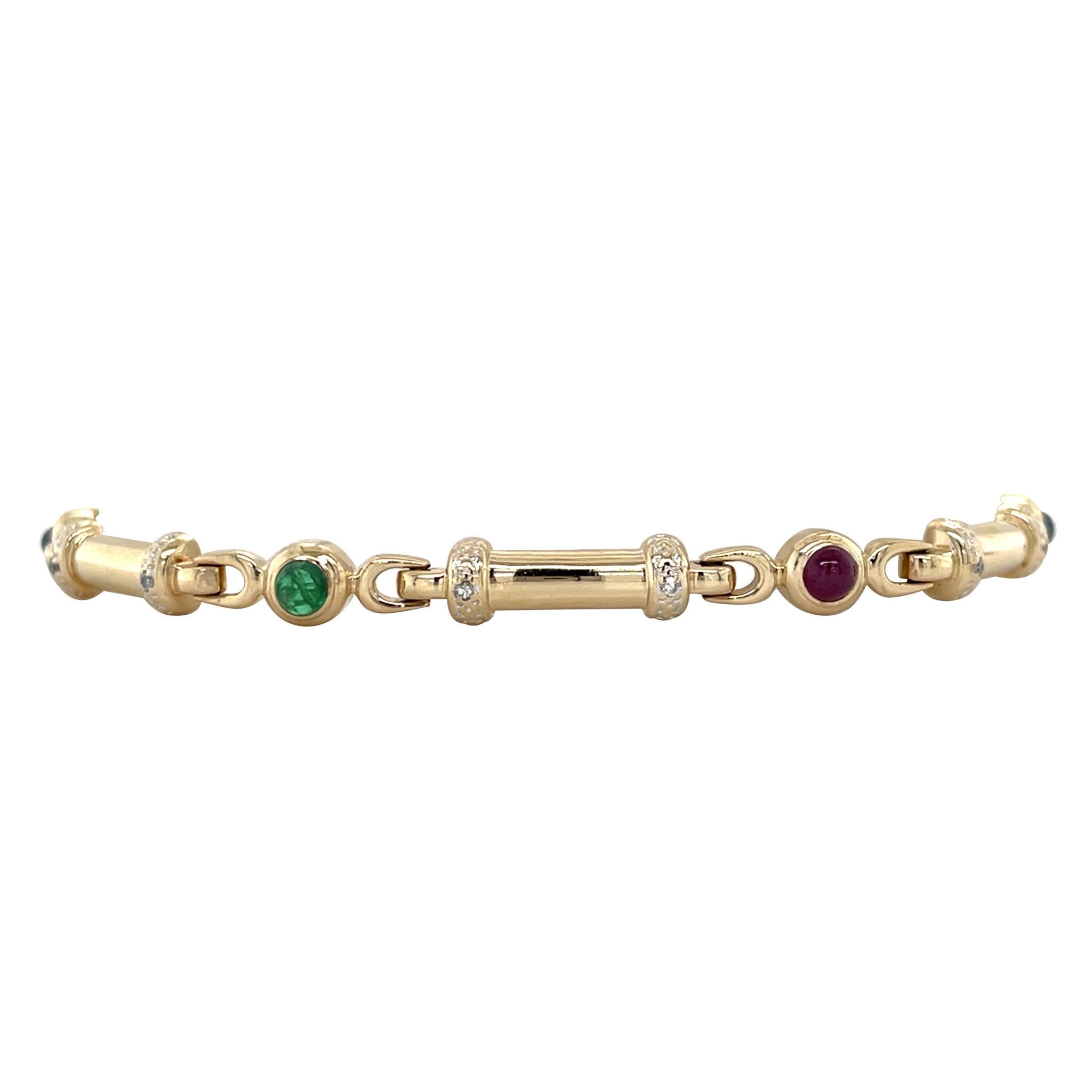
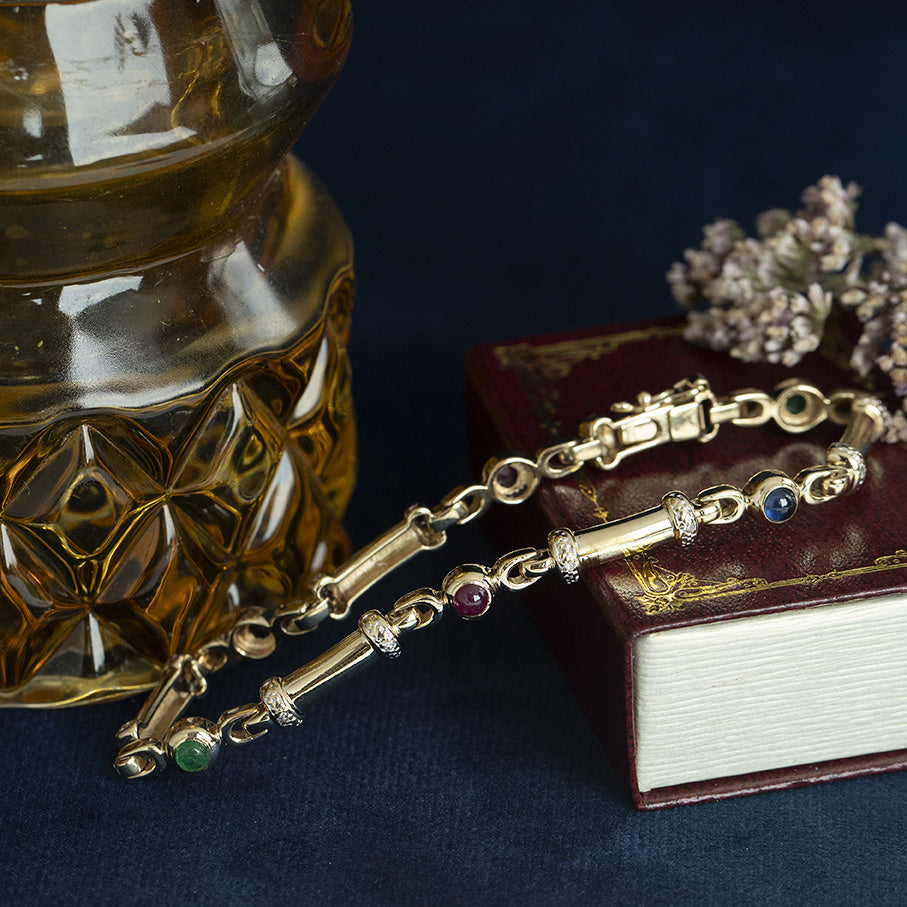
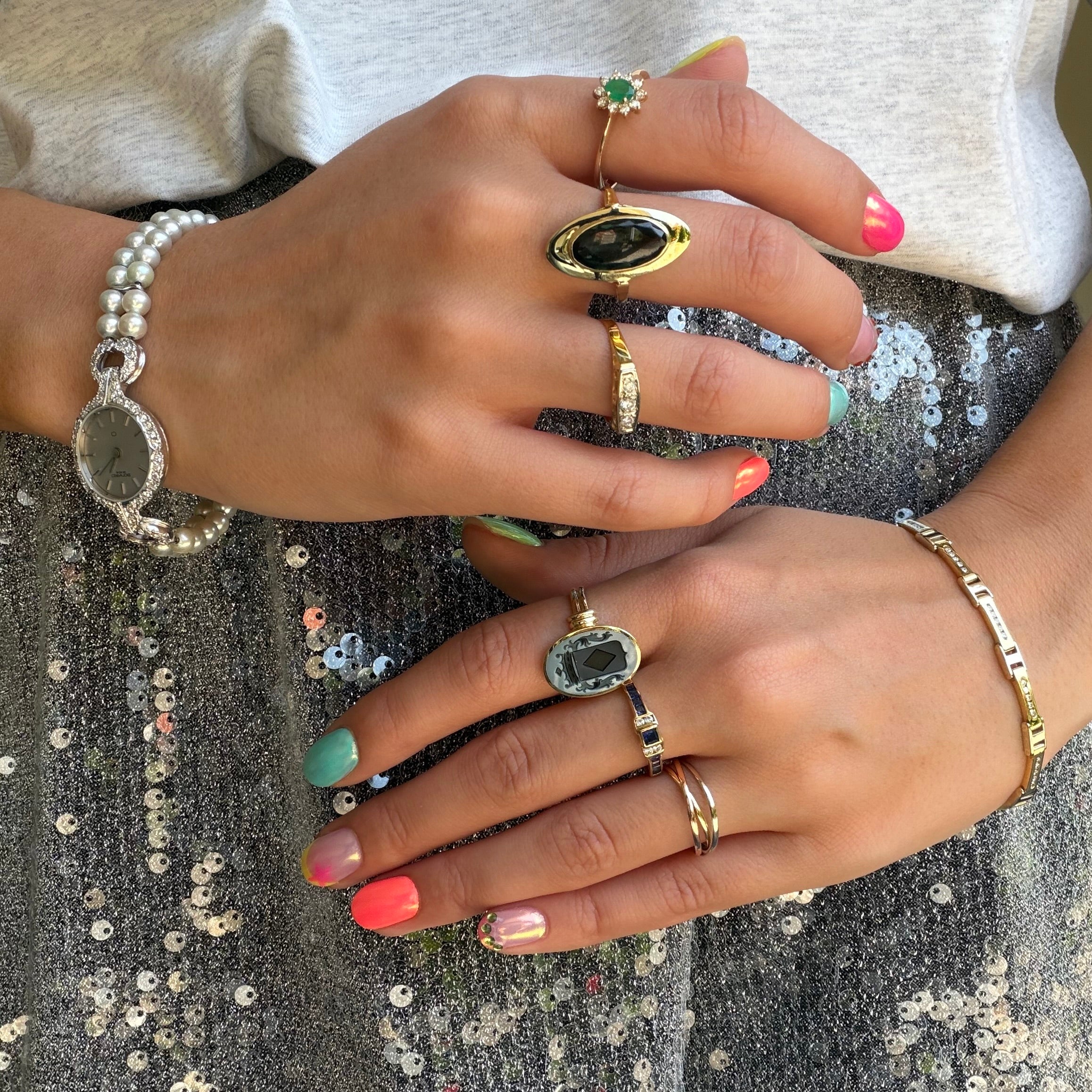
Discover our collection of vintage emerald Jewellery here.
Emerald collection