
Art Nouveau: An era where art and craft became one
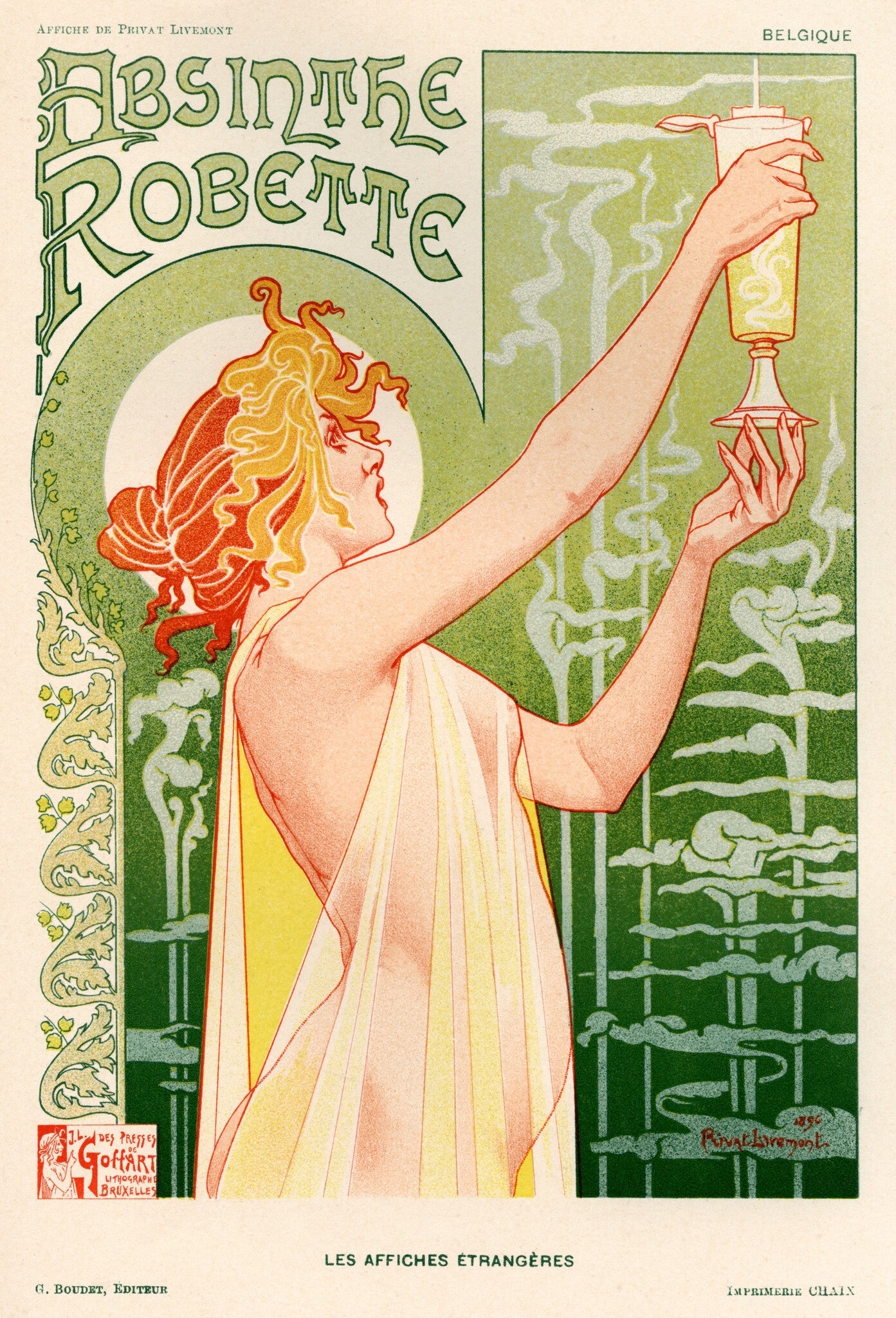
'Art Nouveau', also known as 'new art' in French. Between 1890 and 1910, the Art Nouveau movement brought many new creative insights. This new trend emerged not only in art but also in clothing, Jewellery, architecture, and much more.
Art Nouveau was an art movement that developed in the late 19th and early 20th centuries as a reaction to existing artistic styles. The emergence of this art movement was due to various factors, including social, cultural, and technological changes. New materials through new techniques, a desire for innovation, and the industrial revolution were the main influences that led to the birth of Art Nouveau.
Natural forms
The art movement is recognizable by its organic and natural streamlines. Think of fossils, plant motifs, curved lines, and asymmetry. All these natural forms were a counter-reaction to the industrialization of that time. Industrialization is the process by which more and more resources were made by machines in large quantities instead of by humans with passion.
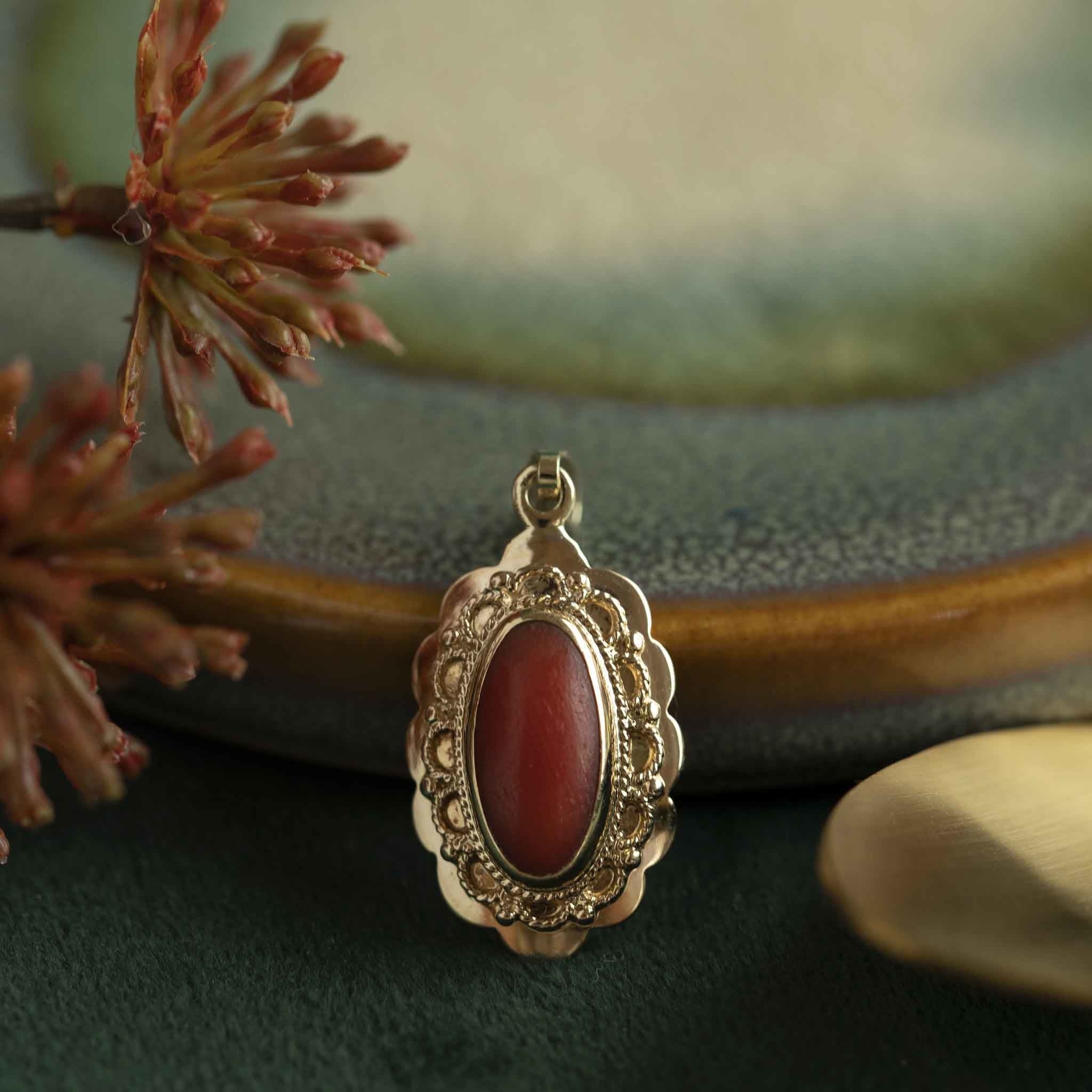
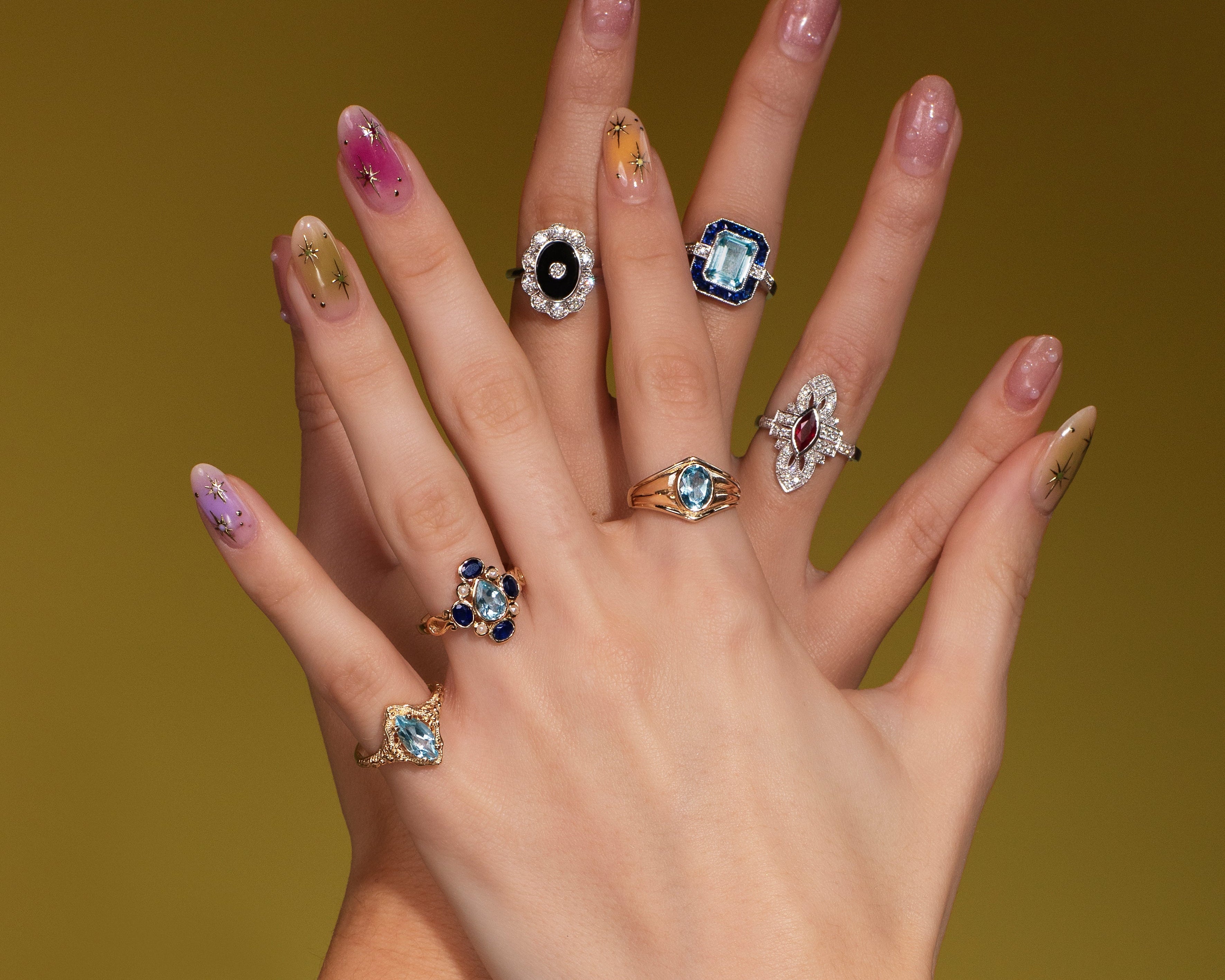
The gemstones used to embody the Art Nouveau style were opals, pearls, amethysts, emeralds, sapphires, and moonstones. The gemstones and materials appeared in various Jewellery such as rings, pendants, and brooches.
Brooches are the most well-known types of Jewellery created during the Art Nouveau period. Brooches were popular during this period because of their ability to display complex designs and creative expression, fitting the beauty of the Art Nouveau movement.
Style icons
A very important style icon of this era was Antoni Gaudi. You might know him from his beautiful architecture in Barcelona, such as the Sagrada Familia and Casa Batllo. These two architectural masterpieces are filled with an exuberant use of color, texture, and movement. He is regarded as the founder of organic architecture.
Antoni Gaudi was primarily an architect, and his influence was directly related to architecture and art, not specifically to the Jewellery industry. However, his work did influence the creative domains of his time, which in turn impacted the Jewellery industry. For example, Antoni Gaudi's work extensively features color, texture, organic forms, and motifs. This strongly resembles the Jewellery from this period, making Antoni Gaudi a highly relevant source of inspiration for these pieces.
Furthermore, Louis Comfort Tiffany was also a relevant style icon during this period. He was an American artist primarily known for his imaginative stained-glass windows and lamps. Louis was the son of the renowned jeweler Charles Lewis Tiffany, founder of Tiffany & Co. Louis's handcrafted stained-glass lampshades with floral motifs were his iconic contribution to the art world. These pieces are still highly cherished.
A crucial turning point in this period was the 1900 World's Fair. Here, various artists presented their art in different forms. The exhibition was used to provide an insight into their economic, social, cultural, and technical development. This led to worldwide recognition of the new art movement, as all participating countries could admire the presented artworks.
Tiffany's work was exhibited at the 1900 World's Fair in Paris. Here, his glassware and decorative artworks first gained international attention. His success at these exhibitions contributed to the global spread of the Art Nouveau style.
Organic elegance
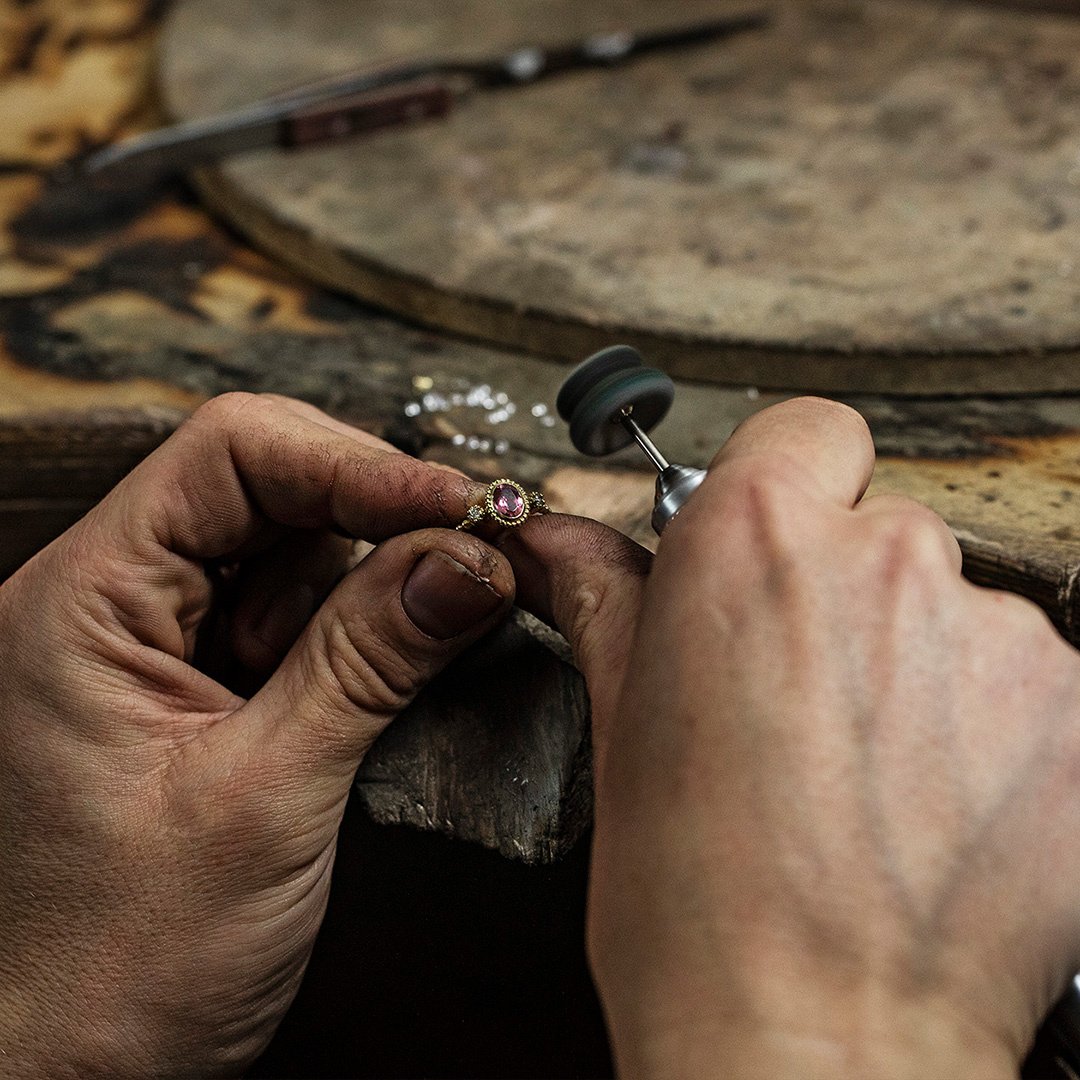
Art Nouveau had a strong influence on the Jewellery industry. More experimentation with different techniques and materials occurred. Additionally, cheaper materials such as glass, ivory, horn, and enamel were used more frequently. This led to eccentric Jewellery because there was more daring. It was also a trend to incorporate organic forms into Jewellery, just as in architecture. During the Art Nouveau period, there was a great demand for handmade craftsmanship. Jewellery was often handcrafted by artisans, making each piece unique. This resulted in more personal attention to detail, and artisanal skills contributed to the artistic value of Jewellery. Due to these characteristics, the Jewellery possesses reliable quality.
All in all, Art Nouveau Jewellery allows us to relive an era where art and craftsmanship merged into beautiful Jewellery, which to this day is seen as the symbol of organic elegance.