
Gemstone · Birthstone for November
Citrine
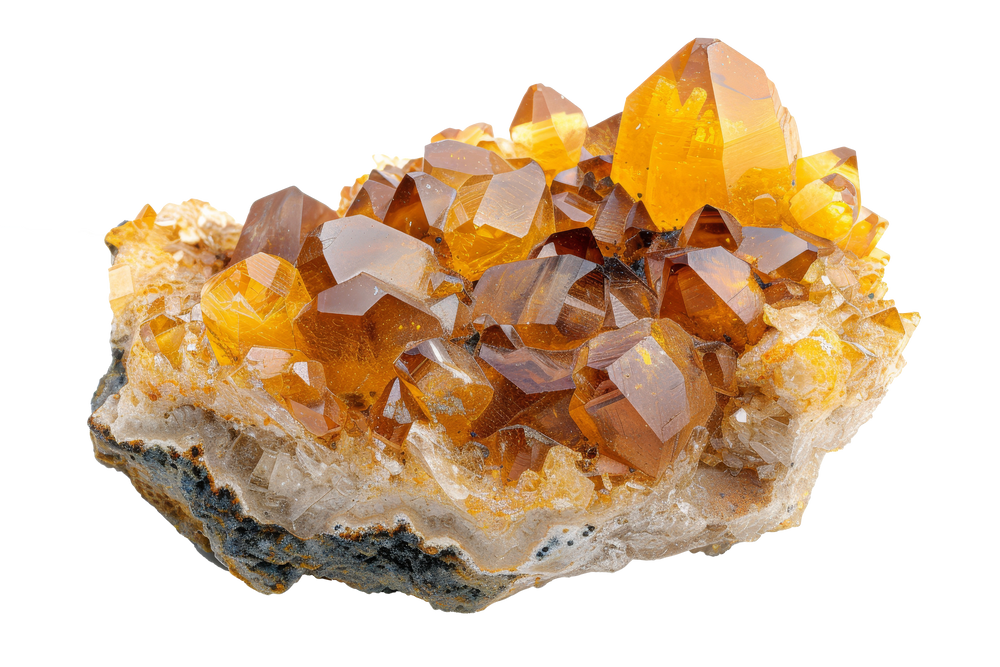
Citrine is a beautifully transparent gemstone with a deep, golden-yellow glow, a colour that makes you feel warm and cheerful. It is no wonder citrine is associated with positive energy and creativity, and perhaps that is why we love citrine jewellery so much.
- Colour
- Yellow to orange
- Hardness (Mohs)
- 7
- Birthstone
- November
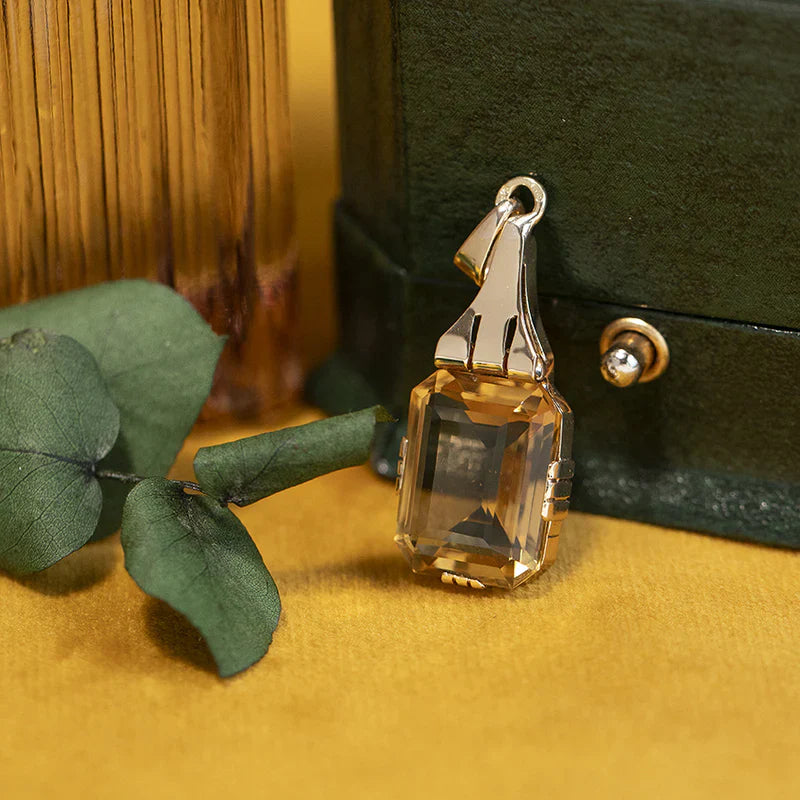
In stock: citrine jewellery
-
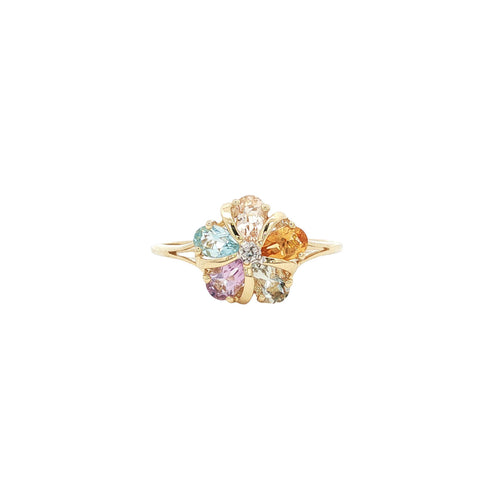 Ring with amethyst, topaz, morganite, citrine and diamond 9 kt
€460,00
-
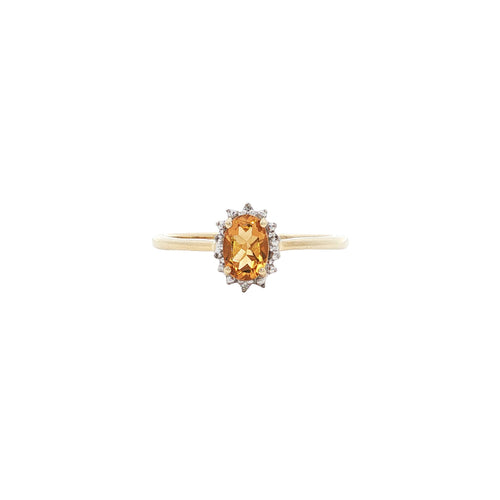 9 kt gold ring with citrine and diamond
€420,00
-
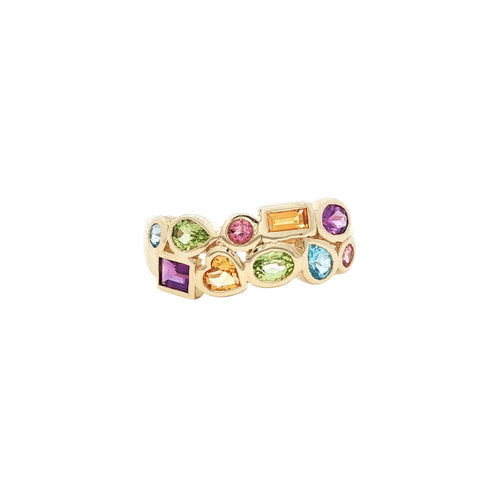 Ring with citrine, amethyst, peridot, topaz and tourmaline, 9 kt
€875,00
-
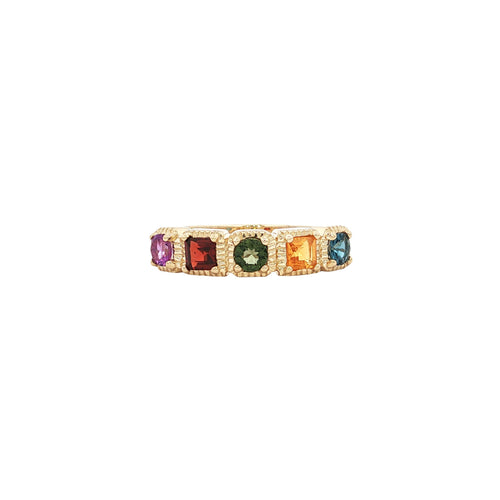 Ring with amethyst, garnet, tourmaline, citrine and topaz, 9 kt
€585,00
-
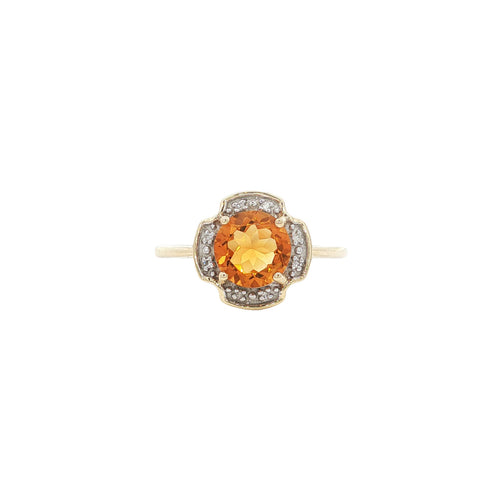 Ring with citrine and diamond, 9 kt
€480,00
-
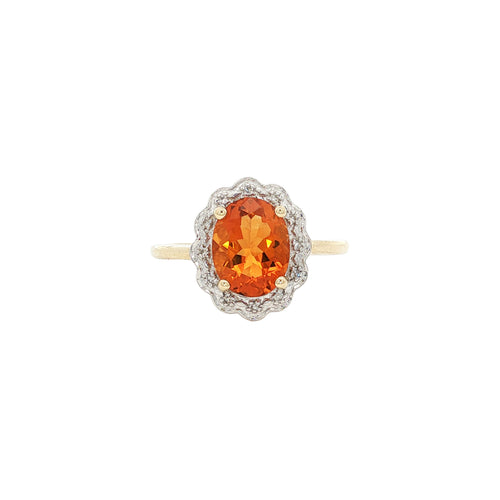 Ring with citrine and diamond 9 kt
€665,00
-
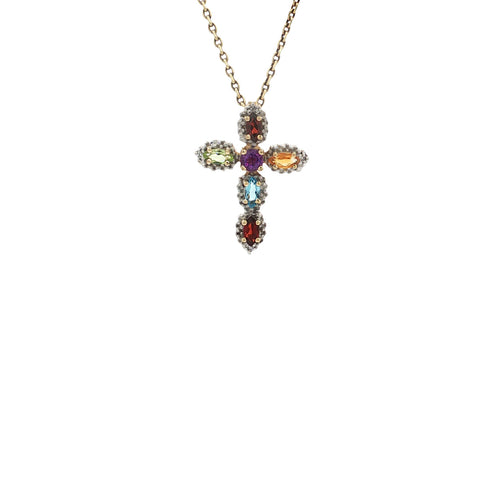 Pendant with amethyst, garnet, peridot, citrine, topaz and diamond 9 kt
€385,00
-
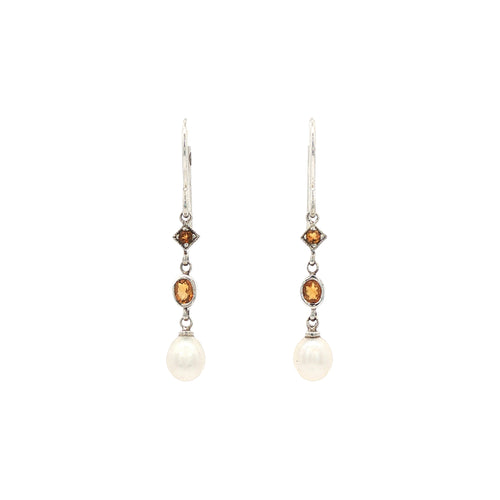 925 silver drop earrings with citrine and pearl
€120,00
Yellow as a lemon?
The colour of citrine lies in the yellow spectrum. Most citrines that are found are pale yellow, as yellow as a lemon, but the most valuable citrines are darker, an orange gold. So although the name can indeed be traced back to the lemon (Latin: citrus), citrine can range from pale yellow to brownish orange.
Citrine is found mainly in Brazil, Sri Lanka, Russia and Madagascar. The yellow colour of citrine can also be created by heating amethyst or smoky quartz: above around 200°C their purple or brown changes to a bright yellow. Because natural citrine is very rare, heated stones are often used in jewellery, sometimes under trade names such as ‘Madeira citrine’ or ‘Bahia citrine’. Citrine and amethyst can also occur together in a single stone, a combination known as ametrine, while the combination of citrine and smoky quartz is called smoky citrine.
After 1930
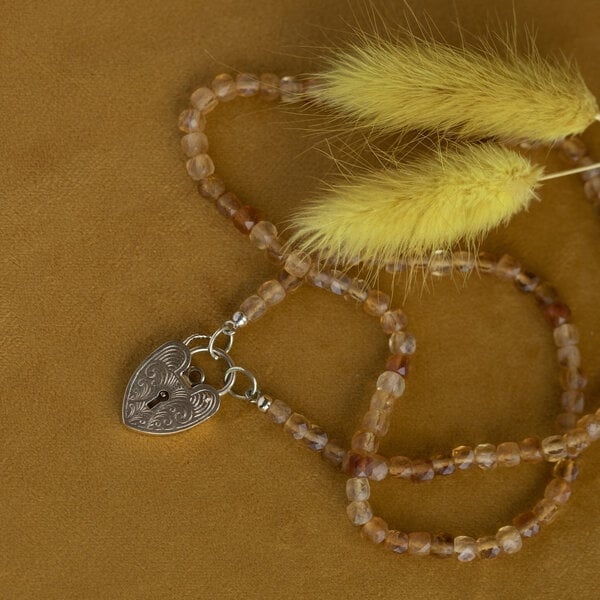
Other names for citrine include topaz quartz and pseudo-topaz. These names date from the period before 1930, when jewellers routinely called yellow gemstones ‘topaz’. Only after 1930 was gemstone research carried out more rigorously, and it was around this time that a distinction began to be made between yellow topaz and yellow quartz, or citrine.
A cheerful gemstone
In the Middle Ages citrine was sometimes recommended to lift the spirits, its bright yellow bringing cheer to the dark winter months. It was also said to bring a long and happy marriage. Reason enough to set citrine in the loveliest pendants, necklaces and earrings, and in the occasional ring, too: its warm yellow certainly never puts us in a bad mood.
In the nineteenth century, when citrine was found in Scotland, Queen Victoria fell in love with this golden gemstone and had several jewels made with citrine as the centrepiece. Prince Albert was equally enthusiastic, and citrine became part of traditional Scottish dress, where it is still worn today.
Hollywood chic
The great Hollywood stars of the 1930s were keen admirers of citrine. Think of influential women such as Greta Garbo and Joan Crawford, who both wore rings, earrings and brooches set with citrine.
Catherine, Princess of Wales, known for her refined taste, has also been seen wearing citrine rings and earrings.
Care
Citrine is fairly easy to look after. Clean it with lukewarm water and a little mild soap, using a soft brush to remove dirt. Rinse well and dry with a soft cloth. Avoid strong heat and bright sunlight.
Discover our citrine jewellery.
Frequently asked questions
How hard is citrine?
Citrine has a hardness of 7 on the Mohs scale, which makes it durable enough for jewellery you wear often, such as a ring.
Which month is citrine the birthstone for?
Citrine is a birthstone for November, together with topaz. Read more about the November birthstone.
Do I get a certificate with citrine jewellery?
Yes. Our gemmologist examines the stones before a piece goes online, and the description states which stone it is. Every piece comes with a certificate.
More gemstones