
November birthstone: topaz and citrine
If you were born in November, you have two birthstones: topaz and citrine. Both occur in warm shades of yellow and orange, and both were popular as large stones in vintage jewellery.
- Colour
- Topaz blue or golden yellow, citrine yellow to orange
- Hardness (Mohs)
- Topaz 8, citrine 7
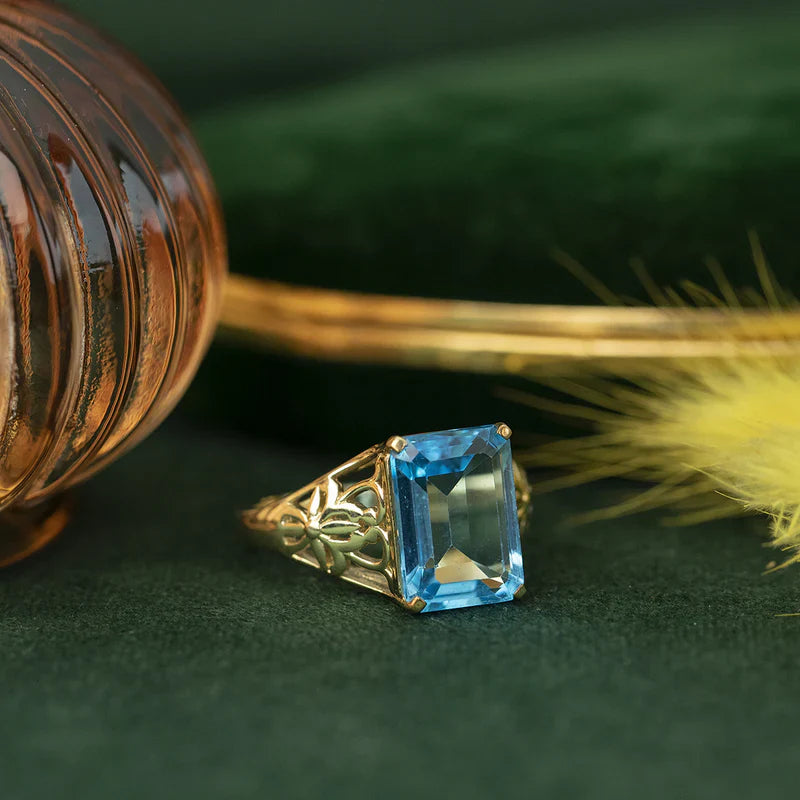
In stock now: topaz and citrine jewellery
-
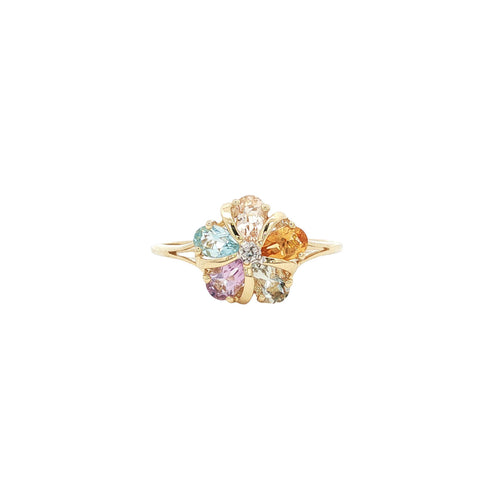 Ring with amethyst, topaz, morganite, citrine and diamond 9 kt
€460,00
-
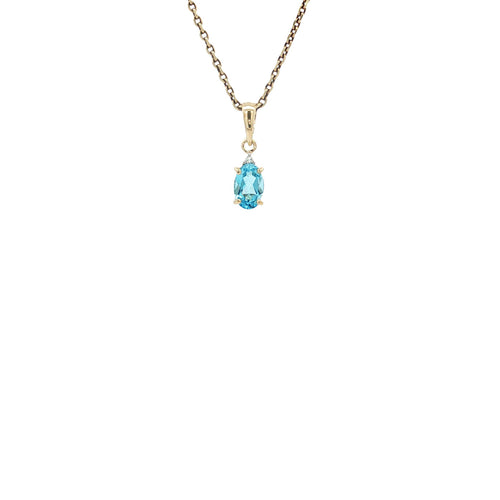 Topaz and diamond pendant, 9 kt
€195,00
-
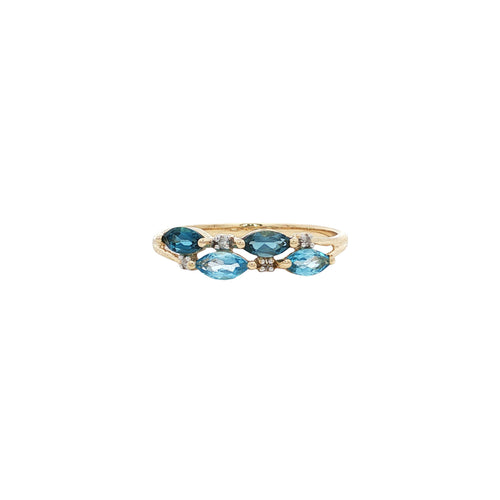 Ring with topaz and diamond, 9 kt
€435,00
-
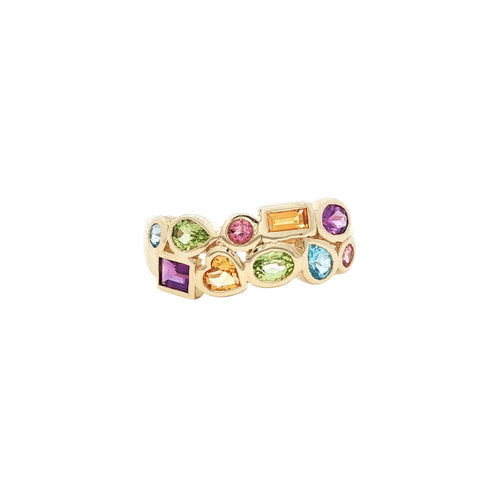 Ring with citrine, amethyst, peridot, topaz and tourmaline, 9 kt
€875,00
-
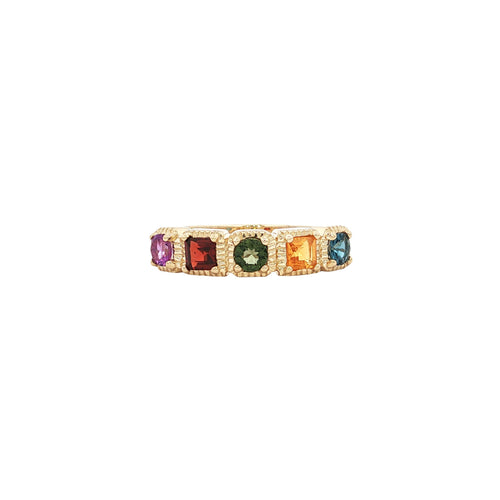 Ring with amethyst, garnet, tourmaline, citrine and topaz, 9 kt
€585,00
-
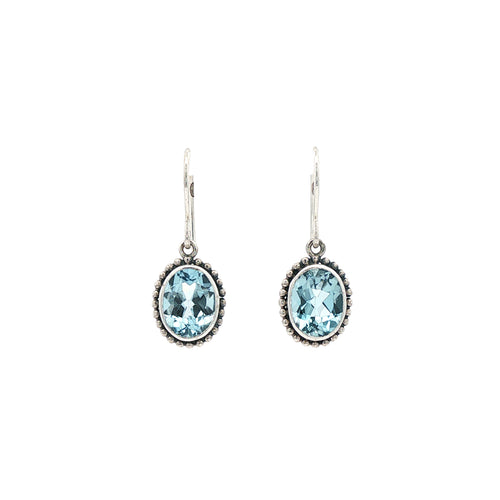 Silver drop earrings with blue topaz 925
€135,00
-
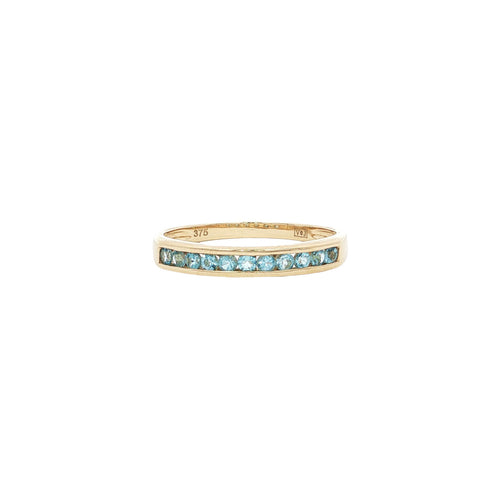 Topaz ring, 9 kt
€515,00
-
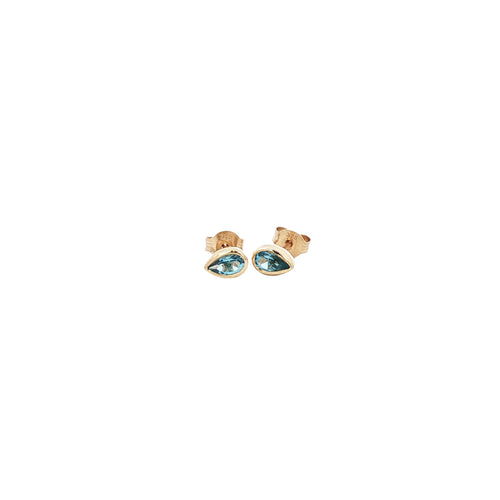 Topaz earrings 9 kt
€275,00
Topaz
Topaz occurs in golden yellow, orange, pink and blue. The rare orange-pink variety is called imperial topaz. The vivid blue you see so often today has almost always been treated; naturally blue topaz is rarely so intense. Topaz is hard, 8 on the Mohs scale, which makes it suitable for rings. In vintage jewellery you often see golden topaz set in yellow gold.
Citrine
Citrine is yellow to orange quartz. Natural citrine is rare; much of the citrine on the market is heat-treated amethyst. In the 1940s large citrines were popular in gold jewellery with bold, rounded forms. With a hardness of 7, citrine is durable enough for everyday wear.
Topaz or citrine?
To the eye, golden topaz and citrine look alike. Topaz is harder and usually a little brighter, while citrine is often warmer in tone and reasonably priced. Read more about topaz and citrine.
Frequently asked questions
Is blue topaz natural?
Most vivid blue topaz has been treated to achieve its colour. Naturally, topaz is rarely such an intense blue.
What is the difference between topaz and citrine?
They are different minerals. Topaz is harder; citrine is a quartz.
What is imperial topaz?
A rare topaz in an orange-pink colour.