
April birthstone: diamond
If you were born in April, diamond is your birthstone. It is the hardest natural substance known, which makes it a stone that lasts for generations. In vintage jewellery you often see diamonds in old cuts, with a softer, warmer sparkle than modern stones.
- Colour
- Colourless, sometimes yellow, brown or pink
- Hardness (Mohs)
- 10
- Alternative stones
- Rock crystal
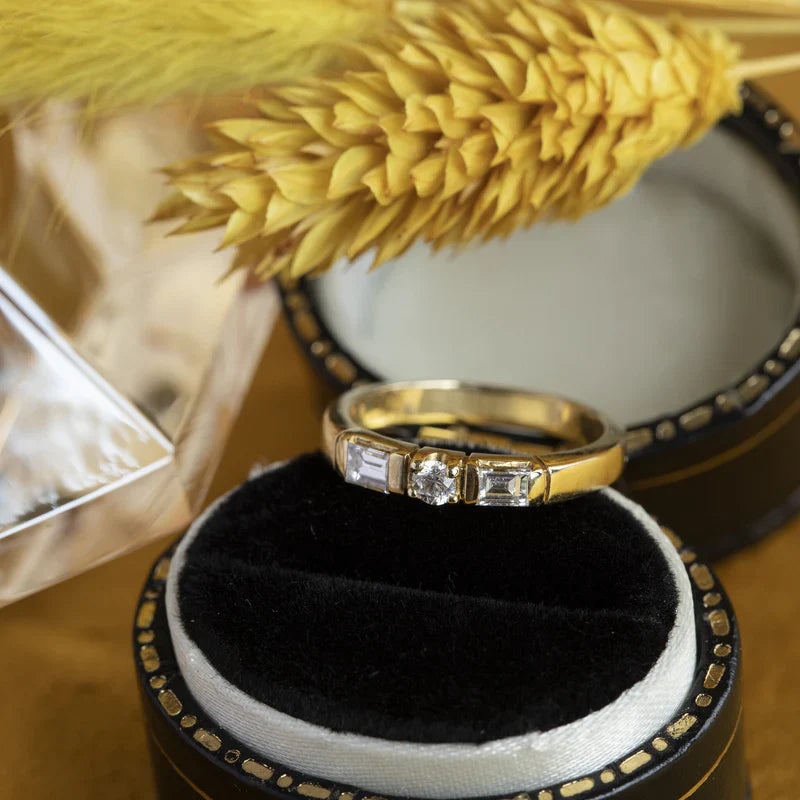
In stock now: diamond jewellery
-
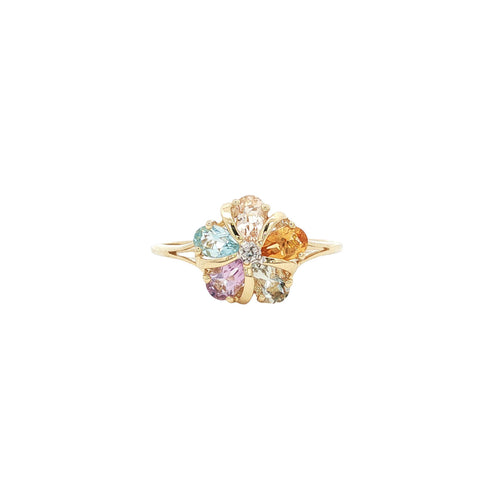 Ring with amethyst, topaz, morganite, citrine and diamond 9 kt
€460,00
-
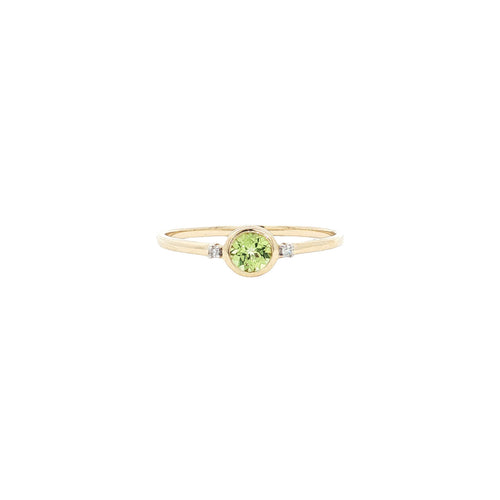 Ring with peridot and diamond, 9 kt
€295,00
-
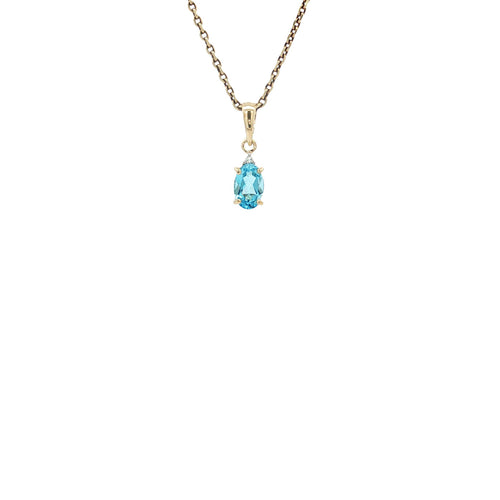 Topaz and diamond pendant, 9 kt
€195,00
-
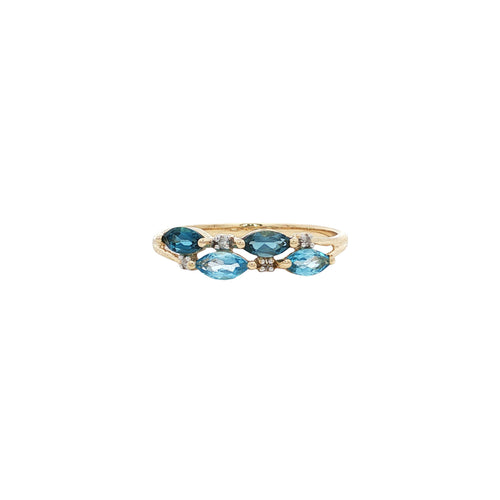 Ring with topaz and diamond, 9 kt
€435,00
-
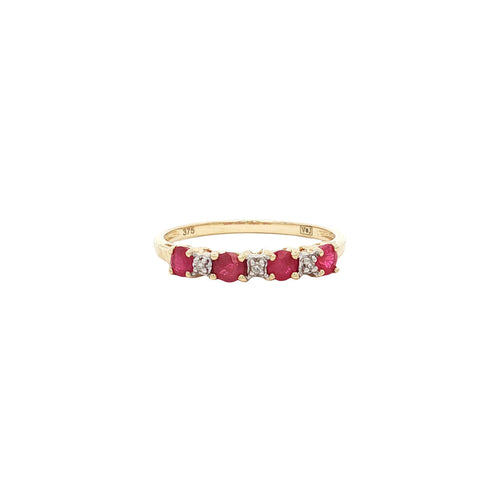 Ring with ruby and diamond, 9 kt
€460,00
-
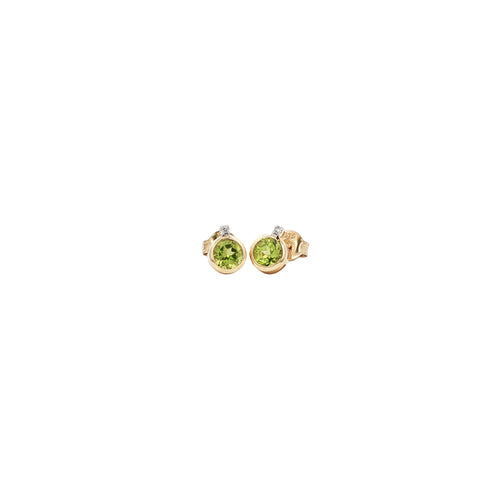 Peridot and diamond earrings, 9 kt
€275,00
-
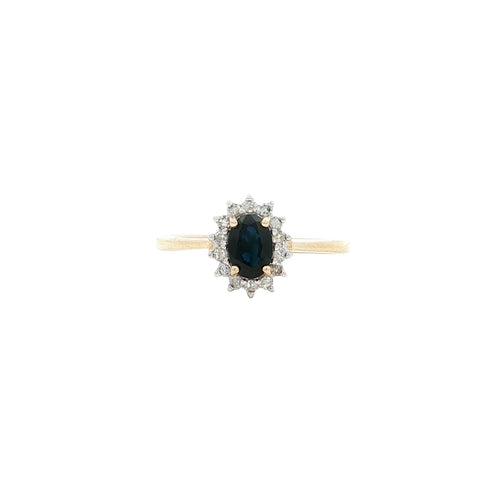 9 kt ring with sapphire and diamond
€895,00
-
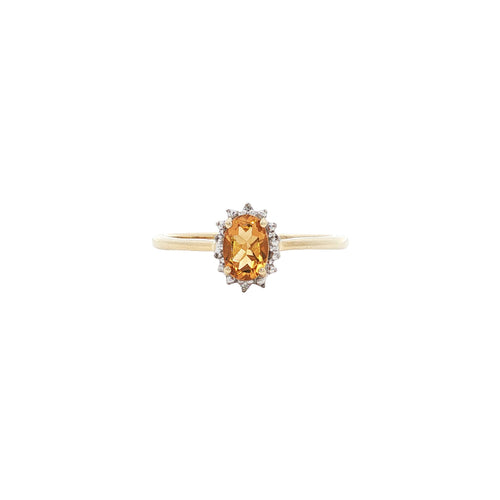 9 kt gold ring with citrine and diamond
€420,00
Old cuts
Before the modern brilliant cut became the norm, diamonds were cut differently. The rose cut has a flat base and a dome of facets. The old mine cut and the old European cut have a high crown, a small table and larger facets. They were cut by hand, so every stone is slightly different. That is exactly what makes vintage diamonds special.
What should you look for in a diamond?
The value of a diamond depends on its carat weight, colour, clarity and cut. With old stones, character also plays a part: an old European cut with a slightly warm colour can be more beautiful than a technically perfect modern stone.
Diamonds for everyday wear
With a hardness of 10 on the Mohs scale, diamond is extremely scratch-resistant. It can, however, chip if it takes a hard knock in the wrong place, so have the setting checked from time to time.
Also for April: rock crystal
Rock crystal, a clear quartz, is sometimes given as an alternative. You can read more about diamond on our diamond page.
Frequently asked questions
What is an old European cut?
An old round cut, cut by hand, with a high crown and larger facets than a modern brilliant.
What is a rose-cut diamond?
A diamond with a flat base and a dome of facets. You see them a lot in antique jewellery.
Is diamond unbreakable?
No. Diamond is extremely scratch-resistant, but it can chip if it takes a hard knock. Have the setting checked from time to time.