
December birthstone: turquoise
If you were born in December, turquoise is your birthstone. It is an opaque stone ranging from sky blue to blue-green, often with fine brown or black veining. Turquoise has been used in jewellery for thousands of years.
- Colour
- Blue to blue-green, opaque
- Hardness (Mohs)
- 5 – 6
- Alternative stones
- Tanzanite and lapis lazuli
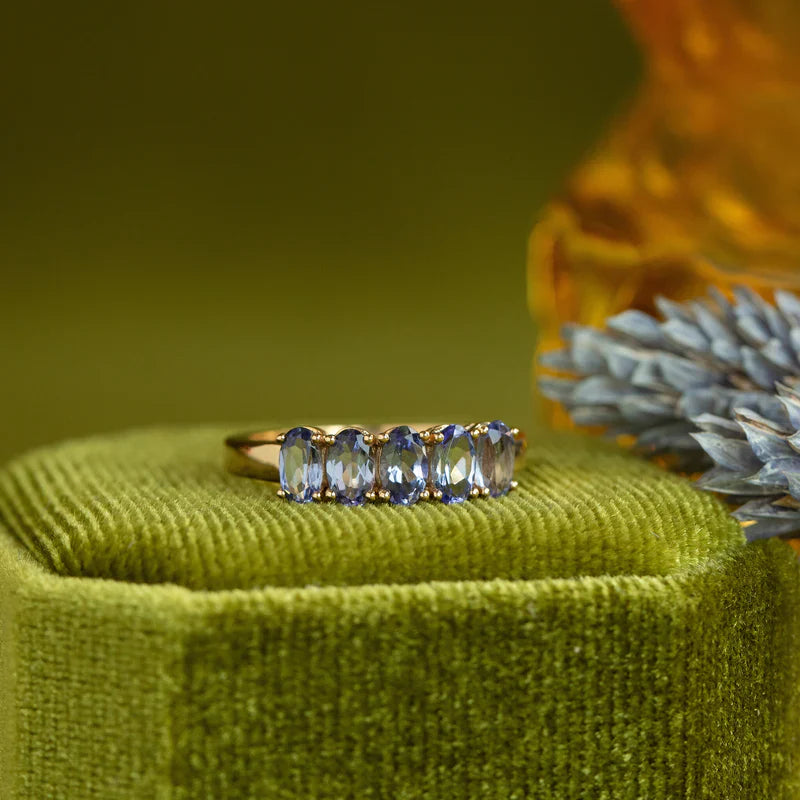
In stock now: turquoise or tanzanite jewellery
-
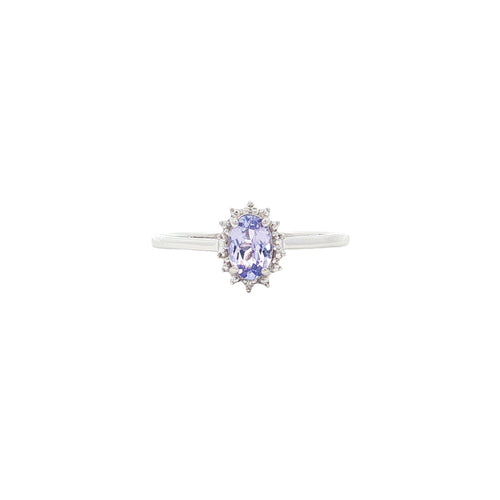 Ring with tanzanite and diamond, 9 kt
€470,00
-
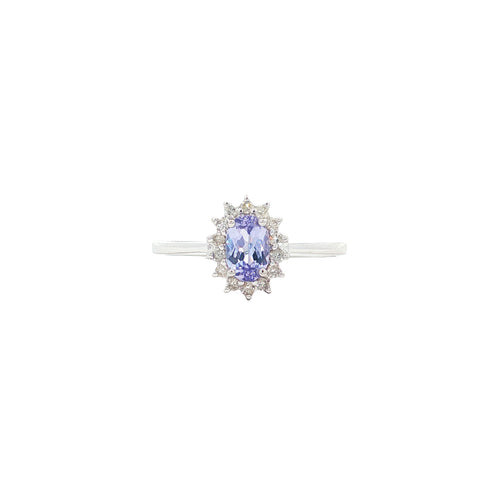 Ring with tanzanite and diamond, 9 kt
€810,00
-
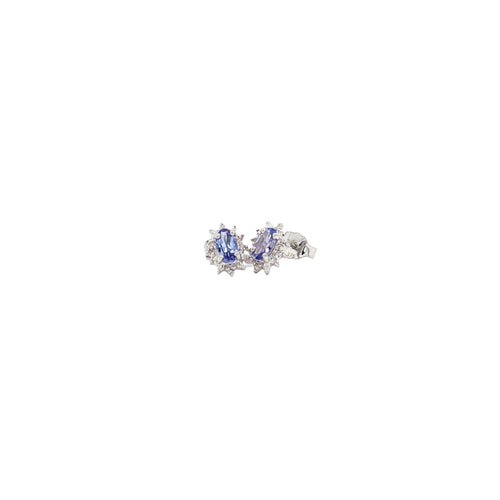 Earrings with tanzanite and diamond, 9 kt
€340,00
-
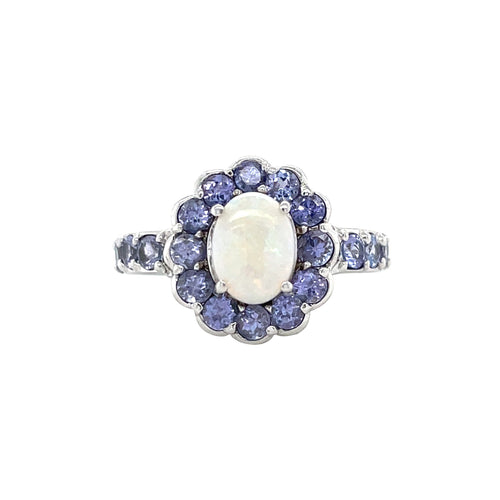 Vintage cluster ring with opal and tanzanite, 10 kt
€850,00
-
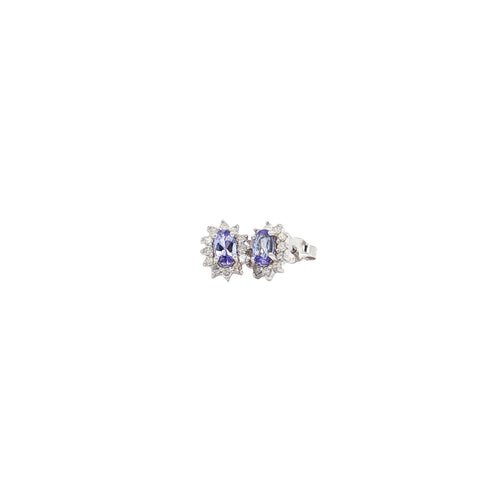 9 kt earrings with tanzanite and diamond
€885,00
Turquoise in vintage jewellery
In the Victorian era turquoise was widely used in small, round cabochons, for example in flower motifs such as forget-me-nots. You often see the stones together with seed pearls in yellow gold. Later, turquoise returned in larger, bolder designs.
Caring for turquoise
Turquoise is soft and porous, with a hardness of 5 to 6. The stone can change colour through contact with skin oils, perfume, cream and water. So put turquoise on last, wipe it with a dry, soft cloth after wearing and keep it out of the cleaning bath.
Also for December: tanzanite and lapis lazuli
Tanzanite is a violet-blue stone found only in Tanzania and not discovered until 1967, so you will not come across it in truly antique jewellery. Lapis lazuli is deep blue with golden flecks and was already used in antiquity. Read more about turquoise and tanzanite.
Frequently asked questions
Can turquoise change colour?
Yes. Skin oils, perfume and water can turn turquoise greener. Put it on last and wipe it after wearing.
Can turquoise get wet?
Preferably not. Take turquoise jewellery off when showering, swimming and washing up.
Is tanzanite also a December birthstone?
Yes, tanzanite is also mentioned. It is a violet-blue stone from Tanzania, discovered in 1967.